Q: Is my roof a good fit for solar?
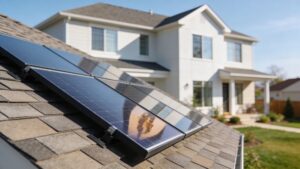
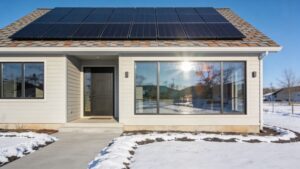
A: Installers look at roof angle, direction, shade, and age to help you decide if it makes sense.
Q: How much does a home solar system cost?
A: Costs vary by size, equipment, and region. Incentives, rebates, and tax credits can reduce the final price.
Q: What happens on cloudy days or at night?
A: Solar output drops, but you still draw power from the grid or a battery, so your lights stay on.
Q: How much maintenance is required?
A: Most systems just need occasional visual checks and, in some areas, light cleaning of panels.
Q: Will solar work during a power outage?
A: Standard grid-tied systems shut off for safety; battery-backed systems can provide backup power.
Q: How long do panels and inverters last?
A: Panels often last 25+ years; inverters typically have shorter warranties and may need replacement once.
Q: Can I start small and expand later?
A: Sometimes. Expansion depends on your roof layout, electrical panel, and inverter design.
Q: Do I need to replace my roof first?
A: If your roof is near end-of-life, it’s usually best to address that before adding panels.
Q: How do I choose a good installer?
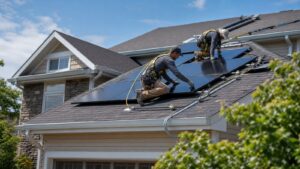
A: Compare multiple quotes, check reviews, ask about licenses, warranties, and how long they’ve been in business.
Q: Where should I start on Solar Power Streets?
A: Begin with Sunlight Basics, then explore costs, equipment choices, and real-world tips in the other sections.