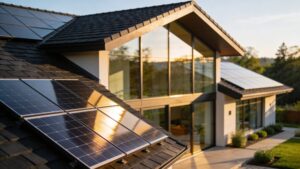
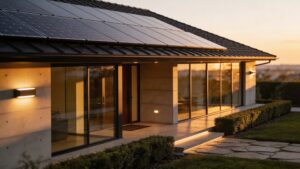
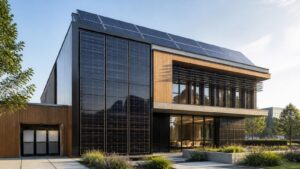
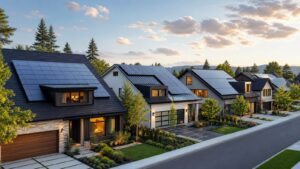
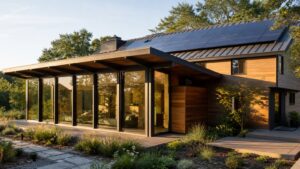
Architectural Installations on Solar Power Streets is where clean energy meets bold design. Here, panels aren’t just hardware on a roof—they become canopies over walkways, shimmering façades, sculpted carports, sun-tracking pergolas, and artful shade structures that make buildings feel alive. This hub gathers stories, guides, and spotlights on projects that treat sunlight like an architectural material: integrated glass, textured modules, concealed wiring, refined mounting, and night lighting that celebrates the geometry. You’ll explore how architects, engineers, and installers collaborate to balance aesthetics, wind loads, drainage, fire codes, glare control, and long-term performance—without sacrificing curb appeal. From museum courtyards to school campuses, from net-zero offices to backyard studios, these installations prove sustainability can be the headline feature, not the hidden upgrade. Expect deep dives into mounting systems, BIPV materials, battery-ready conduits, smart inverters, and fine detailing—edges, trims, junction boxes—so every watt looks intentional from street level, season after season. Browse case studies, design rules-of-thumb, permitting notes, and maintenance realities—then take inspiration to plan your own solar-forward statement piece, from concept sketch to commissioning day, with confidence.
A: Anything where PV is integral to form—façades, canopies, pergolas, railings, or BIPV surfaces.
A: They shouldn’t—details like seals, flashing, and drainage channels are the difference.
A: Often for design goals—BIPV can replace cladding/glass, but may cost more per watt.
A: Use smart angles, anti-reflective surfaces, and do a glare study for sensitive sites.
A: Yes—plan chases, raceways, and equipment rooms from day one.
A: Treating PV as an add-on instead of coordinating structure, waterproofing, and electrical routing.
A: Include safe access, cleaning strategy, monitoring, and replaceable components.
A: Definitely—design the canopy electrical room and conduit for chargers and future expansion.
A: Align module grids with façade lines and use consistent trims, edges, and concealed fasteners.
A: If possible—reserve wall space, conduit routes, and panel capacity even if storage is later.