
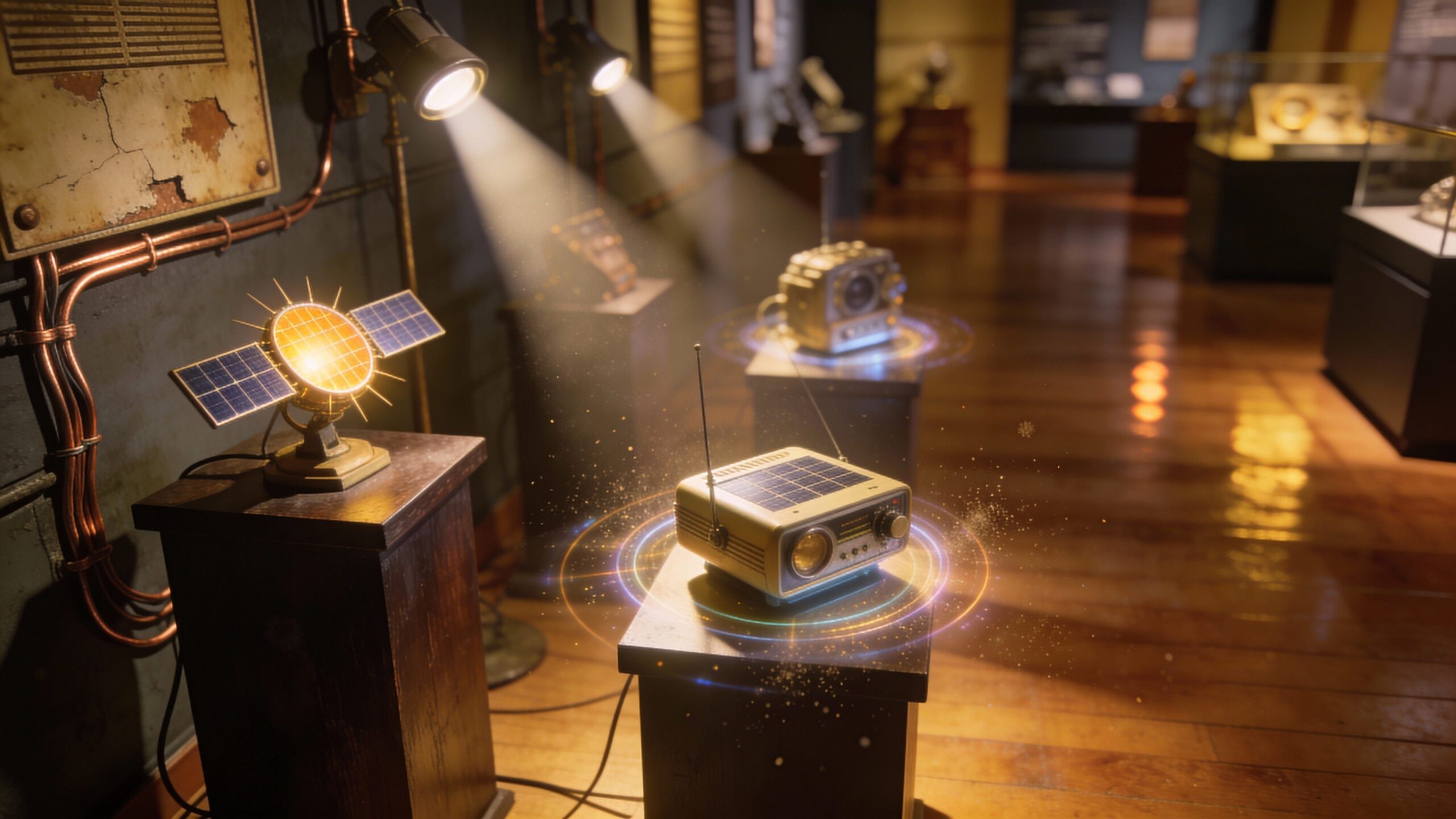
Solar power isn’t just a rooftop upgrade—it’s a storytelling engine. From glossy sci-fi skylines to dusty road-trip survival tales, sunlight shows up as a symbol of hope, independence, and smart engineering. “Solar in Film & Pop Culture” explores the moments when solar steals the scene: background props that hint at off-grid futures, set designs that quietly teach how panels, batteries, and microgrids work, and the myths that movies and ads keep recycling. Explore solar aesthetics in posters, music videos, animation, comics, and games, plus behind-the-scenes notes on how crews light, frame, and “future-proof” solar tech on camera. Whether you’re hunting accurate details for a script, spotting energy symbolism in your favorite scenes, or just chasing that bright solarpunk vibe, these articles turn pop culture into a solar-powered guidebook. We’ll call out common misconceptions—like “panels work at night,” magic one-panel charging, or instant battery refills—and replace them with quick, practical context. Expect spotlights on iconic solar gadgets, trend timelines, and Easter eggs that nod to real-world breakthroughs, policy shifts, and everyday rooftop life around the world.
A: It’s visual shorthand—realistically, you’d need more panel area and storage.
A: Yes, but output drops—soft, gray scenes should imply slower charging and tighter energy budgets.
A: Only with stored energy (batteries or other storage) or a backup source.
A: Panel + controller + battery + a few small loads (lights, radio, device charging).
A: Lighting and angles exaggerate reflections; real installs try to manage glare and hotspots.
A: Add one line about conserving power, charging windows, or checking stored energy.
A: No cable protection, impossible connector types, or panels placed where they’re fully shaded.
A: Show a battery and a simple load—then cut to the panel in sunlight.
A: Panels don’t emit light; use reflections, lens flare, and sun beams instead.
A: Tie output to day/night and weather, and make storage upgrades the progression path.