
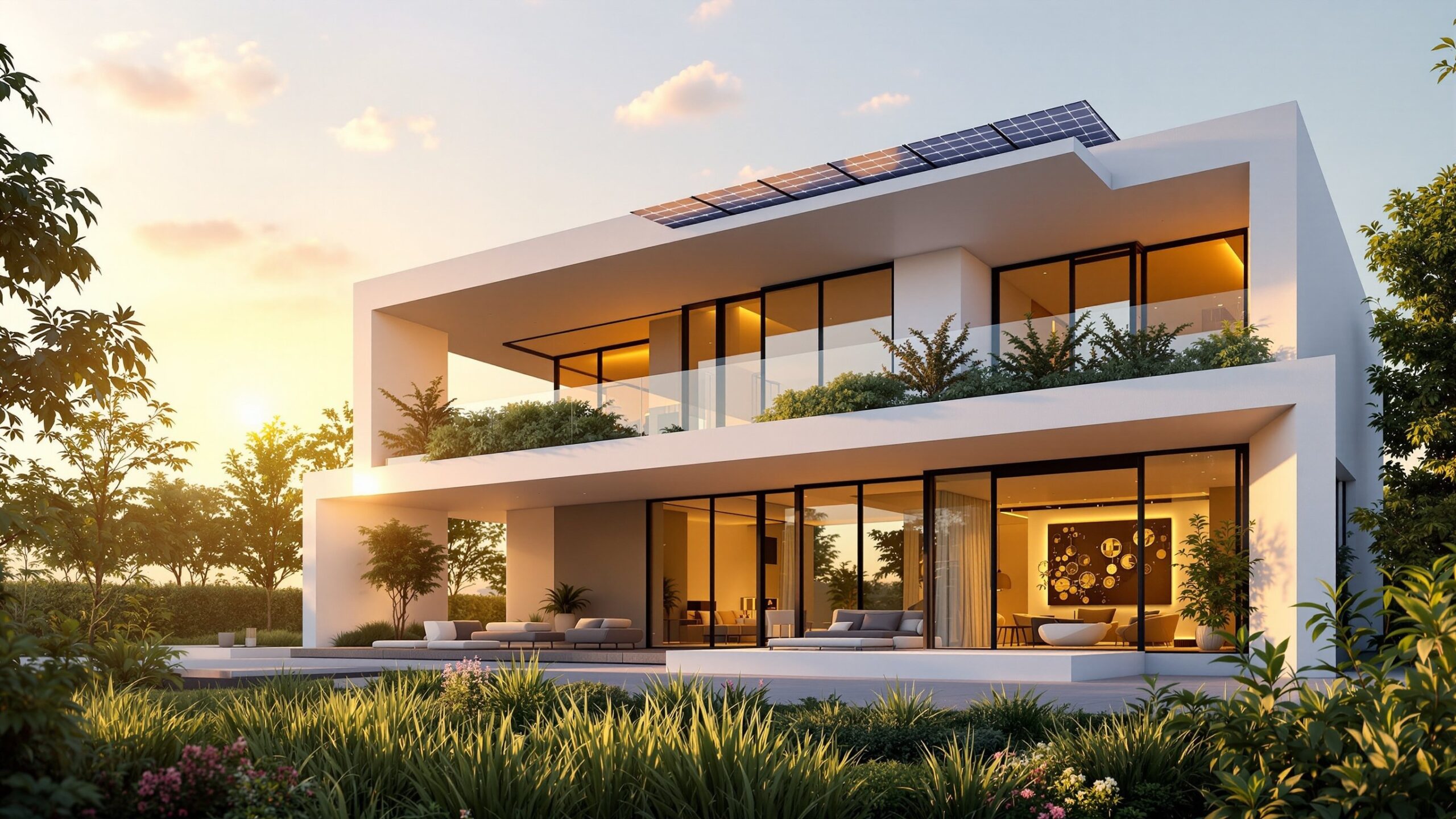
Welcome to the Solar Homes Showcase — where architecture meets innovation and the power of the sun transforms the way we live. This is your front-row seat to the world’s most inspiring solar-powered homes — from sleek urban dwellings with integrated rooftop panels to off-grid retreats that thrive entirely on renewable energy. Each story highlights a home that blends sustainability, design, and smart technology into a seamless, luminous lifestyle. Discover breakthroughs in energy efficiency, explore creative uses of solar architecture, and meet the homeowners, designers, and engineers shaping a cleaner, smarter future. Whether you’re dreaming of your own solar-powered oasis or just love seeing what’s possible when sunlight becomes the ultimate building material, our Solar Homes Showcase will leave you energized, informed, and inspired. These homes don’t just use the sun — they celebrate it, turning everyday living into a radiant expression of possibility.
A: Start from last 12 months’ kWh, then size for desired offset (often 60–100%) and roof limits.
A: Not required. They add backup and can help with TOU rates, but increase cost/complexity.
A: Usually not ideal. East/west often beats north; consider ground mount if needed.
A: Yes—shorter days mean less output, but clear, cold days can see high instantaneous power.
A: Many areas offer rebates/tax credits (e.g., federal ITC in the U.S.); check local programs.
A: 25–30-year performance warranties are common; inverters typically 10–25 years.
A: Proper, code-listed attachments are waterproofed; reputable installers warranty roof penetrations.
A: Often yes—leave roof/ampacity headroom and choose scalable inverter/monitoring.
A: Grid-tied PV shuts off unless paired with battery/backup; consider a critical loads panel.
A: Look at annual kWh, warranty terms, equipment brands, layout, and total lifetime cost per kWh.