
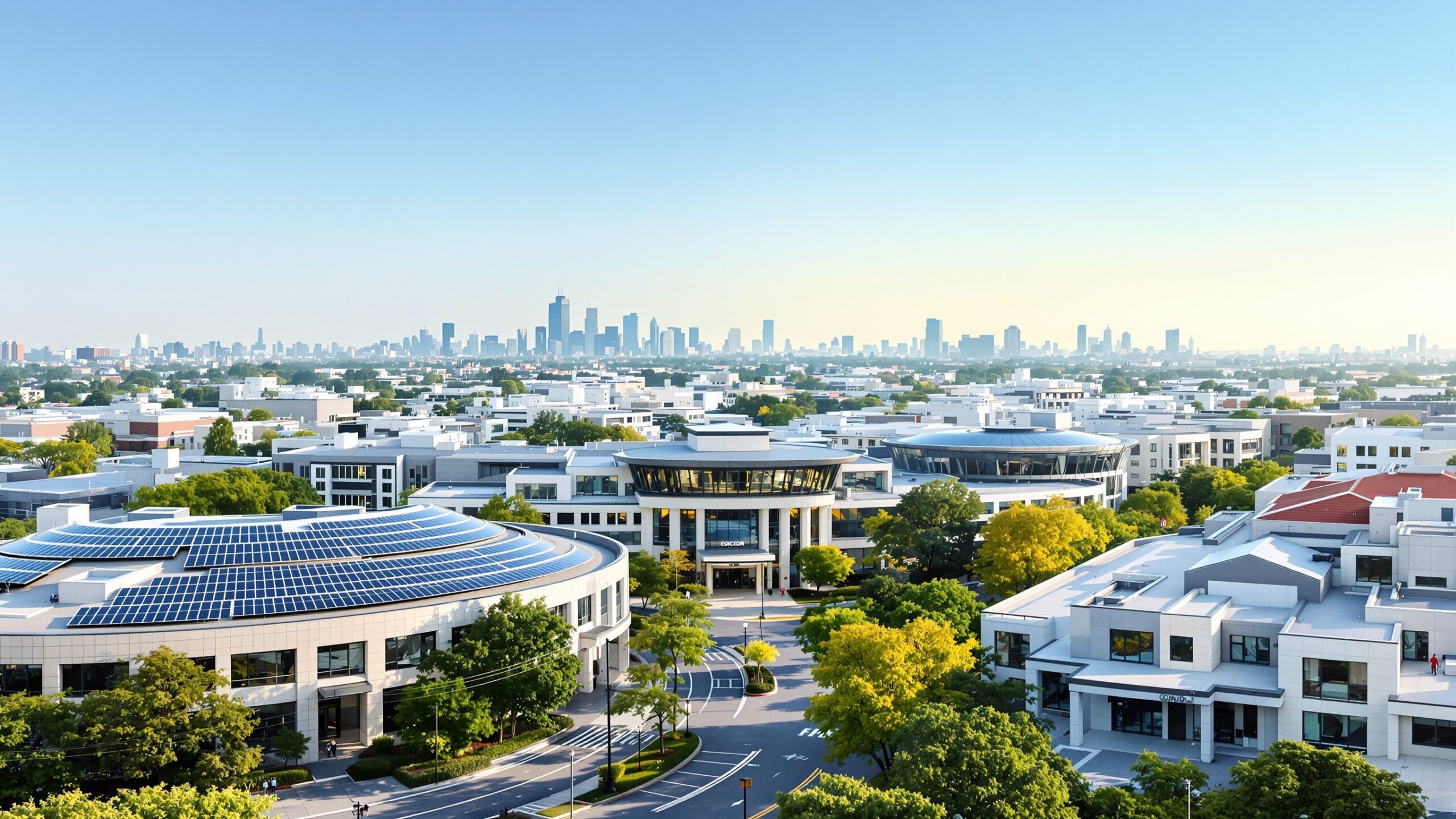
Public and government solar projects are where clean energy meets everyday life—powering schools, city buildings, transit systems, and community services with sunlight instead of fuel. These initiatives don’t just install panels; they build long-term stability into budgets, reduce emissions at scale, and keep essential facilities running when the grid gets stressed. From courthouse rooftops to utility-scale sites that serve entire regions, public-sector solar is becoming a visible, practical upgrade to how communities are powered. In this Solar Power Streets hub, you’ll explore the projects that shape neighborhoods and national strategy alike: municipal solar programs, state-led clean energy rollouts, federal land developments, public-private partnerships, and resilience-focused microgrids for emergency response. We’ll break down how agencies plan projects, secure funding, evaluate sites, navigate permitting, and choose contractors—without drowning you in jargon. Whether it’s a solar canopy at a park-and-ride, a school district cutting energy costs, or a government campus aiming for net-zero, these stories show how solar becomes public infrastructure. Big mission, real impact—and lots of bright ideas.
A: No—many use PPAs or partnerships to avoid upfront costs.
A: Schools, parking lots, municipal buildings, and open land near facilities.
A: Not always, but it’s great for resilience and peak savings.
A: Rooftops can be faster; larger sites depend on permitting and interconnection.
A: Yes—especially when paired with batteries and critical-load planning.
A: Lower long-term costs while meeting clean energy targets.
A: Often yes—especially for land use, visibility, and community benefits.
A: Yes—through community solar and shared programs.
A: Clear specs, realistic timelines, and strong contractor oversight.
A: Solar carports or rooftops on high-use public buildings.