
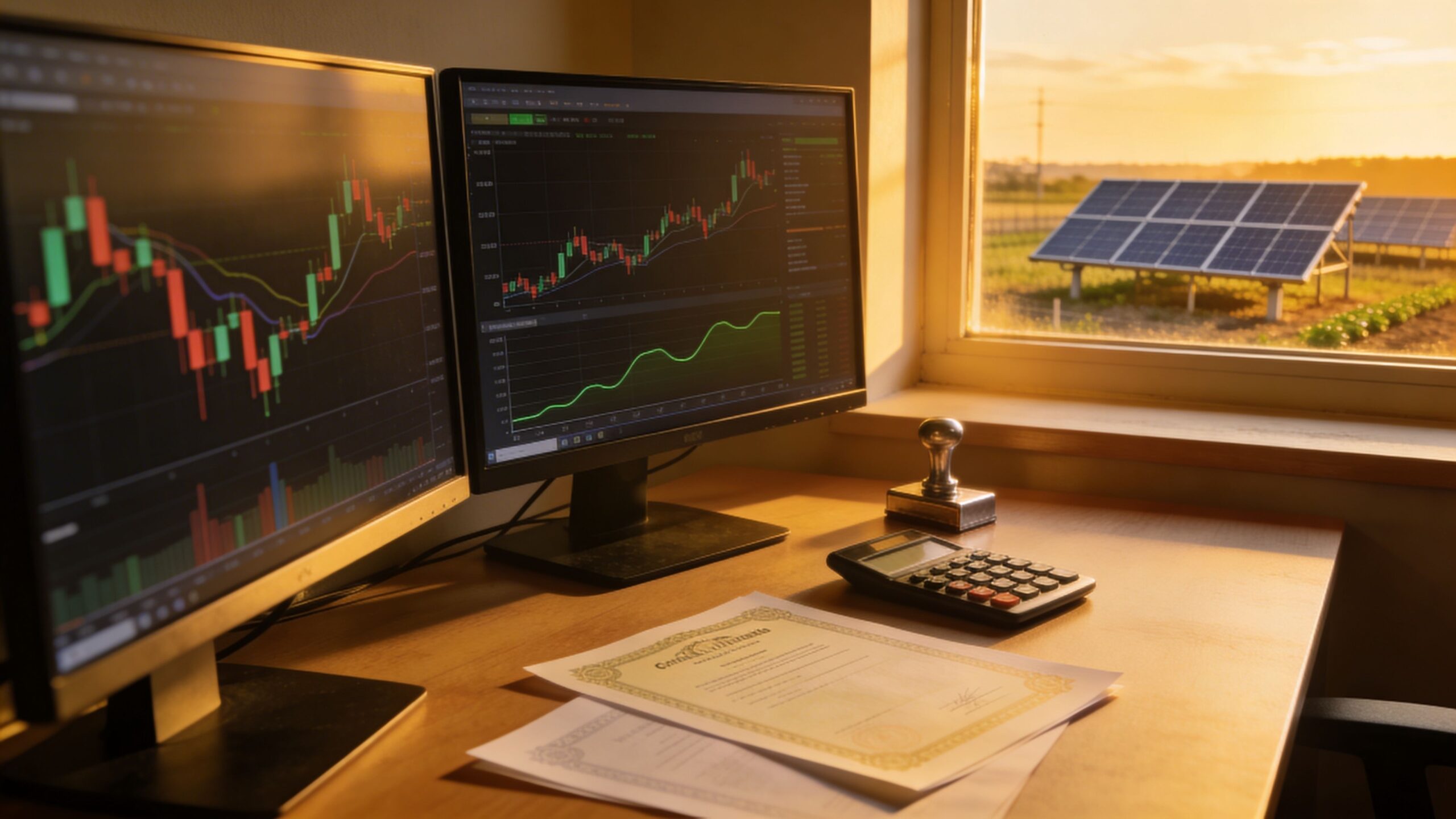
Carbon markets turn climate goals into measurable action—and solar can be a powerful part of that story. Carbon credits and trading systems put a price on emissions, rewarding projects that reduce or avoid pollution while pushing high-carbon operations to clean up faster. On Solar Power Streets, this category breaks down how credits are created, verified, bought, sold, and sometimes debated. You’ll explore the difference between compliance markets and voluntary markets, how registries and methodologies define what “counts,” and why additionality, permanence, and leakage matter when real money is on the line. We’ll also connect the dots between clean power and trading dynamics: how renewable buildouts can influence corporate climate claims, how grid emissions factors shape impact calculations, and how policy changes can swing market confidence overnight. Expect clear explanations of trading mechanics, pricing signals, integrity safeguards, and the risks of greenwashing—plus the opportunities for solar developers and buyers who want real, durable outcomes. If you want the market lens on decarbonization, start here.
A: Credits come from projects; allowances are permits issued under a cap-and-trade program.
A: It’s permanently taken out of circulation so it can’t be sold or claimed again.
A: Quality, verification rigor, market rules, demand, and liquidity all influence price.
A: Proof the project wouldn’t happen without carbon revenue or policy support.
A: Sometimes, depending on the program rules and whether reductions are considered additional.
A: Over-crediting from weak baselines or unverifiable monitoring data.
A: Best practice is to reduce first; credits can address remaining, harder-to-eliminate emissions.
A: Use transparent credits, retire them properly, and align claims with credible reporting rules.
A: The same reduction is claimed by more than one party or program.
A: Rising scrutiny on quality, tighter standards, and stronger documentation requirements.