
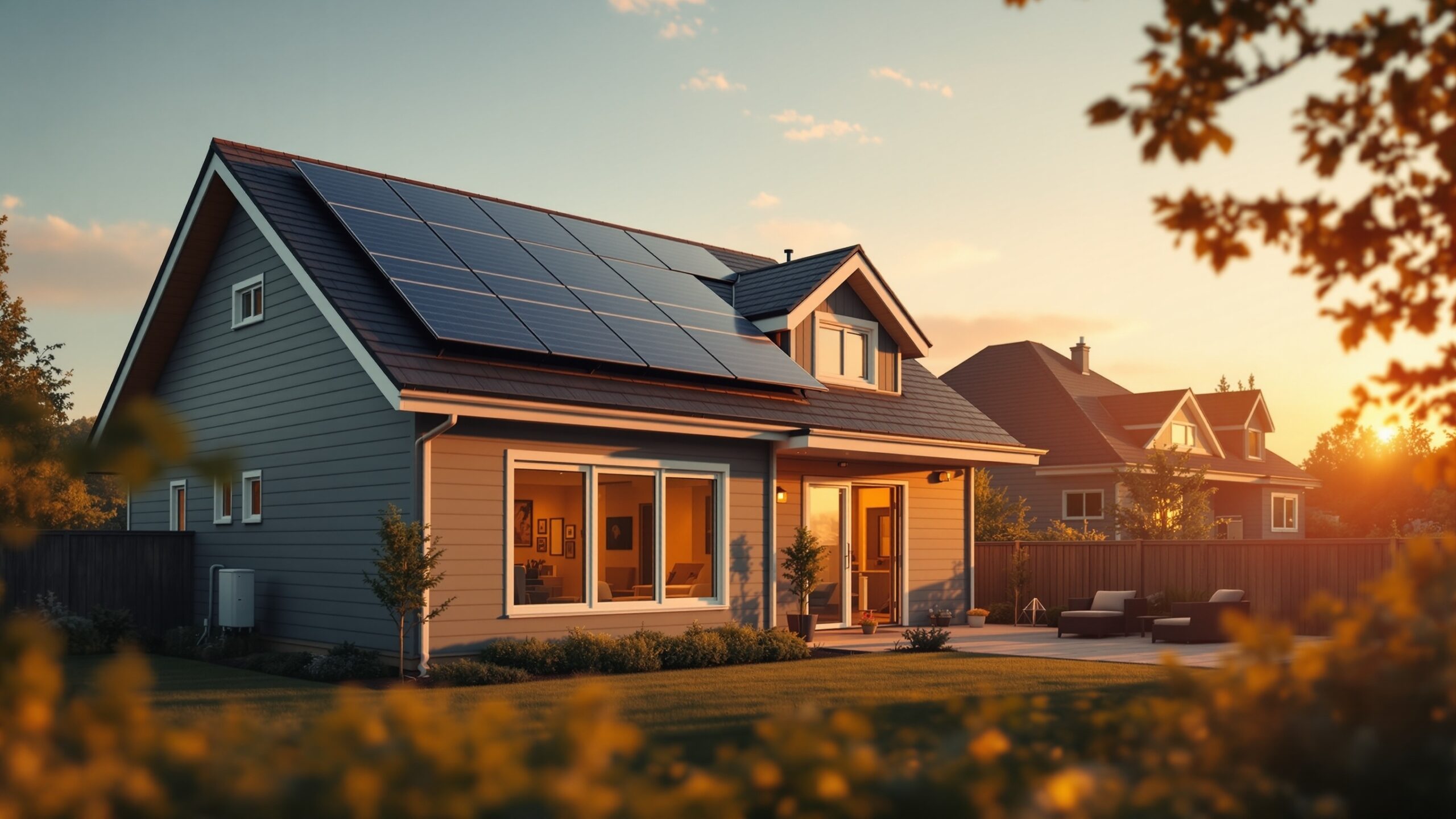
Real solar isn’t a brochure—it’s a roofline, a breaker panel, a family schedule, and a monthly bill you’re tired of negotiating with. Welcome to Homeowner Case Studies, where Solar Power Streets follows the full journey from “Should we?” to “Why didn’t we do this sooner?” Explore true-to-life installs across neighborhoods, home styles, and budgets—tiny bungalows, suburban two-stories, rural workshops, and everything between. Each story breaks down what worked, what surprised them, and what they’d change if they could rewind to day one. You’ll see how shading, roof angles, utility rates, and lifestyle choices shape system sizing, battery decisions, and real payback timelines. Expect clear numbers, candid lessons, and practical takeaways you can apply to your own plan. Whether you’re aiming to crush peak rates, add backup power, or simply turn sunlight into long-term freedom, these case studies turn solar from theory into a blueprint—built by homeowners just like you, one bright decision at a time.
A: Similar annual kWh use, roof shade, rate plan, and goals (savings vs. backup).
A: Not always—batteries shine when outages or time-of-use peaks are major concerns.
A: Start with yearly kWh usage, then consider roof constraints and export credit rules.
A: Timelines—permitting and utility steps often take longer than the physical install.
A: Often yes, but plan ahead for panel space, inverter capacity, and electrical limits.
A: Only if designed for it—battery or dedicated backup equipment is typically required.
A: Monthly production, consumption, utility true-up, and any unexplained dips in output.
A: If the roof is near end-of-life, replacing it first can prevent costly removals later.
A: Compare system size, estimated production, equipment type, warranty terms, and assumptions.
A: Gather 12 months of bills and note big loads (AC, EV, pool) plus shading photos.