Q: What’s the most common panel type today?
A: Monocrystalline is the most common for new residential installs.
Q: Are polycrystalline panels “bad”?
A: Not bad—just usually less efficient and less common in new projects.
Q: When does thin-film make sense?
A: When weight, flexibility, or unique mounting matters more than compact size.
Q: Do bifacial panels always produce more?
A: They can, but gains depend on spacing, height, and reflective surfaces.
Q: Should I choose all-black panels?
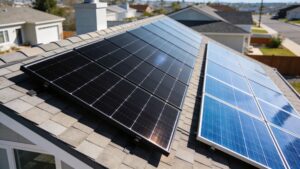
A: If aesthetics matter—just compare performance and heat behavior too.
Q: What should I compare besides watts?
A: Efficiency, temperature coefficient, warranty terms, and durability ratings.
Q: How long do panels last?
A: Many are designed for decades, with slow performance decline over time.
Q: What’s “degradation”?
A: The gradual drop in output over years—normal for all panel types.
Q: Does panel material change maintenance?
A: Maintenance is similar, but soiling and local weather drive cleaning needs.
Q: Can I mix different panel types?
A: It’s possible, but it can reduce performance—best to keep arrays consistent.