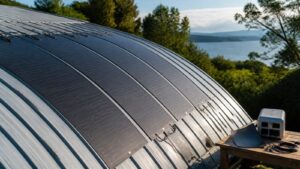
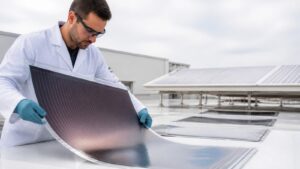
Q: What’s the biggest benefit of thin-film?
A: Lightweight coverage and flexibility for large or specialty surfaces.
Q: Do thin-film panels work in low light?
A: Many perform well, but it depends on the specific product.
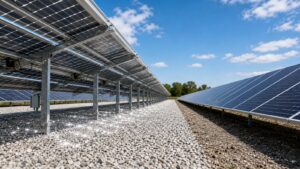
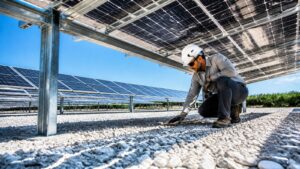
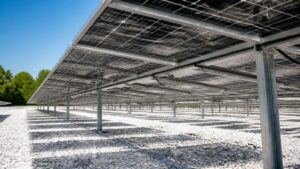
Q: What makes bifacial “worth it”?
A: Bright ground, good spacing, and design that exposes the rear side to light.
Q: Do bifacial panels always add more power?
A: Not always—gains can be small if reflectivity and geometry aren’t favorable.
Q: Can bifacial go on rooftops?
A: Yes, especially on flat roofs with elevated racks and reflective surfaces.
Q: What is albedo?
A: A measure of how reflective a surface is—higher albedo can boost bifacial output.
Q: Do bifacial panels need more cleaning?
A: Often yes—because dust and grime underneath can reduce rear-side gains.
Q: Is thin-film less durable?
A: Not necessarily—durability depends on construction and installation method.
Q: How do I compare costs fairly?
A: Compare total installed cost and modeled annual production, not just module price.
Q: What’s the safest way to choose?
A: Use site modeling, review warranties, and consider a small pilot for new tech.