The New Shape of Solar Power
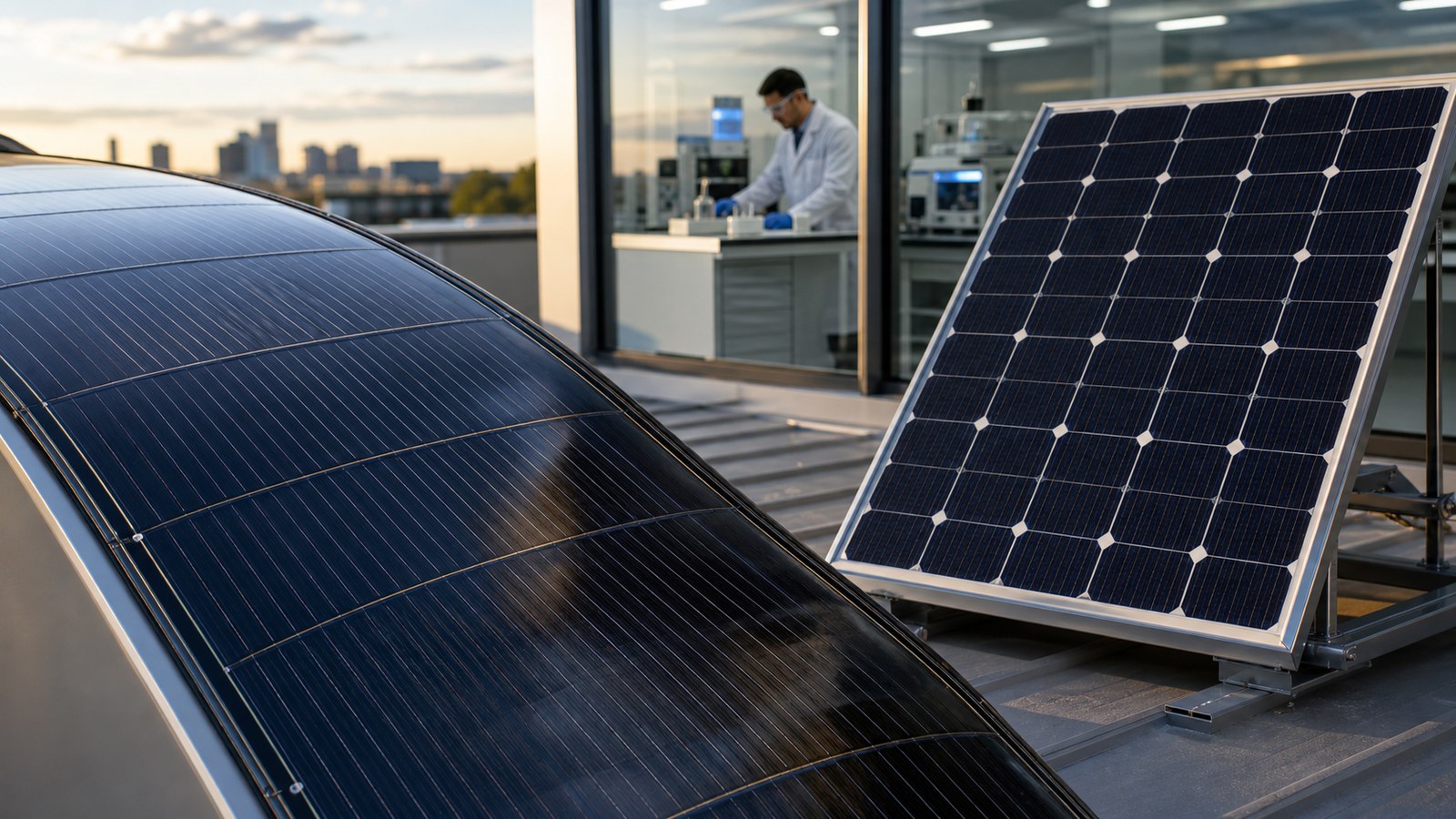
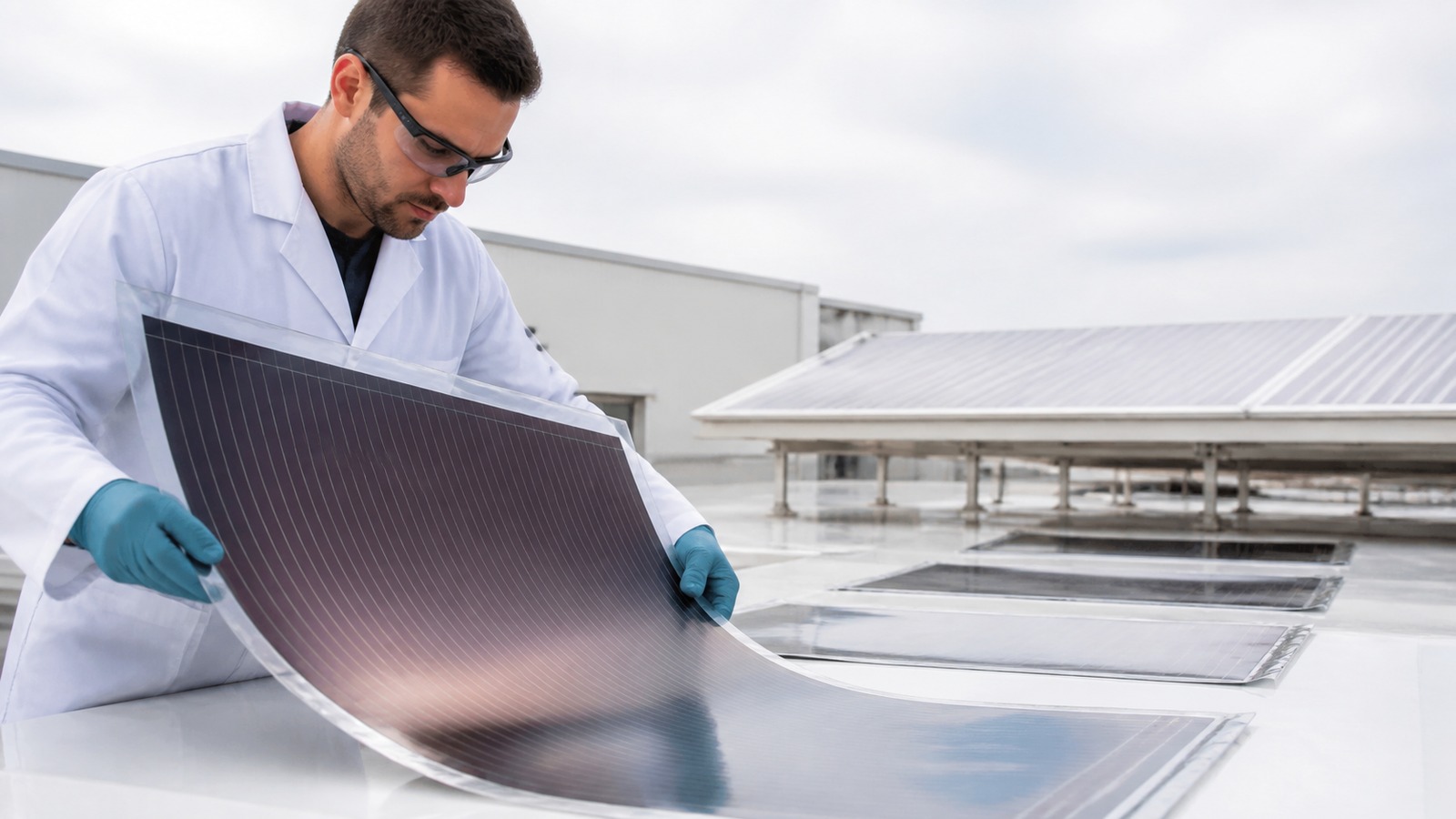
Thin-film solar panels are changing the way people think about solar energy. For years, the image of solar power was dominated by rigid, glass-covered panels mounted on rooftops or spread across open fields. Those traditional panels still lead much of the market, but thin-film solar technology offers something different: flexibility, light weight, subtle design, and the ability to fit places where conventional solar panels may not work well. Instead of thick crystalline silicon wafers, thin-film panels use extremely thin layers of photovoltaic material deposited onto a surface such as glass, metal, or flexible plastic. This allows them to be lighter, sometimes bendable, and often easier to integrate into unusual spaces. That makes thin-film solar especially exciting for commercial buildings, portable power systems, vehicles, curved surfaces, and building-integrated solar design. Thin-film solar panels are not perfect. They often produce less power per square foot than high-efficiency monocrystalline panels. They may require more surface area to generate the same output, and some types vary widely in durability and performance. But in the right setting, they can be practical, elegant, and surprisingly powerful.
A: No. Nighttime power comes from the grid, a battery, or another energy source.
A: Yes, but production is usually lower than it is under strong direct sunlight.
A: Not always. Many systems are grid-tied without batteries, while backup designs need storage or another backup source.
A: Many panels are designed for decades of service, with gradual output loss over time.
A: Sometimes it can reduce energy charges greatly, but fixed fees, seasonal use, and utility rules still matter.
A: Standard grid-tied systems usually shut down unless approved backup equipment is installed.
A: It should be checked carefully because roof replacement after installation can require panel removal and reinstallation.
A: They can help when space is limited, but cost, warranty, layout, and total production matter too.
A: Owners usually watch monitoring, keep panels reasonably clear, and arrange service when output or equipment looks abnormal.
A: Review energy use, roof condition, shade, utility rules, goals, and realistic budget before comparing systems.
What Are Thin-Film Solar Panels?
Thin-film solar panels are photovoltaic modules made by applying very thin layers of light-absorbing material onto a backing surface. These layers can be only a fraction of the thickness of traditional silicon wafers, which is where the name “thin-film” comes from. The most common thin-film technologies include cadmium telluride, known as CdTe; copper indium gallium selenide, known as CIGS; and amorphous silicon, often called a-Si. Each material has its own strengths, weaknesses, cost profile, and best-use environment.
CdTe panels are widely used in utility-scale solar projects because they can be cost-effective and perform well in hot climates. CIGS panels are known for flexibility and strong potential in lightweight or building-integrated applications. Amorphous silicon panels have been used in smaller electronics and specialty products, though they generally have lower efficiency. Unlike traditional panels that rely on thick, rigid silicon cells, thin-film panels can be manufactured in large sheets. This opens the door to solar surfaces that are lighter, smoother, and more adaptable.
How Thin-Film Solar Panels Work
Thin-film panels work by converting sunlight into electricity through the photovoltaic effect. When sunlight hits the semiconductor material inside the panel, it excites electrons and creates an electric current. That current is then collected and sent through wiring into an inverter, battery system, or electrical load. The main difference is not the basic solar process, but the panel structure. Thin-film panels use layers of photovoltaic material that are deposited onto a substrate. This substrate may be rigid glass or a flexible material, depending on the product design.
Because the active layers are so thin, manufacturers can use less raw material than traditional crystalline silicon panels. This can reduce weight and create design flexibility. It can also simplify certain manufacturing processes, especially for large-scale production. The trade-off is efficiency. Thin-film panels usually convert less sunlight into electricity per square foot than premium monocrystalline panels. However, they may perform better in certain heat, shade, or low-light conditions depending on the type and installation.
The Main Types of Thin-Film Solar Technology
CdTe thin-film panels are among the most commercially successful types. They are often used in large solar farms because they can be produced at scale and perform reliably in high-temperature conditions. Their simple manufacturing process helps keep costs competitive. CIGS panels are especially interesting because they can be made lightweight and flexible. This makes them useful for curved rooftops, mobile setups, portable chargers, and building surfaces where rigid panels are difficult to install. CIGS technology has improved over time and continues to attract attention for specialty and architectural uses.
Amorphous silicon panels use a non-crystalline form of silicon. They are typically less efficient than CdTe or CIGS but can work well in small devices, calculators, outdoor lights, and low-power applications. They are also known for decent performance in diffuse light. Emerging thin-film technologies are also being explored, including perovskite solar cells and tandem designs. These could eventually push thin-film performance much higher, but many are still developing in terms of stability, mass production, and long-term reliability.
Pros of Thin-Film Solar Panels
One of the biggest advantages of thin-film solar panels is their light weight. Because they do not require thick silicon wafers and heavy framing in every design, they can be much lighter than traditional solar panels. This makes them useful for rooftops that cannot support heavy loads, portable systems, vehicles, and temporary installations. Flexibility is another major benefit. Some thin-film panels can bend or conform to curved surfaces, making them ideal for RV roofs, boats, tents, rounded structures, and building-integrated designs. This is one of the strongest reasons people consider thin-film solar instead of conventional panels.
Thin-film panels can also have a cleaner, more seamless appearance. Their low-profile design makes them appealing for architects and designers who want solar energy without the bulky look of standard modules. Performance in heat is another advantage for certain thin-film technologies. Traditional silicon panels lose efficiency as temperatures rise, while some thin-film types handle high heat more gracefully. This can make them attractive in deserts, hot commercial rooftops, and sun-heavy climates. Thin-film solar can also be easier to manufacture in large continuous sheets, which may support lower production costs in certain applications. While not every thin-film panel is cheap, the technology has strong potential for cost-effective scaling.
Cons of Thin-Film Solar Panels
The most important drawback is lower efficiency. In many cases, thin-film panels produce less electricity per square foot than monocrystalline panels. That means you may need more space to generate the same amount of power. This matters most for homeowners with limited roof area. If your goal is to maximize output from a small roof, traditional high-efficiency panels may be the better choice. Thin-film makes more sense when space is abundant, weight matters, or flexibility is valuable.
Durability can vary by product type. Some thin-film panels are highly durable and built for large commercial projects, while others are lightweight and portable but more vulnerable to wear, punctures, or surface damage. Buyers need to compare warranties, materials, and installation requirements carefully. Another challenge is availability. Monocrystalline panels dominate the residential solar market, so installers may have more experience with them. Thin-film systems may require specialized sourcing, mounting, or design knowledge. Thin-film panels can also have lower resale familiarity. Homeowners, appraisers, and buyers may better understand standard rooftop solar systems than less common thin-film installations.
Real-World Performance: Where Thin-Film Panels Shine
Thin-film solar panels perform best when their unique strengths matter more than maximum efficiency per square foot. Large commercial roofs are one strong example. These rooftops often have plenty of surface area, and the lighter weight of thin-film panels can reduce structural concerns. Utility-scale solar farms can also benefit, especially when using CdTe technology. In hot, sunny regions, thin-film systems can deliver strong performance while maintaining competitive costs.
Portable and mobile uses are another standout category. RV owners, boaters, campers, and off-grid users often value lightweight and flexible panels because they are easier to mount on curved surfaces and easier to transport. Building-integrated photovoltaics may be one of the most exciting long-term uses. Thin-film solar can be integrated into facades, roofing membranes, windows, and exterior surfaces in ways that rigid panels cannot easily match. This could turn buildings into energy-producing structures without making solar look like an add-on.
Thin-Film Solar Panels vs Traditional Solar Panels
Traditional solar panels, especially monocrystalline models, usually offer higher efficiency and better output in limited space. They are widely available, familiar to installers, and backed by mature supply chains. Thin-film panels offer a different value proposition. They are often lighter, more flexible, and better suited for unusual surfaces. They may be easier to integrate into architecture and can perform well in hot or diffuse-light conditions depending on the technology.
The choice is not simply about which panel is “better.” It is about matching the technology to the job. A small residential roof may favor monocrystalline panels. A curved RV roof, lightweight commercial roof, or integrated building facade may favor thin-film solar.
Are Thin-Film Solar Panels Efficient?
Thin-film efficiency depends on the material and product quality. In general, thin-film panels are less efficient than premium monocrystalline panels. However, efficiency is only one part of the performance story. For example, a lower-efficiency panel may still be valuable if it is lightweight, flexible, affordable, or easy to install across a large surface. In hot climates, some thin-film technologies may lose less performance to heat than traditional silicon panels. Real-world energy production depends on sunlight exposure, temperature, shading, orientation, installation angle, surface area, inverter performance, wiring, and maintenance. A well-designed thin-film system can outperform a poorly designed traditional system in the right environment.
Cost and Value Considerations
Thin-film solar can be cost-effective, but the economics depend heavily on the application. Utility-scale thin-film systems can be attractive because they use large areas and benefit from streamlined installation. Portable thin-film products may cost more per watt because flexibility and convenience add value. For homeowners, the financial case depends on roof space, local installer availability, energy needs, and whether the roof can support traditional panels. If roof area is limited, higher-efficiency panels may deliver better value. If weight or design flexibility matters, thin-film may be worth considering.
Commercial property owners may find thin-film appealing because it can cover broad roof surfaces without adding as much structural load. Architects may value it for aesthetics and integration, especially when solar is part of the building design from the beginning.
Durability and Lifespan
Thin-film solar panels can last for many years, but lifespan varies widely by technology and product quality. Some commercial thin-film modules are designed for long-term outdoor use and come with strong warranties. Lightweight flexible panels may have shorter lifespans, especially if exposed to frequent bending, abrasion, foot traffic, or harsh weather. The substrate matters. Glass-based thin-film modules may be more durable but less flexible. Plastic-backed flexible panels may be easier to install on curved surfaces but can be more vulnerable to scratches and long-term UV exposure. Maintenance is usually simple: keep panels clean, inspect wiring, avoid physical damage, and follow manufacturer installation guidelines. Proper installation is especially important for flexible panels because trapped heat, poor adhesion, or repeated movement can shorten service life.
Best Uses for Thin-Film Solar Panels
Thin-film solar panels are especially useful for lightweight rooftops, commercial buildings, RVs, boats, portable power systems, curved surfaces, remote equipment, and architectural solar design. They are also useful when appearance matters. A thin, low-profile solar surface can blend more naturally into modern architecture than bulky framed panels. This makes thin-film attractive for premium buildings, public-facing projects, and design-sensitive installations.
They may not be the best option for every suburban home, especially if the roof is small and the goal is maximum power. But when flexibility, weight, aesthetics, or heat performance matter, thin-film solar becomes a serious contender.
The Future of Thin-Film Solar
Thin-film solar technology is still evolving. Advances in materials, manufacturing, coatings, and tandem cell design could make future thin-film panels more efficient, durable, and affordable. Perovskite-based thin-film solar is one of the most talked-about areas of research. If long-term stability improves, perovskite technology could dramatically expand what thin-film solar can do. Tandem solar cells, which layer multiple materials to capture different parts of the light spectrum, could also push efficiency higher. The broader future of solar will likely include multiple technologies working together. Traditional panels may continue to dominate standard rooftops, while thin-film expands solar into vehicles, facades, curved surfaces, lightweight structures, and everyday materials.
Final Verdict: Are Thin-Film Solar Panels Worth It?
Thin-film solar panels are worth it when their strengths match the project. They are lightweight, flexible, visually sleek, and useful in places where traditional panels may be too heavy, rigid, or visually intrusive. They can perform well in heat, cover large areas, and support creative solar designs. Their biggest weakness is lower efficiency per square foot. For homes with limited roof space, traditional monocrystalline panels may still be the smarter choice. But for commercial rooftops, mobile power, architectural integration, and specialty installations, thin-film solar panels can be game-changing.
The best solar system is not always the one with the highest efficiency number. It is the one that fits the surface, climate, budget, design goal, and energy need. Thin-film solar panels expand the possibilities of where solar power can live, and that makes them one of the most exciting technologies in clean energy today.