
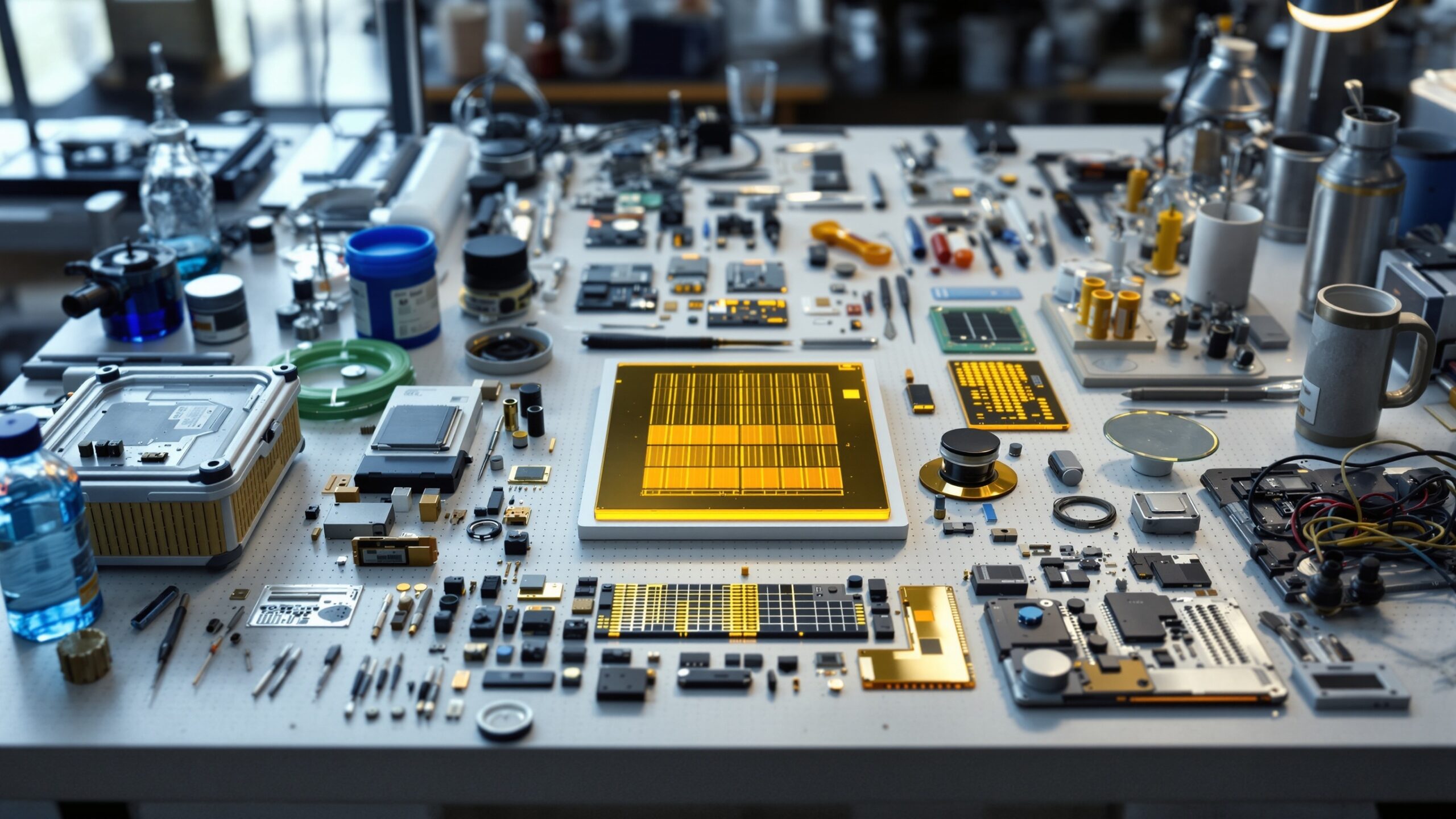
Solar Research Labs & Startups is the innovation district of Solar Power Streets—where bright ideas leave the whiteboard and race toward rooftops, factories, and full-scale solar farms. This hub explores the people and places pushing photovoltaics forward: university labs perfecting new absorbers, national facilities stress-testing modules for decades of weather, and nimble startups prototyping everything from tandem cells to smarter inverters. You’ll find articles that decode the journey from discovery to deployment—materials selection, pilot lines, bankability studies, certifications, field trials, and the hard-earned lessons of scaling. Expect spotlights on breakthrough themes like perovskite-silicon tandems, advanced encapsulants, recycling-friendly designs, AI-guided manufacturing, and next-gen trackers and storage integration. We also dig into the startup playbook: funding rounds, partnerships, patents, supply chains, and the “valley of death” between lab efficiency and real-world reliability. Whether you’re a curious homeowner, a builder hunting future-proof tech, or a maker who loves the business of invention, this category gives you a front-row seat to solar’s next chapter—tested, proven, and ready for sunlight.
A: Certification progress, field data, QA systems, realistic warranties, and a supply chain plan.
A: Scaling, durability, yield, or cost barriers often block the jump from lab to factory.
A: Bankable means repeatable manufacturing, proven reliability, and support for decades.
A: Yes—pilot results influence which technologies become reliable, affordable options for everyone.
A: A smaller factory setup used to refine processes before full-scale production.
A: No—many focus on inverters, trackers, monitoring, storage integration, and O&M tools.
A: Often months; more if redesigns are needed after stress-test results.
A: Warranty terms, degradation rates, certifications, and comparable installations in similar climates.
A: Not automatically—lower degradation and strong warranties can outperform higher-efficiency claims.
A: Bridging innovation to scale: tandems, better packaging, smarter electronics, and cleaner recycling.