
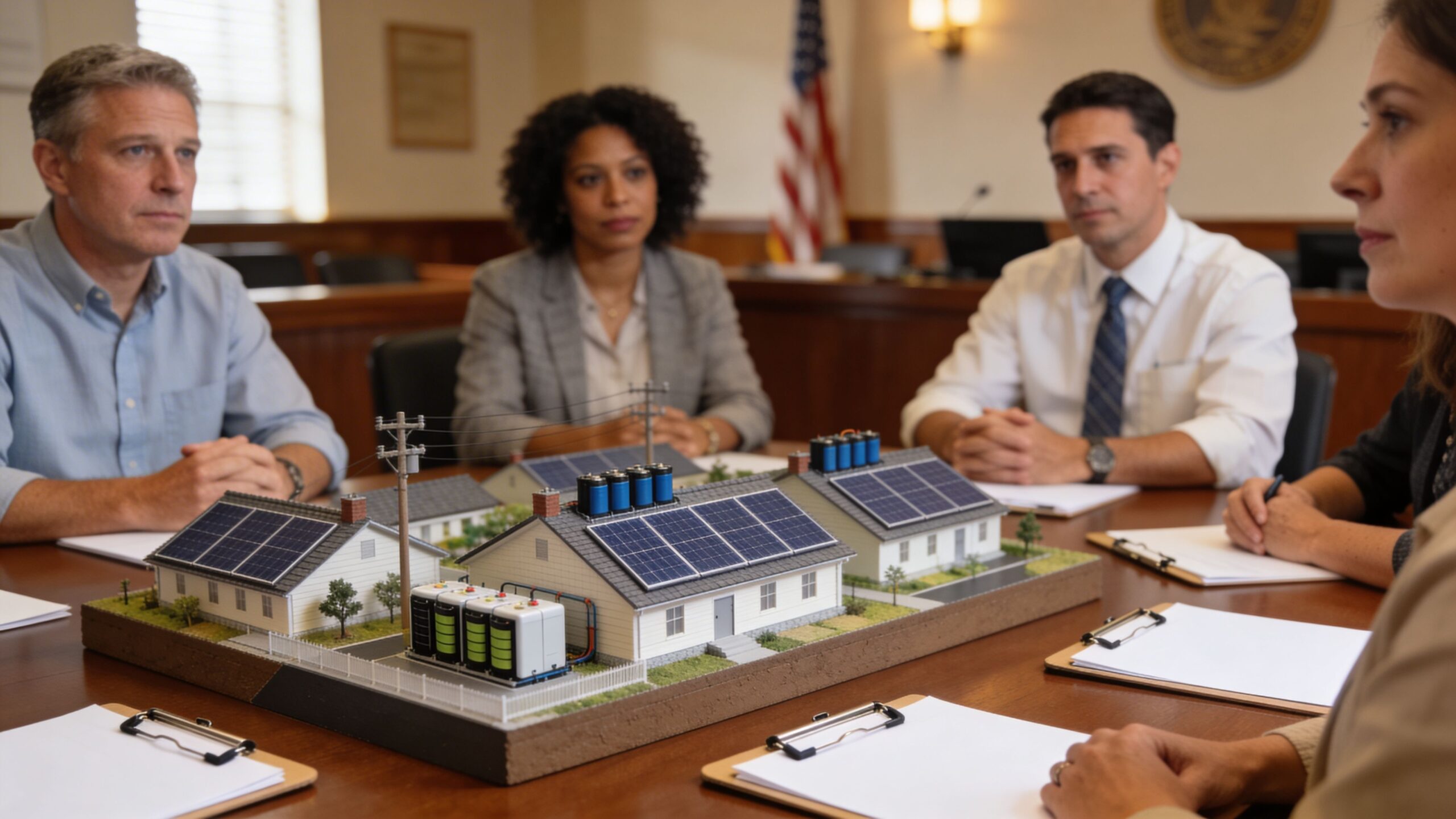
Every solar breakthrough travels through a maze of rules before it reaches rooftops, fields, and city grids. Regulatory challenges shape how quickly clean energy moves from concept to construction, influencing everything from permitting timelines and interconnection approvals to rate design and siting decisions. On Solar Power Streets, this hub explores the friction points where innovation meets governance. Why do projects stall in interconnection queues? How do zoning restrictions, environmental reviews, and grid upgrade costs reshape development timelines? What role do utility regulations play in balancing fairness, reliability, and affordability as distributed energy expands? You’ll also encounter evolving debates around net billing, storage compensation, community solar participation, and land-use policy—issues that determine who benefits from the energy transition and how resilient the system becomes. These articles unpack the complex regulatory landscape with clarity, revealing both barriers and opportunities. As policy frameworks adapt to accelerating solar adoption, understanding regulatory challenges becomes essential for developers, homeowners, planners, and innovators aiming to transform sunlight into dependable, equitable power for the future.
A: Multiple agency reviews, safety checks, and local zoning processes extend timelines.
A: Limited study capacity and complex grid upgrade requirements.
A: Local land-use rules determine project placement and scale.
A: A compensation structure paying a defined rate for exported energy.
A: They enable remote solar resources to reach demand centers.
A: Permitting, compliance, and upgrade requirements influence total project expenses.
A: They oversee tariffs, grid planning, and consumer protections.
A: By enabling microgrids, storage incentives, and flexible interconnection.
A: Policies designed to streamline interconnection processing.
A: Public input can influence project approval and long-term acceptance.