
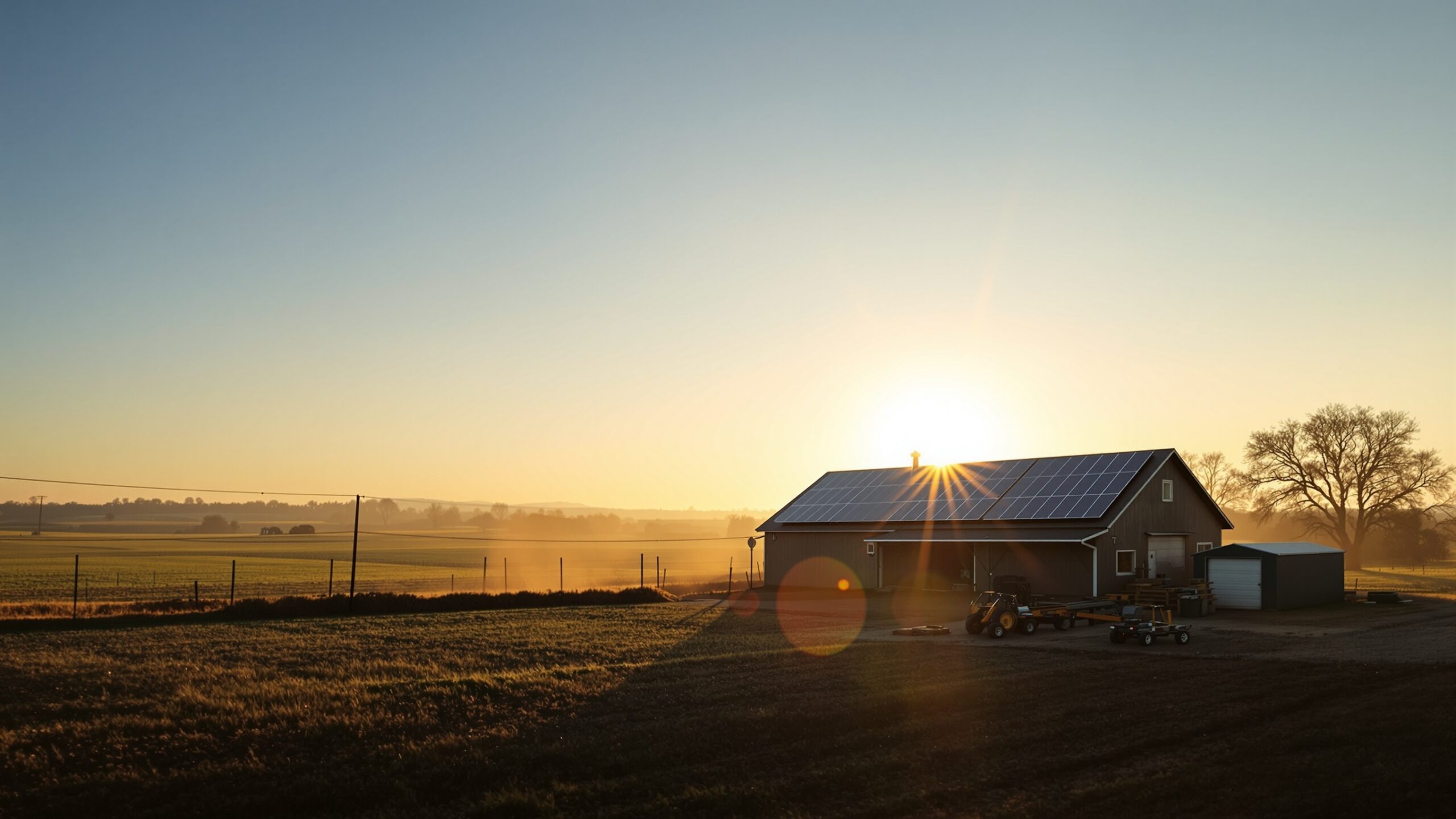
Solar in agriculture is where clean energy meets hard-working land. Farms and ranches run on power all day—pumps pushing water, fans cooling barns, lights stretching productivity, and cold storage protecting harvest value. When the sun is strongest, many agricultural loads are also at their peak, making solar a natural partner for modern farming. But this isn’t just about cutting electric bills. Solar can stabilize operating costs during volatile seasons, reduce reliance on distant infrastructure, and help build resilience when heat waves, drought, or grid outages hit at the worst possible time. From rooftop arrays on barns to ground-mounted systems near fields, and even agrivoltaics that pair panels with crops or grazing, today’s projects are getting smarter, more flexible, and more farm-friendly. This Solar Power Streets section brings together the best articles on how solar fits into real agricultural workflows—planning, siting, incentives, production timing, and practical lessons learned. If your goal is to power irrigation, strengthen operations, or unlock new revenue on the same acreage, you’re in the right place.
A: Often yes—many agricultural loads align with sunny hours.
A: Yes—either grid-tied offsetting usage or paired with storage/controls.
A: Using land for both solar generation and farming (crops or grazing).
A: It depends—some crops benefit from shade; design is key.
A: Rooftop saves land; ground-mount can be easier to maintain and expand.
A: Not required, but helpful for outages and export limits.
A: It can be—plan for inspection and occasional cleaning.
A: Yes—fencing and robust wiring protection are important.
A: Roof condition, shade, interconnection rules, and equipment access paths.
A: Track production, bill savings, demand impacts, and uptime over seasons.