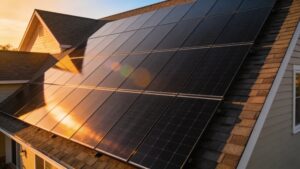
Federal & State Incentives are the financial spark that helps solar move from a great idea to a real installation. Across the country, programs exist to make clean energy more affordable, from tax credits and rebates to performance-based payments, grants, and property tax exemptions. But the details vary widely. What’s available at the federal level may look very different from what your state, county, or utility offers—and the best results often come from combining multiple programs together. This category helps you make sense of the layers, breaking down how incentives work, who qualifies, and how timing can affect the total benefit. You’ll learn how to compare offers, track paperwork, and understand what counts as an eligible expense. We’ll also explore how new policies, funding changes, and local initiatives can open fresh opportunities over time. Whether you’re planning your first solar system or expanding an existing setup, these articles help you spot the programs that matter and capture more value from every ray.
A: In many cases, yes—programs are designed to complement each other.
A: Many programs now include storage, but requirements vary.
A: No—rebates lower upfront cost; tax credits reduce taxes owed.
A: Eligibility depends on location, system size, and ownership.
A: Yes—some phase out or change over time.
A: It can take time, but installers often help guide the process.
A: Contracts, receipts, and installation approvals.
A: Often yes, depending on ownership terms.
A: Usually not, but they can reduce costs significantly.
A: Check local energy offices, utilities, and official program announcements.