
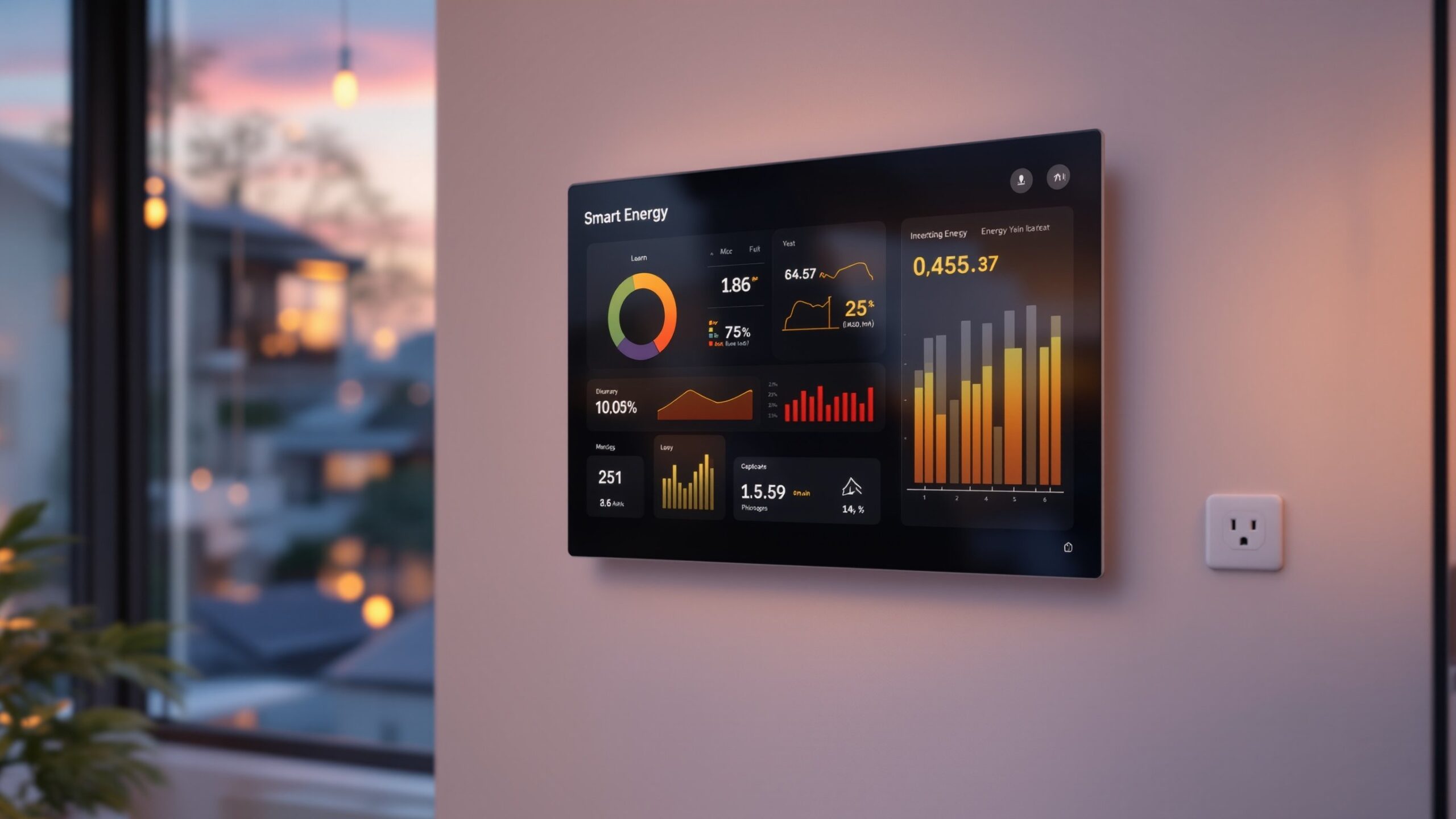
Smart Home Integration is where Solar Power Streets shows how your solar system, home battery, and everyday devices can actually talk to each other. This sub-category is all about turning light switches, thermostats, chargers, and appliances into a calm, coordinated team instead of a noisy crowd pulling power at random. We’ll explore how smart panels, connected plugs, and clever automations can shift energy use into sunny hours, ease strain during peak prices, and stretch every kilowatt-hour your panels produce. Curious what happens when your car, battery, and rooftop solar all follow the same schedule? We’ll break it down in simple, real-life examples you can copy room by room. You’ll find tours of popular smart home platforms, tips for avoiding gadget overload, and ideas for starting small—like one smart circuit or a single “solar-aware” scene. By the end, Smart Home Integration will feel less like science fiction and more like a practical upgrade to how your home thinks about energy every day. You set the goals; the system quietly syncs comfort, savings, and resilience for you.
A: No. Solar works fine alone, but smart devices help you use that energy more intentionally.
A: Begin with one app and one or two high-impact devices, then expand as you get comfortable.
A: Many setups can, either directly or through a hub; your installer can explain options.
A: Most basic solar functions continue; choose devices that keep core controls local when possible.
A: It doesn’t have to be—simple scenes and clear naming go a long way.
A: Most use very little; the savings from better control typically outweigh their small standby use.
A: Yes, many smart home upgrades can be layered onto systems already in place.
A: When paired with a battery, smart controls can prioritize essential loads and stretch backup time.
A: Installers can handle the solar side; many smart devices are DIY-friendly with good guides.
A: Use Sunlight Basics as a quick overview, then explore deeper articles on platforms, devices, and real setups.