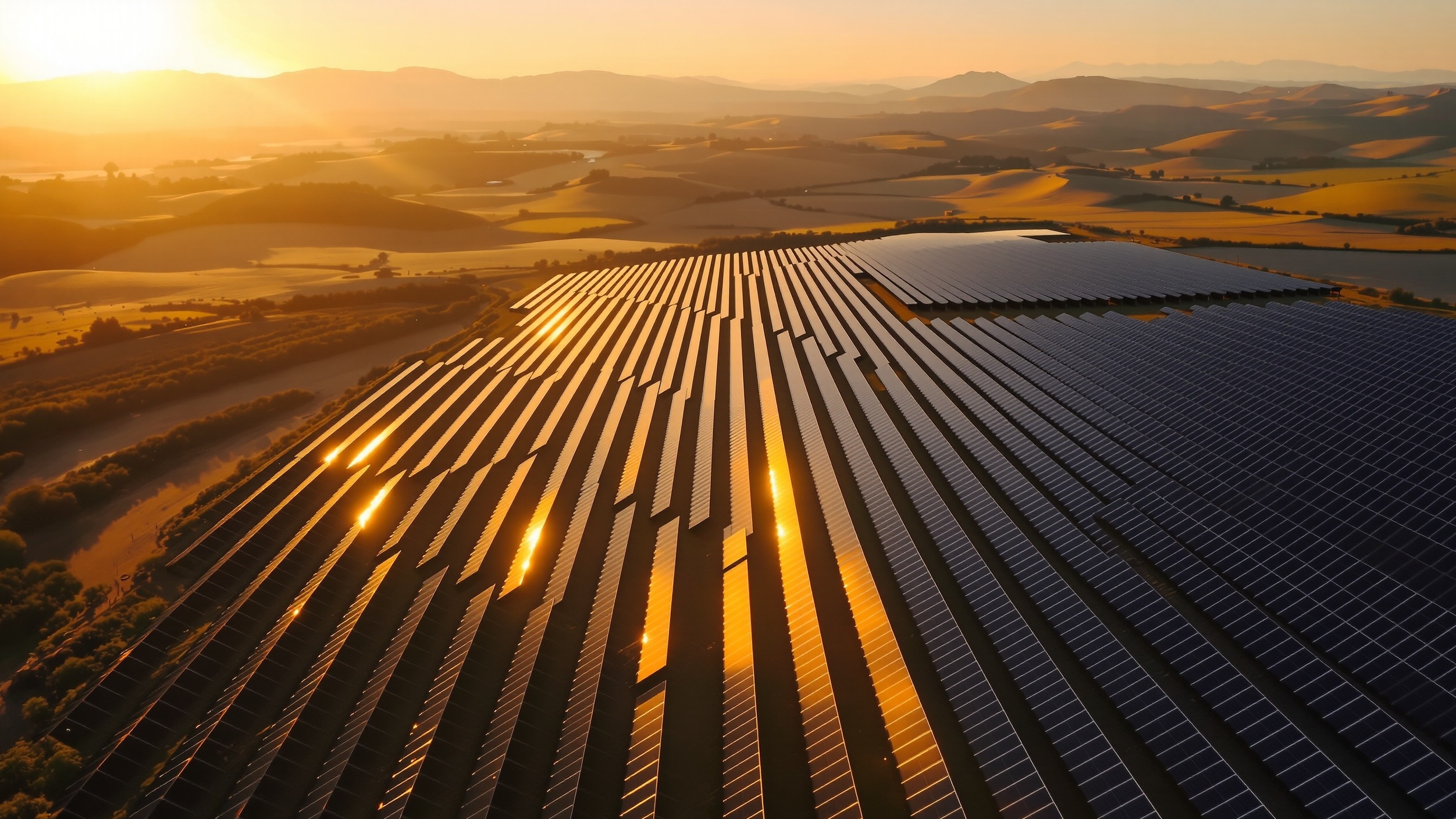
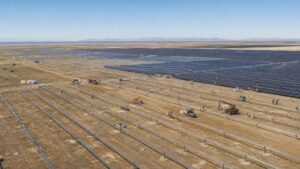
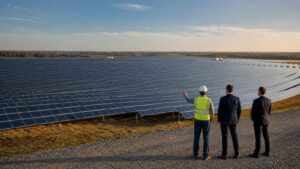
Utility-scale solar farms are the powerhouses of the clean energy transition, stretching across open landscapes and quietly converting sunlight into electricity for entire cities and regions. These large-scale installations use thousands—or even millions—of photovoltaic panels working in unison to feed energy directly into the power grid. Unlike rooftop systems, utility-scale solar is designed for maximum output, long-term reliability, and grid-level impact. From vast desert arrays to rolling farmland installations, solar farms are carefully engineered ecosystems. They balance panel orientation, tracking systems, land use, weather patterns, and transmission access to deliver consistent power at competitive costs. As technology advances, modern solar farms are becoming smarter, cleaner, and more efficient—often paired with battery storage, advanced monitoring, and grid-balancing software. On Solar Power Streets, this section explores how utility-scale solar farms are planned, built, and operated, along with the innovations shaping their future. Whether you’re curious about how gigawatts are generated, how land is optimized, or how solar fits into national energy strategies, this is where the big picture of solar power comes into focus.
A: Typically tens to thousands of megawatts.
A: Yes, but with reduced output.
A: Around 30–35 years.
A: Optional, but increasingly common.
A: No, they operate quietly.
A: Yes, sites are fully reversible.
A: Utilities, governments, or corporations.
A: Proper design minimizes impact.
A: Often within 12–24 months.
A: Yes, at record-breaking rates.