
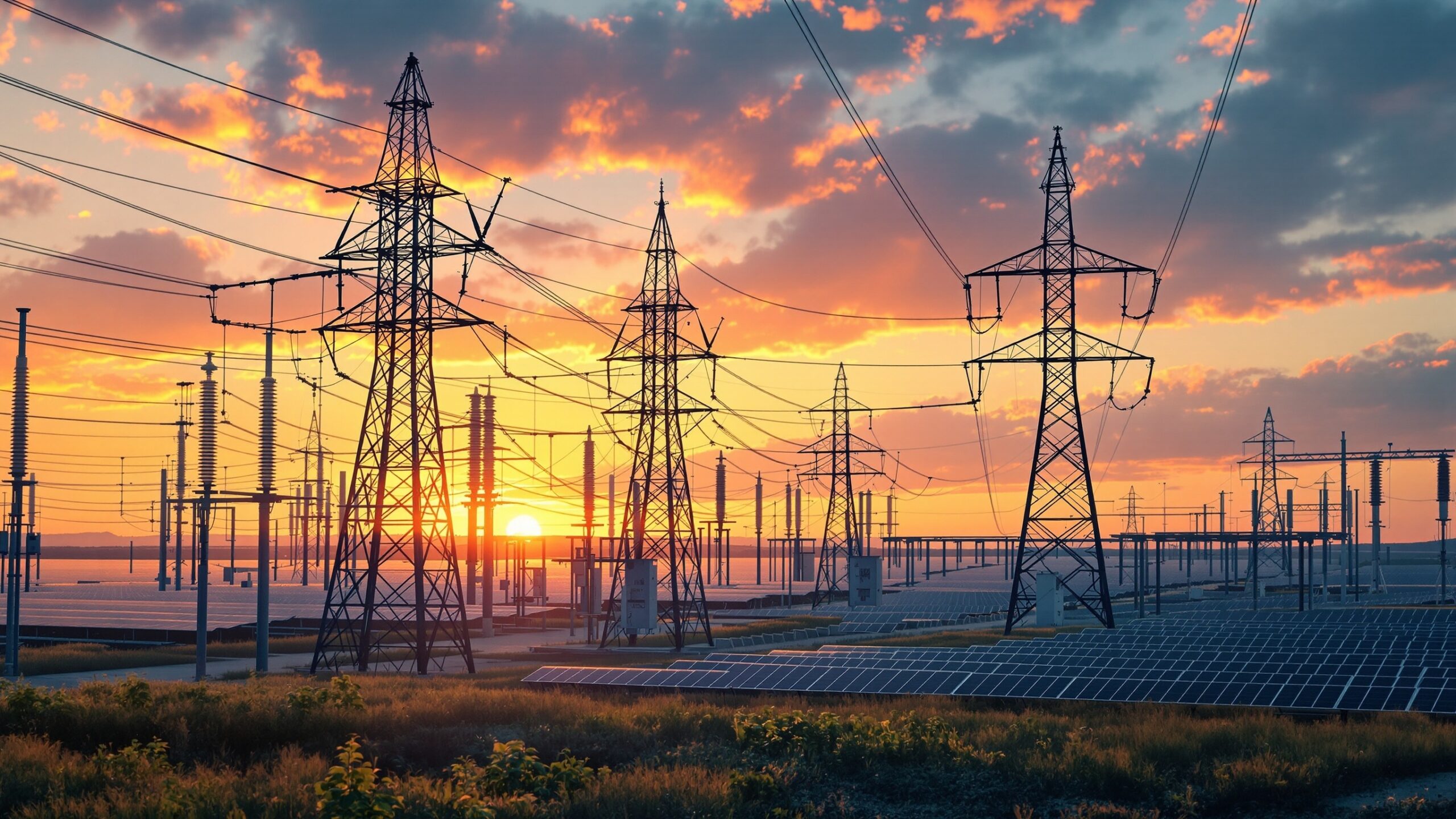
Grid integration is where solar power stops being “just panels” and becomes real electricity that keeps the lights on—everywhere. It’s the behind-the-scenes coordination that allows solar farms, rooftop systems, batteries, and traditional power plants to work together as one reliable machine. When the sun surges at noon or clouds roll in fast, the grid has to respond instantly, balancing supply and demand with precision that’s measured in seconds. In this Solar Power Streets hub, we dig into the practical reality of connecting solar to the grid: interconnection studies, substations, transformers, voltage control, frequency support, and the rules that decide how power flows. You’ll explore how utilities manage variability, why “curtailment” happens, and how smart inverters and grid-scale batteries are changing what solar can do. We’ll also cover transmission constraints, distribution upgrades, forecasting, and the tools operators use to keep everything stable—without turning it into a textbook. If you’ve ever wondered how sunlight becomes dependable, dispatchable power for homes and businesses, grid integration is the answer. It’s the handshake between clean energy and reliability—and it’s where solar grows up and scales.
A: It’s the process of proving a solar project can connect safely to the grid.
A: The grid may be congested, or local voltage limits may require reducing output.
A: Yes—modern inverters can provide voltage and frequency support in many cases.
A: Yes—storage can smooth ramps, shift energy, and support stability.
A: Often transmission capacity and interconnection queue delays.
A: Not always—upgrades depend on planning, funding, and local needs.
A: Keeping electricity at the right pressure so equipment runs safely.
A: Yes—especially on local distribution circuits with lots of solar.
A: With weather models, sensors, and real-time plant data.
A: Start with interconnection, curtailment, and how batteries change the game.