
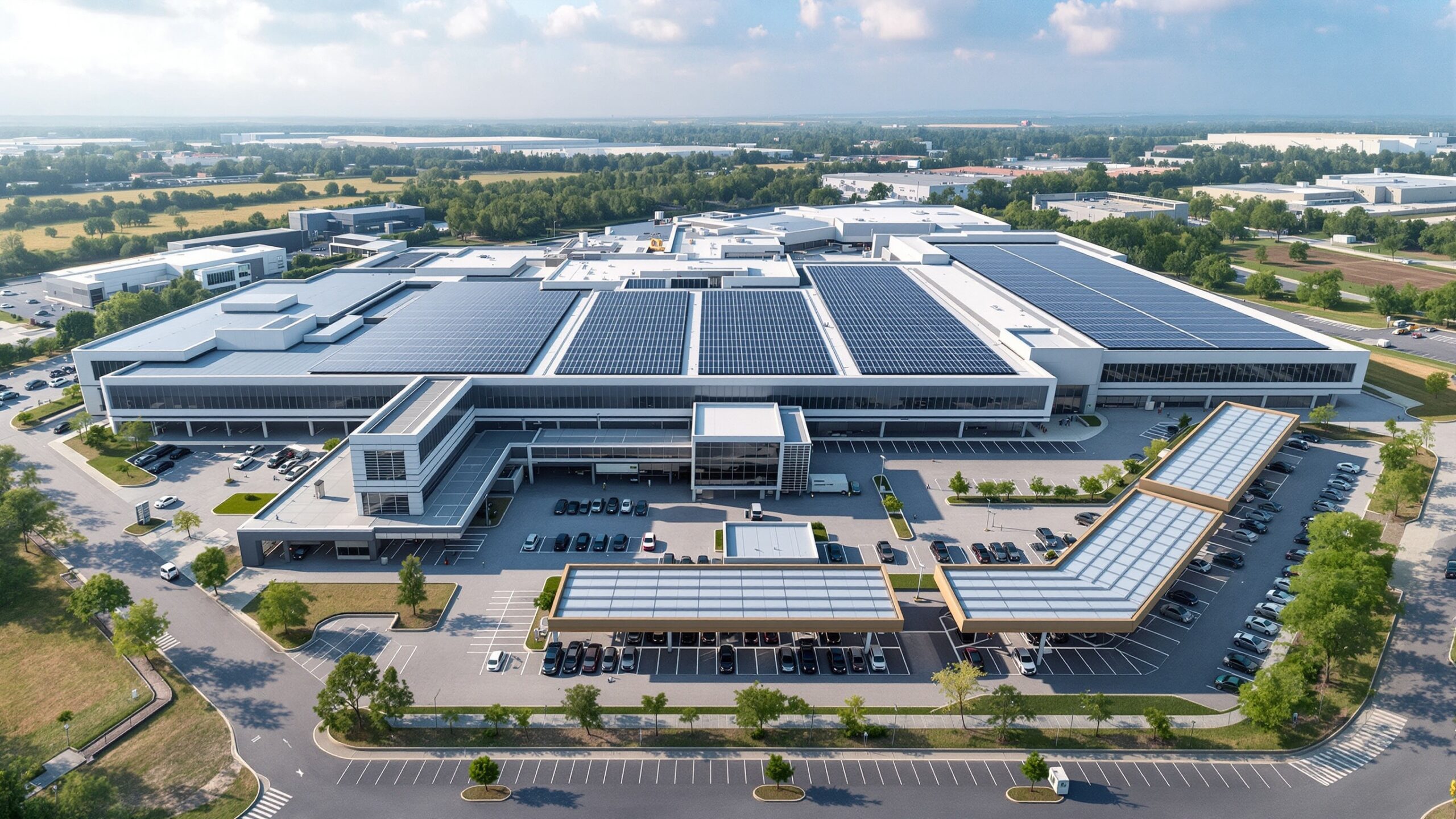
Enterprise solar success stories show what happens when clean energy meets real-world scale. Across manufacturing plants, data centers, logistics hubs, corporate campuses, and retail portfolios, solar power is no longer a pilot project—it’s a proven business strategy. These case studies go beyond theory to reveal how organizations reduce operating costs, hedge against energy volatility, strengthen resilience, and meet ambitious sustainability goals using solar energy. Each enterprise faces unique challenges, from complex load profiles and tight margins to regulatory hurdles and long planning cycles. The stories in this section highlight how those challenges are solved through smart design, financing, partnerships, and execution. You’ll explore how large organizations integrate solar into existing infrastructure, optimize performance over time, and measure success in both dollars and impact. This collection on Solar Power Streets focuses on practical outcomes, not hype—real numbers, real lessons, and real results. Whether you’re evaluating solar for a single facility or an entire portfolio, these enterprise case studies offer clear insight into what works, what scales, and what success truly looks like in the field.
A: Clear KPIs, reliable output, smooth operations, and verified savings.
A: Rooftops are efficient; carports add shade and visibility but cost more.
A: Both—PPAs reduce upfront cost; ownership can maximize long-term value.
A: Often 6–18 months depending on interconnection and permitting.
A: Good staging and scheduling keep disruptions minimal.
A: Not required, but it can improve demand savings and resilience.
A: Production, savings vs baseline, downtime, and demand-peak impacts.
A: Yes—via landlord agreements, community solar, or virtual PPAs.
A: Interconnection timelines and internal approvals often take longer than expected.
A: Standardize design, procurement, and contracts, then replicate with local tweaks.