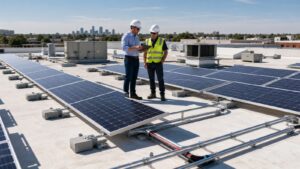
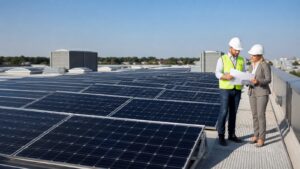
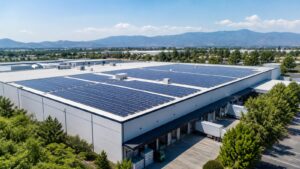
Solar isn’t just a home upgrade—it’s a business strategy. Solar for Businesses is where Solar Power Streets turns rooftops, parking lots, and open land into predictable power that works as hard as your team does. Explore real-world approaches for shops, warehouses, offices, farms, restaurants, and multi-site operators, with articles that break down what matters most: demand charges, time-of-use rates, tax advantages, and operational resilience. Learn how to size systems around weekday loads, refrigeration, HVAC, equipment cycles, and EV fleets, and see when batteries, generators, or load controls can multiply the value of every sunlit hour. We’ll cover ownership options, financing pathways, and what to expect from permits, interconnection, and maintenance—without the fluff. If your goal is to stabilize costs, protect margins, or build a brand that runs cleaner and smarter, this category delivers the playbook. Because when the meter slows down, momentum speeds up—and sunlight becomes a competitive edge you can bank on.
A: 12 months of bills—especially demand charges, peak periods, and total kWh.
A: Rooftops are often cheaper; carports add shading and can support EV charging.
A: Not always—best when demand charges, peak rates, or outage costs are significant.
A: Often the longest part is permits and utility interconnection, not the on-site work.
A: A PPA buys power from a third party; ownership captures incentives but requires capital.
A: Yes, if designed with storage and proper controls to safely supply backup loads.
A: Compare production assumptions, rate model, demand-charge impacts, warranties, and O&M.
A: Monitoring plus periodic inspections; cleaning depends on dust/pollen and local conditions.
A: It can—confirm installer methods and roof warranty terms before final design.
A: Pull bills, list major loads, and note roof/parking constraints for a solid first design.