
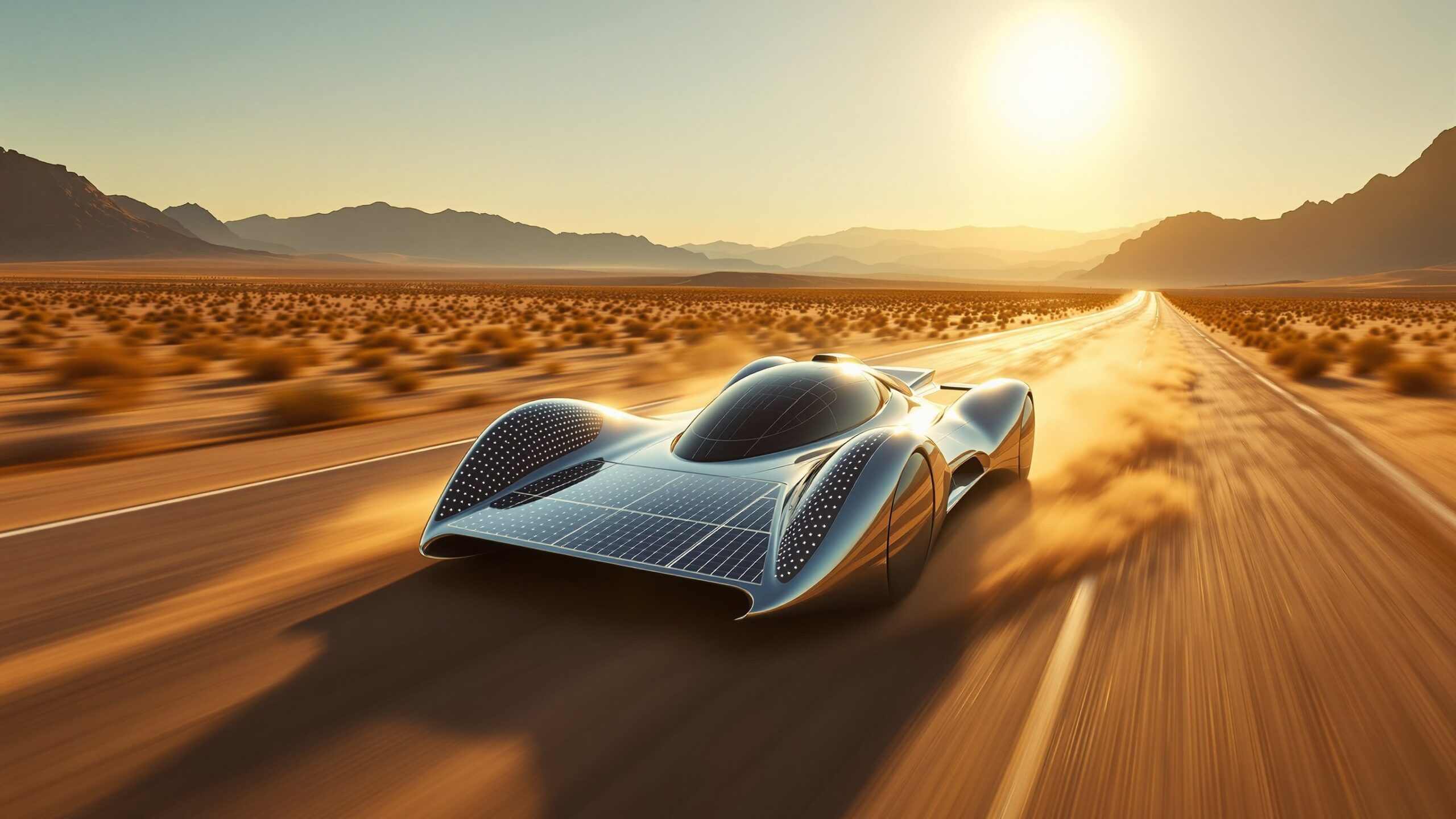
The Solar Vehicles Gallery celebrates the thrilling fusion of sunlight and motion—where cutting-edge innovation meets the open road. Here, solar panels aren’t just rooftops on homes—they’re the sleek, glimmering skin of tomorrow’s transportation. From futuristic solar race cars slicing across desert highways to elegant urban EVs sipping sunlight between commutes, this gallery captures the spirit of limitless mobility powered by the sun. These vehicles transform clean energy into kinetic art, driving us toward a quieter, greener, and more efficient future. Dive into the evolving world of solar aircraft, boats, and road vehicles that redefine how we think about travel and sustainability. Each article in this collection showcases breakthroughs in design, battery storage, and efficiency—proof that solar innovation doesn’t stop at rooftops. Step inside the gallery where science meets imagination, and experience how solar technology is reshaping the very definition of motion under the brilliance of our nearest star.
A: Daily miles vary by area/season/array size; think supplemental, not primary, for road cars.
A: Great for commuters parked outdoors—adds free energy and keeps cabin cooler.
A: Boats idle in sun for hours and can host larger arrays, so gains are bigger.
A: Yes; solar feeds the traction/house pack via MPPT. Size for your loads and charging goals.
A: Choose walkable/marine-rated laminates or tempered glass; mount with compliant pads.
A: Split arrays into zones with independent MPPTs and bypass diodes to localize losses.
A: It helps offset, but HVAC is energy-intense—expect partial coverage in sun.
A: Ensure mounts don’t block visibility; follow electrical codes and manufacturer limits.
A: Check W/m², weight, bend radius, temp coefficient, and warranty.
A: Inspect wiring, clean surfaces, verify logs/alerts, and reseal penetrations as needed.