Commercial Solar Installation Requires Utility Analysis, Roof or Land Review, Financing, Incentives, Engineering, Permits, Interconnection, and Operations Planning
Installing commercial solar is a business decision, construction project, electrical upgrade, and long-term operations plan all at once. A strong project begins with utility bills and load data, then moves through site review, system design, financing, incentives, engineering, permitting, interconnection, installation, monitoring, and maintenance. The goal is not just to place panels on a building; it is to create a system that supports the business for years.
A: No. Nighttime power comes from the grid, a battery, or another energy source.
A: Yes, but production is usually lower than it is under strong direct sunlight.
A: Not always. Many systems are grid-tied without batteries, while backup designs need storage or another backup source.
A: Many panels are designed for decades of service, with gradual output loss over time.
A: Sometimes it can reduce energy charges greatly, but fixed fees, seasonal use, and utility rules still matter.
A: Standard grid-tied systems usually shut down unless approved backup equipment is installed.
A: It should be checked carefully because roof replacement after installation can require panel removal and reinstallation.
A: They can help when space is limited, but cost, warranty, layout, and total production matter too.
A: Owners usually watch monitoring, keep panels reasonably clear, and arrange service when output or equipment looks abnormal.
A: Review energy use, roof condition, shade, utility rules, goals, and realistic budget before comparing systems.
Start With Utility Data
Commercial bills may include energy charges, demand charges, time-of-use rates, fixed fees, and power-factor considerations. A solar proposal should use real usage data when possible. Demand peaks and operating hours can change system value more than annual consumption alone. For commercial solar installation, the start with utility data decision matters because solar projects are shaped by site conditions, equipment ratings, wiring, safety rules, warranties, and utility approval. A good result comes from matching the technology to the place where it will actually operate. That practical lens keeps the article useful for homeowners, builders, and buyers. Solar works best when expectations are tied to roof area, sun exposure, load profile, budget, and maintenance rather than to broad promises.
Review the Site Carefully
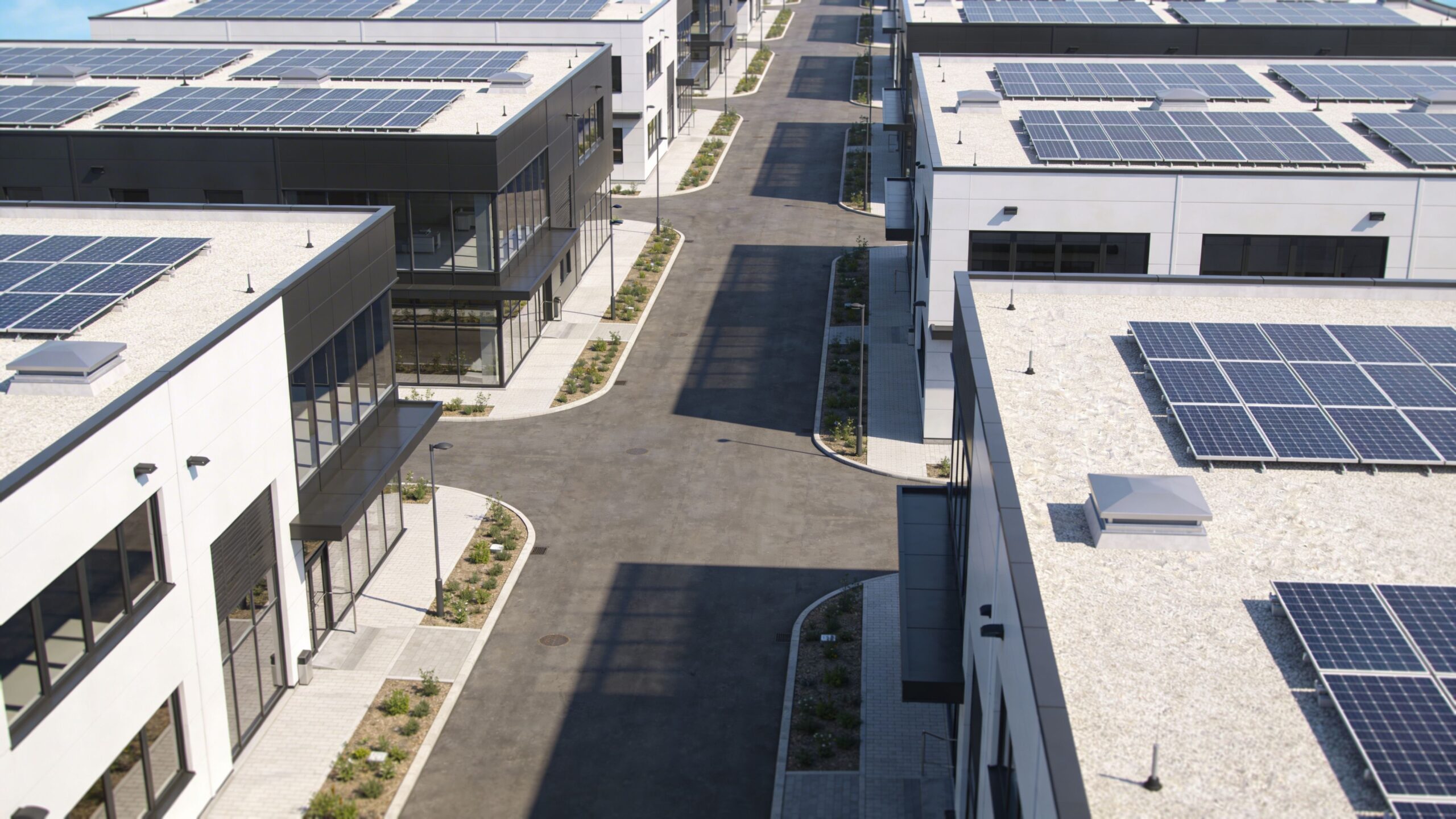
A commercial system may use a roof, parking structure, ground mount, canopy, or unused land. Each option has different structural, electrical, and operational requirements. Roof age, membrane type, drainage, HVAC access, fire paths, wind loads, and tenant issues should be reviewed before design is finalized. The review the site carefully choice also affects long-term value. Panels, inverters, batteries, racking, monitoring, permits, and service plans can all change the real cost of ownership after installation day. Readers need a clean way to separate headline appeal from durable performance. The strongest solar decision is usually the one that still makes sense after weather, utility rates, and household use patterns change.
Choose a Financing Structure
Businesses may compare cash purchase, loan, lease, power purchase agreement, tax equity, grants, rebates, or utility programs. The best structure depends on tax position, cash-flow goals, ownership preference, accounting treatment, and how the business handles capital projects. Good choose a financing structure planning starts with evidence from the site. Shade, roof age, roof direction, available space, local rules, and utility policies can matter as much as panel type or advertised efficiency.
This is why a careful solar explanation needs to move from concept to real-world constraints quickly. The reader needs to understand what to measure before trusting a quote, a product claim, or a design sketch.
Handle Engineering and Permits
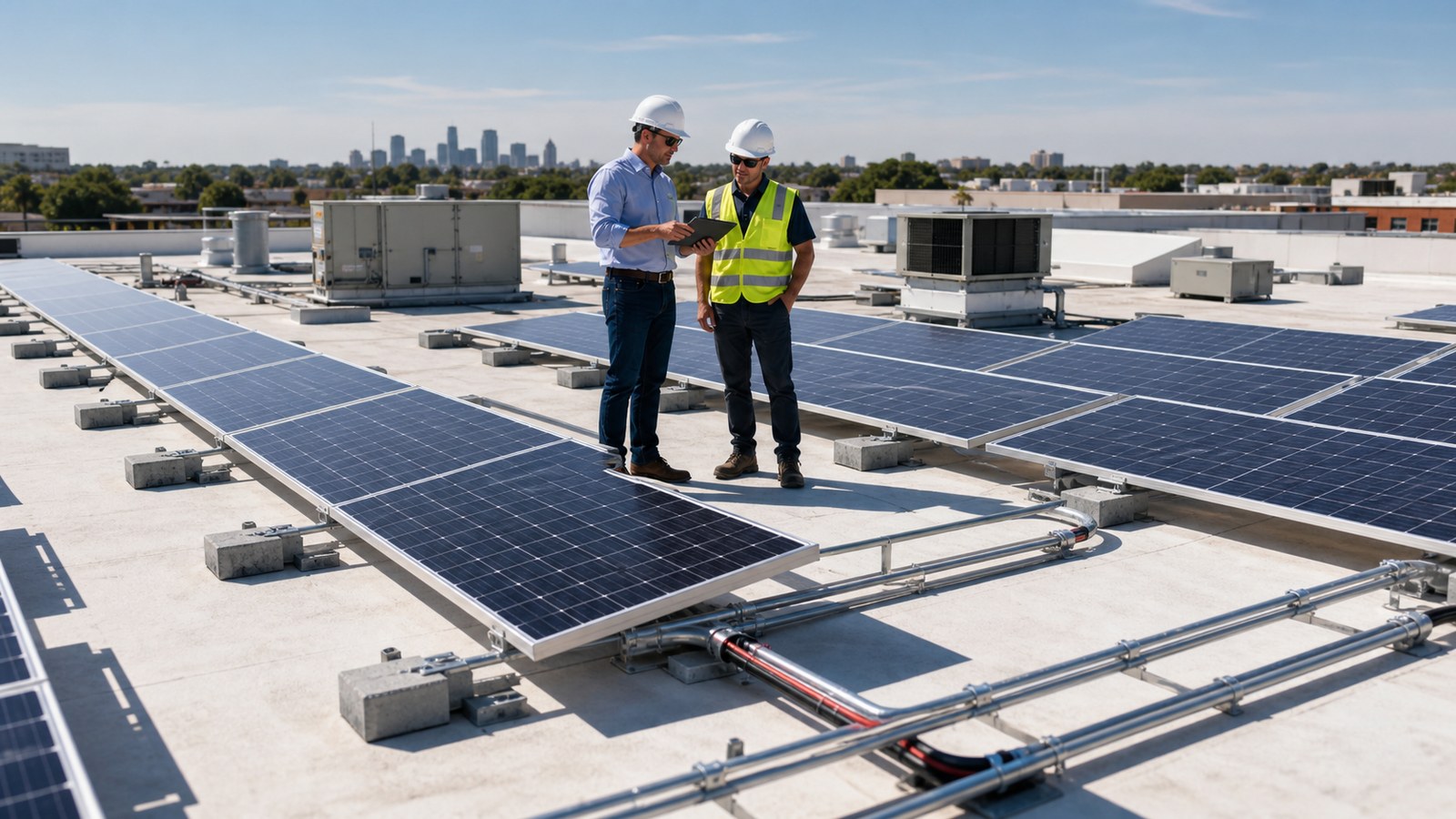
Commercial projects often require structural review, electrical engineering, plan sets, permits, utility studies, and inspection coordination. Larger systems may face interconnection studies or upgrade requirements. Those steps should be included in the timeline and budget. The handle engineering and permits layer is also where safety and code awareness belong. Solar equipment handles live electrical power, rooftop mounting, weather exposure, and sometimes battery storage. A useful plan respects those limits. Professional design, permits, inspections, disconnects, labeling, and proper interconnection keep the project from becoming a risky shortcut.
Plan Around Operations
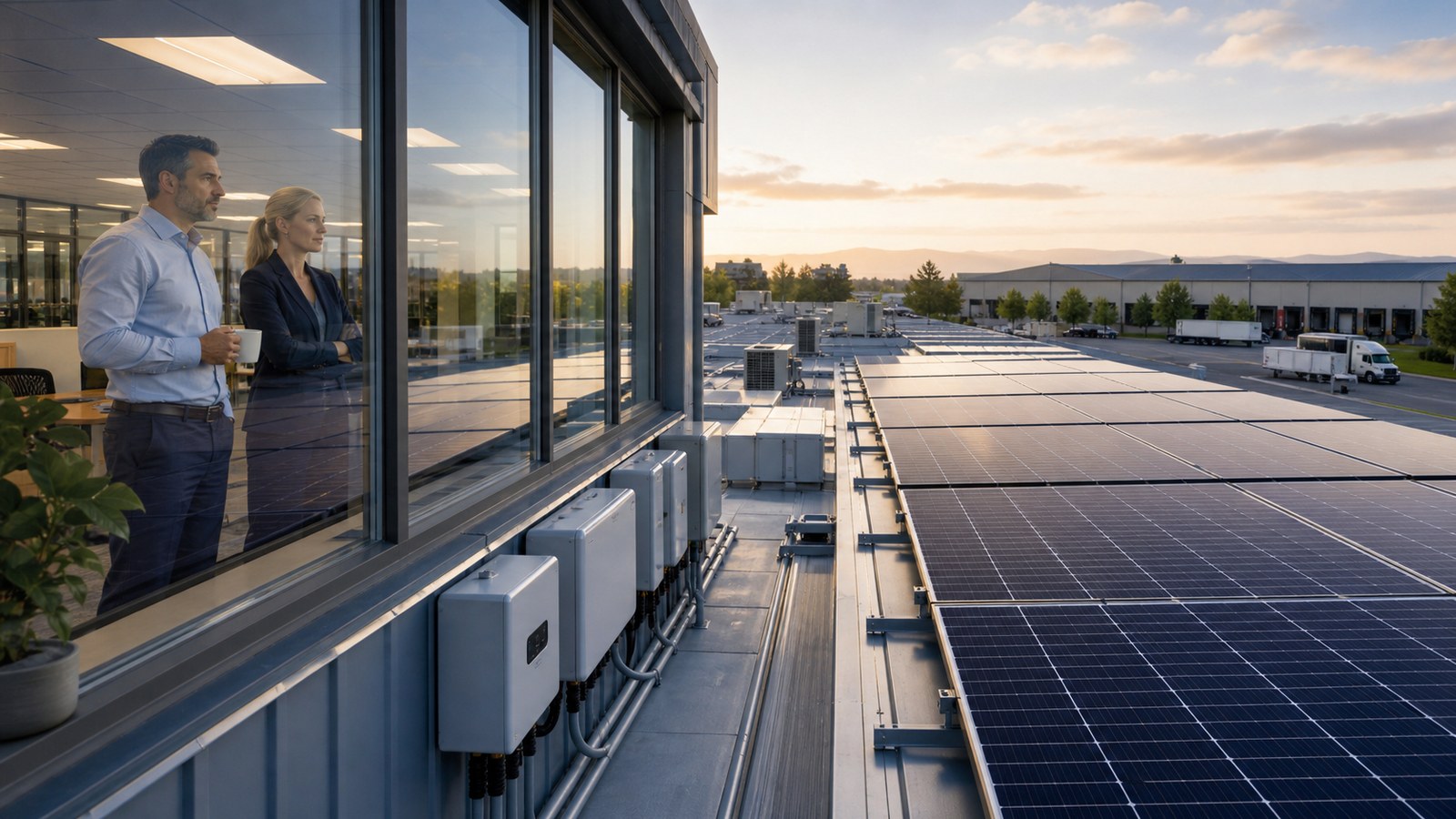
Installation should account for business hours, parking, safety, roof access, tenants, deliveries, customer areas, and equipment shutdowns. A good contractor reduces disruption and keeps facility managers informed. Solar should support operations, not surprise them. Thinking through plan around operations helps the reader avoid one-size-fits-all advice. A small cabin, suburban roof, commercial building, tiny home, and utility project all use solar differently. The better question is not whether solar is good in general. It is whether the system fits the load, the site, the budget, and the owner’s expectations.
Manage the System After Installation
Monitoring, maintenance, inverter service, warranty management, cleaning when needed, and performance review protect the investment. The business should know who watches alerts, who handles repairs, and how production will be compared against expectations. The final test for manage the system after installation is whether the decision improves reliability, savings, resilience, or design flexibility in a way the owner can explain. When that answer is clear, the project is easier to compare against alternatives and easier to maintain after the excitement of installation fades.
How to Apply Commercial Solar Installation in Real Life
The practical test for commercial solar installation is whether the reader can move from interest to a realistic next step. Solar planning should connect the idea to roof condition, sun exposure, household load, local utility rules, incentives, installation labor, and equipment lifespan. Start with the site before comparing products. A shaded roof, old shingles, limited service-panel capacity, or restrictive interconnection rule can change the best answer. Early site review helps the reader discover those limits before money is committed.
Costs also need context. A system price can look attractive until batteries, roof work, trenching, electrical upgrades, permit delays, or service needs are included. Total value depends on both the installed system and the way it will be used. Performance should be explained in ordinary terms. Panel efficiency, degradation, inverter clipping, battery depth of discharge, seasonal production, and standby loads all matter because they affect how much usable energy reaches the home or building.
The best solar decisions leave room for maintenance and change. Monitoring, accessible shutoffs, clear equipment labels, spare conduit capacity, and documented warranties make the system easier to own over time. A useful explanation of commercial solar installation leaves the reader more confident and more cautious at the same time: confident about what solar can do, and cautious enough to check the details before committing money. The owner also needs to know which assumptions would change the answer. A new roof, a larger electric bill, an electric vehicle, a heat-pump conversion, a battery rebate, or a different utility rate can all shift the best design.
Good planning turns those possibilities into options instead of surprises. A system with thoughtful conduit paths, serviceable equipment locations, and clear monitoring can adapt more easily than a system built only around the cheapest first quote. Maintenance is usually light, but it is not imaginary. Owners still need to watch production trends, keep access clear, review alerts, understand warranty channels, and know when dirt, shade growth, or equipment faults are reducing output.
For homes with batteries, the daily routine matters even more. Reserve settings, critical-load panels, storm modes, and backup priorities can determine whether storage feels useful during an outage or confusing when the grid goes down.
Planning Checklist for Commercial Solar Installation
Before choosing equipment, confirm the site’s solar resource, shade profile, roof or ground-mount condition, available area, electrical capacity, and expected energy use. Those basics shape system size more than advertising copy does. Compare quotes by equipment model, warranty, production estimate, installation scope, monitoring, roof work, permit handling, interconnection support, and service terms. Two quotes with the same system size may not include the same work.
Ask how the system performs in winter, cloudy periods, heat, partial shade, outages, and future rate changes. A useful design explains the weak months as clearly as the strong ones. If batteries are involved, separate backup loads from whole-home loads. Running critical circuits through an outage is different from trying to power every appliance at normal levels.
Keep paperwork organized. Permits, interconnection approvals, product manuals, warranty documents, monitoring logins, inspection records, and installer contact information should be easy to find. Finally, treat commercial solar installation as a long-term energy decision rather than a single purchase. The best system is one the owner can understand, monitor, maintain, and justify years later. Ask what happens if one part fails. Panel replacement, inverter service, battery support, roof repair, and monitoring access all become easier when the original plan names products clearly and leaves equipment reachable.
Review the proposal in plain language before signing. The owner needs to be able to identify the system size, expected production, battery role, utility approval path, warranty coverage, and any costs that are not included. Confirm who is responsible for each step. Sales, design, permitting, installation, inspection, utility approval, monitoring setup, and warranty service may involve different teams, and the owner needs one clear point of contact. Check whether the installation plan protects the building. Roof flashing, conduit routing, attic access, exterior penetrations, equipment clearances, and battery placement should be explained before work begins.
Common Mistakes With Commercial Solar Installation
One common mistake is comparing panels by efficiency alone. Efficiency matters when space is tight, but installation quality, warranty support, inverter choice, shade management, and system design often have equal or greater impact. Another mistake is ignoring roof condition. Installing solar on a roof that needs replacement soon can create extra labor, extra risk, and avoidable removal costs later.
Some buyers also overlook utility rules. Net metering, time-of-use rates, demand charges, export limits, and interconnection timelines can change the financial picture substantially. Battery expectations can be another problem. A battery may provide backup, load shifting, or self-consumption benefits, but capacity and power limits need to match the loads people actually want to run.
The safest way to avoid those mistakes is to judge commercial solar installation by site fit and ownership clarity. If the system’s purpose, cost, limits, and maintenance path are clear, the decision is much stronger. A final mistake is treating incentives as guaranteed before eligibility is confirmed. Tax credits, rebates, interconnection rules, and local programs can change, and the owner may need specific paperwork to qualify.
Good solar decisions also avoid hiding tradeoffs. More panels may improve annual production but add roof complexity; more battery capacity may improve backup but raise cost; a simpler system may be easier to service. Another mistake is forgetting future loads. A homeowner who plans to add an electric vehicle, heat pump, pool equipment, workshop, or home office may need a design that can expand gracefully. Owners can also overvalue first-year production estimates. Weather varies, panels degrade slowly, and household use changes, so the system needs to make sense across many years rather than one perfect forecast.
Final Fit Test for Commercial Solar Installation
The final fit test for commercial solar installation is simple: can the owner explain what the system is supposed to accomplish, what it will not accomplish, and which assumptions drive the value? If those points are vague, the project needs more review. A good solar plan does not depend on perfect weather, perfect rates, or perfect usage. It accounts for seasonal production, equipment limits, household behavior, utility policy, and maintenance.
The best guidance also respects uncertainty. Solar technology keeps improving, but the best decision still starts with today’s site, today’s budget, today’s rules, and the owner’s real goals. That approach keeps solar practical. Instead of promising that every project pays back the same way, it helps the reader ask better questions, compare better quotes, and build a system that fits the property.
When the design, paperwork, equipment, and maintenance plan all point in the same direction, the solar project becomes easier to trust. That is the standard a buyer can use before moving forward. The final review should also include a plain-language handoff. The owner needs to know where the shutoffs are, how monitoring works, which loads are backed up, and which company to call for service. When those basics are clear, solar feels less like a complicated appliance on the roof and more like an understandable part of the property.
Bottom Line on Commercial Solar Installation
Commercial solar installation works best when energy data, site conditions, financing, engineering, permits, operations, and maintenance are planned together. The strongest projects are clear about cost, production, ownership, disruption, service responsibilities, and long-term business value.