The Rise of the Solar Roof
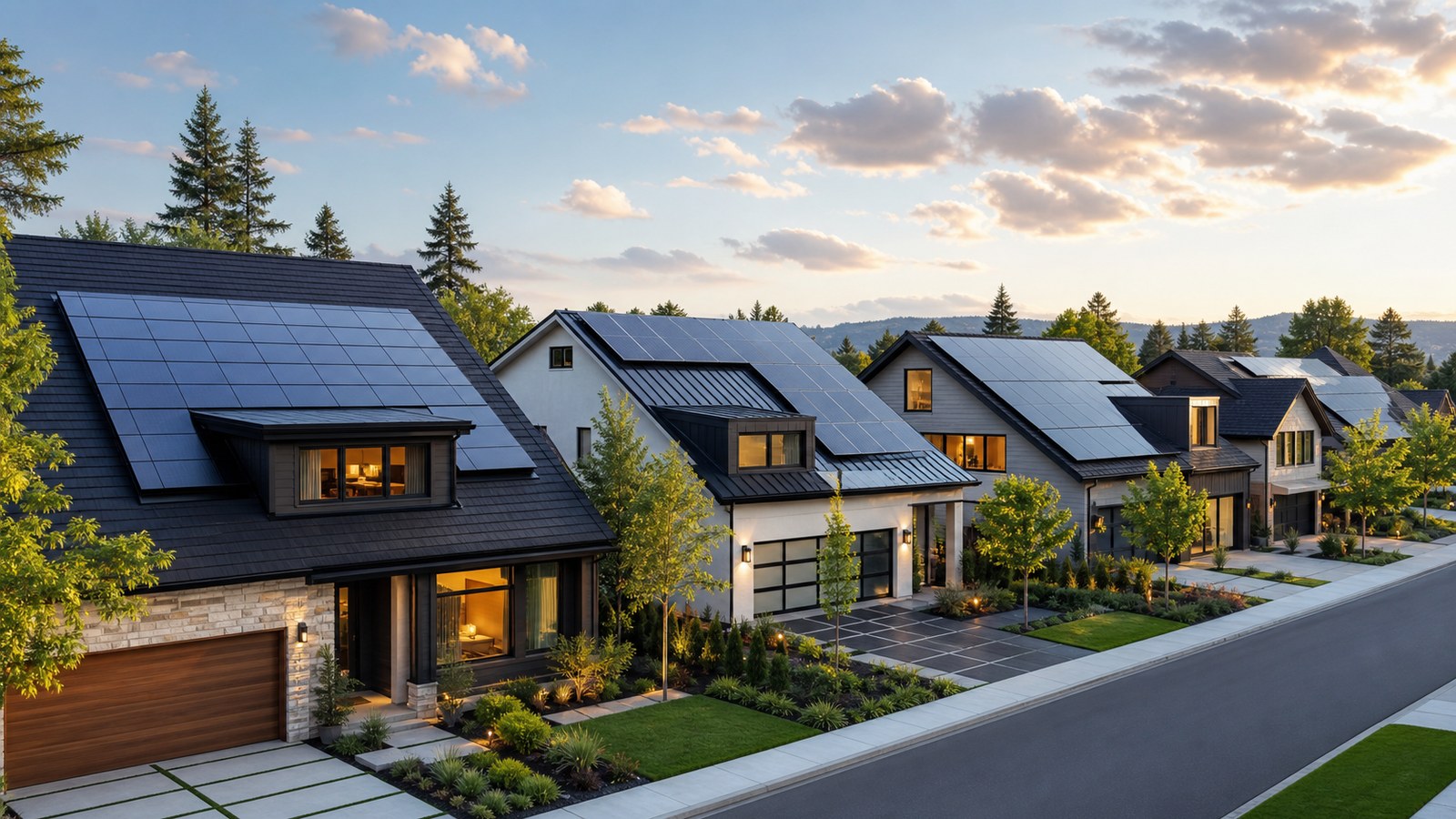
Solar energy has moved far beyond the image of bulky panels bolted onto rooftops. Today, one of the most exciting shifts in clean energy and home design is the solar roof. Instead of treating solar as an add-on, integrated solar architecture makes energy generation part of the building itself. That change is more than cosmetic. It represents a new way of thinking about homes, construction, and sustainability. A solar roof blends photovoltaic technology directly into roofing materials so the roof itself becomes a power-producing surface. This idea is appealing for obvious reasons. Homeowners want lower electric bills. Builders want modern, efficient homes. Architects want clean rooflines without sacrificing performance. Solar roofs bring those goals together in a way that feels futuristic but increasingly practical. As more people look for long-term energy savings and more communities push toward sustainable development, solar roofs are gaining serious attention. They are not just about producing electricity. They are about reshaping the visual and functional identity of the modern home.
A: No. Nighttime power comes from the grid, a battery, or another energy source.
A: Yes, but production is usually lower than it is under strong direct sunlight.
A: Not always. Many systems are grid-tied without batteries, while backup designs need storage or another backup source.
A: Many panels are designed for decades of service, with gradual output loss over time.
A: Sometimes it can reduce energy charges greatly, but fixed fees, seasonal use, and utility rules still matter.
A: Standard grid-tied systems usually shut down unless approved backup equipment is installed.
A: It should be checked carefully because roof replacement after installation can require panel removal and reinstallation.
A: They can help when space is limited, but cost, warranty, layout, and total production matter too.
A: Owners usually watch monitoring, keep panels reasonably clear, and arrange service when output or equipment looks abnormal.
A: Review energy use, roof condition, shade, utility rules, goals, and realistic budget before comparing systems.
What Is a Solar Roof?
A solar roof is a roofing system that incorporates solar energy technology directly into the roof material. Unlike traditional solar panels, which are mounted above existing shingles or tiles, solar roofs are designed to be part of the structure itself. The roof protects the home from weather while also generating power from sunlight. This integrated approach is often associated with building-integrated photovoltaics, or BIPV. In a BIPV system, the photovoltaic material is not separate from the building envelope. It replaces conventional building materials while adding energy-generating capability. In the case of solar roofs, that means the roof is both a shelter and a power source. Some solar roofs use photovoltaic shingles. Others use solar tiles designed to mimic traditional roofing materials like slate, asphalt, or clay. The goal is to combine function, performance, and aesthetics into one seamless system.
How Solar Roofs Work
At the heart of every solar roof is photovoltaic technology. When sunlight strikes the solar cells embedded in the roofing material, those cells convert solar energy into direct current electricity. An inverter then changes that direct current into alternating current, which is what homes use to power lights, appliances, and electronics. This process sounds simple, but the design behind it is sophisticated. Solar roofs must withstand rain, wind, heat, snow, and long-term exposure while continuing to produce electricity reliably. They also need to be integrated with the home’s electrical system, and often with energy monitoring software or battery storage systems.
Electricity produced during the day can be used immediately by the home. If the system creates more electricity than the home needs at that moment, the excess may be sent to the grid or stored in a battery, depending on the setup. At night or during cloudy periods, the home can draw from the grid or from stored energy. That combination of building material and energy system is what makes solar roofs so compelling. They do not just sit on the house. They are the house, at least in part.
Solar Roofs vs Traditional Solar Panels
Many homeowners wonder whether solar roofs are simply a more stylish version of regular panels. The answer is both yes and no. Both technologies rely on photovoltaic cells and both are designed to generate clean electricity from sunlight. The biggest difference is in how they are integrated into the building. Traditional solar panels are mounted above the roof. This makes them easier to retrofit onto existing homes and often more cost-effective in the short term. They are widely available, highly efficient, and familiar to installers. For many homeowners, standard panels remain a practical and excellent choice.
Solar roofs, however, offer a different value proposition. They are designed to be visually integrated into the architecture. Rather than attaching a power system on top of roofing material, the roofing material itself becomes the power system. This can create a sleeker appearance, especially on premium homes, modern builds, or projects where design is a top priority. The tradeoff often involves cost and complexity. Solar roofs may require more specialized materials and installation. They are especially attractive when a homeowner already needs a new roof or is building a new home from scratch. In those cases, the idea of combining roofing and solar into one system becomes much more attractive.
Why Integrated Solar Architecture Matters
Integrated solar architecture matters because it changes the relationship between energy and design. For years, sustainable features were often treated as separate add-ons. Solar roofs challenge that mindset by making sustainability part of the architecture from the beginning. This matters aesthetically. A home with integrated solar can look clean, cohesive, and intentional. It matters functionally. Fewer separate components can mean a more unified building envelope. It matters environmentally. When more buildings produce their own energy through integrated systems, communities become less dependent on fossil-fuel-heavy grids.
It also matters culturally. Homeowners no longer have to choose between a beautiful roof and a productive one. Architects no longer have to treat energy generation as a compromise. Solar roofs make it easier to imagine homes that are both elegant and efficient. As this design philosophy spreads, integrated solar architecture is likely to influence everything from suburban developments to luxury homes to commercial buildings. The roof is no longer just a cover. It is becoming an active part of the building’s performance.
Types of Solar Roof Systems
Not all solar roofs look or function exactly the same. Some systems use individual solar shingles that resemble standard roofing shingles but include solar technology. These are often chosen for residential homes where a low-profile look matters. Other systems use solar tiles that can mimic materials such as slate or flat contemporary panels, depending on the home’s architectural style.
There are also hybrid roofing systems where only selected sections of the roof contain active solar materials, while non-solar sections use matching architectural tiles. This approach allows homeowners to maintain a consistent appearance while maximizing solar exposure on the best roof planes. Some designs are built for ultra-modern homes with clean geometric surfaces and dark minimalist finishes. Others aim for a more traditional look, blending solar technology into styles that would otherwise seem incompatible with high-tech energy systems. The variety in visual options is one reason solar roofs are attracting broader interest.
The Design Advantages of Solar Roofs
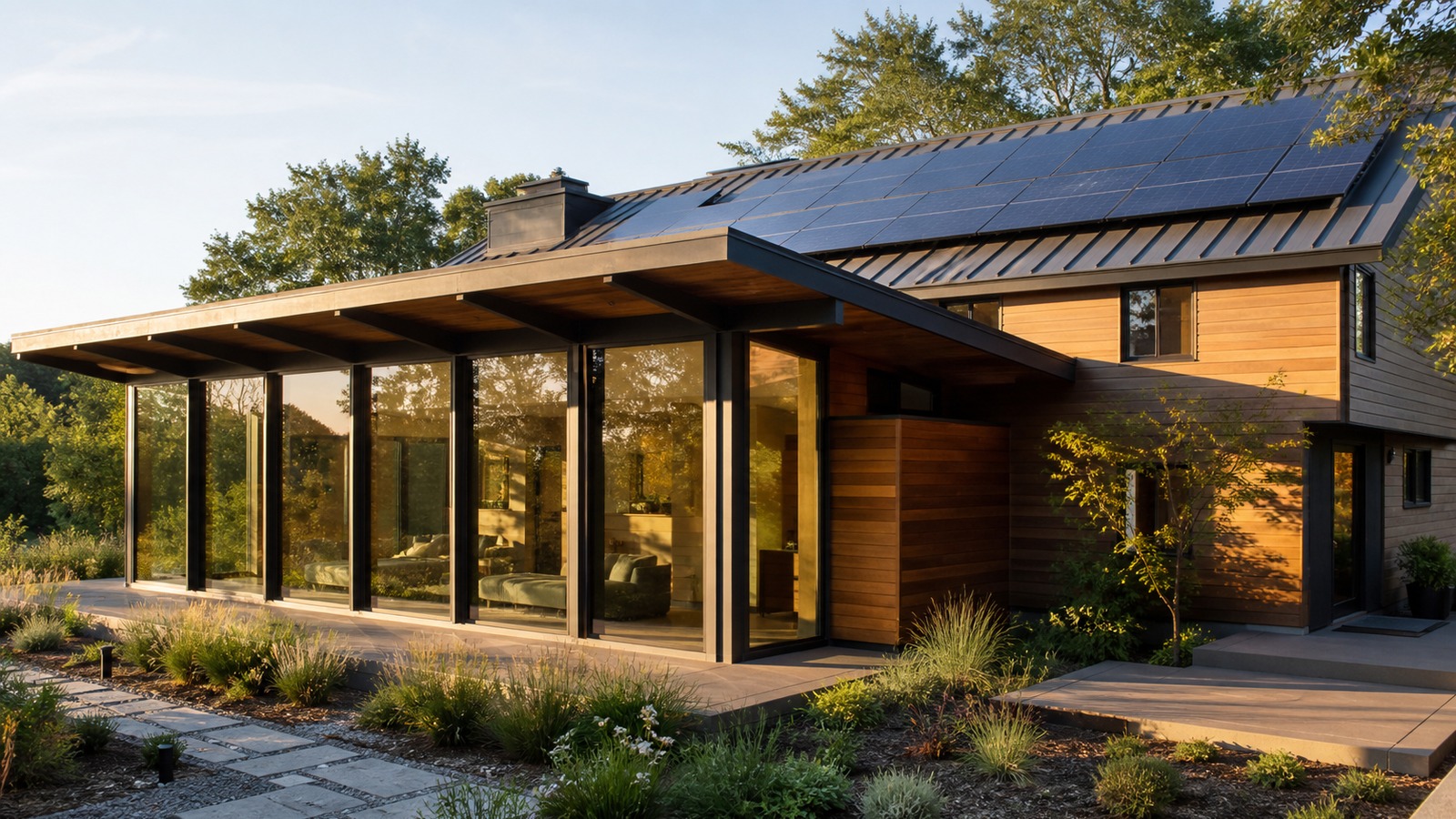
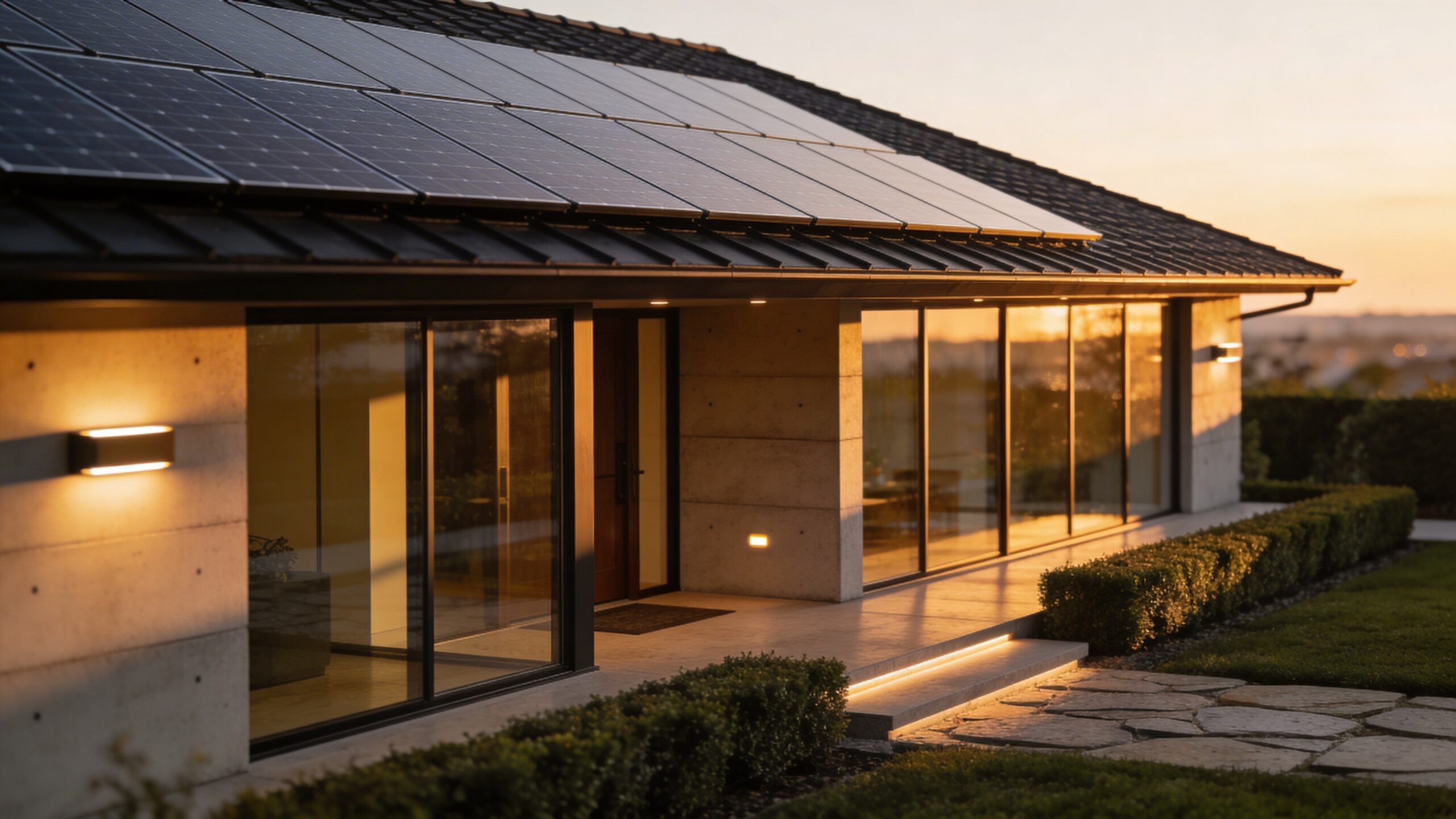
One of the strongest selling points of solar roofs is design. Standard solar panels can be effective, but not everyone loves how they look. On certain homes, panels appear like a practical upgrade. On others, they feel visually disconnected from the architecture. Solar roofs solve that challenge by creating a more unified appearance. The roofing material is designed to sit flush and follow the lines of the building. The result can feel more refined, especially on modern homes where the roof plays a major visual role in the design.
This design advantage matters to homeowners who care about curb appeal, resale presentation, or neighborhood aesthetics. It also matters to architects who want clean forms and consistent materials. When solar is integrated rather than attached, the building can preserve its visual identity while gaining renewable energy performance. That combination of beauty and function is a major reason solar roofs are often seen as the future of residential solar design.
Energy Efficiency and Performance
A solar roof is not only about looks. It is a high-performance energy system designed to lower electricity costs and increase sustainability. The exact performance of a solar roof depends on many factors, including the size of the roof, the quality of the solar materials, local climate, shading, roof orientation, and household energy use.
South-facing roofs typically offer the strongest solar production in many parts of the United States, though east- and west-facing surfaces can also contribute meaningfully. Roof pitch, local weather patterns, and nearby trees or buildings all influence how much sunlight the system receives. Energy efficiency is also shaped by the rest of the building. A well-insulated, energy-efficient home paired with a solar roof can dramatically reduce overall utility demands. Add battery storage, smart home controls, and efficient HVAC systems, and the entire structure becomes a much stronger performer. Solar roofs work best when they are part of a complete energy strategy rather than a standalone feature.
Costs, Value, and Long-Term Savings
Cost is often the first concern people raise when discussing solar roofs. In many cases, solar roofs cost more upfront than either traditional roofing materials alone or standard rooftop solar panels. That is especially true when comparing simple asphalt shingles to premium solar-integrated roofing systems. But the value calculation is more nuanced than sticker price alone. A solar roof combines two functions into one purchase: roofing and power generation. If a homeowner already needs to replace the roof, the decision becomes less about adding solar and more about choosing what kind of next roof to install.
Over time, solar roofs can reduce electricity bills, provide some insulation value depending on the system, and increase the perceived appeal of the home. In energy-conscious markets, a well-designed solar roof may also support higher property value. The long-term return depends on energy costs, installation pricing, incentives, local utility policies, and how long the homeowner plans to stay in the home. For many buyers, the appeal is not just financial. It is also the sense of investing in a more advanced and future-ready home.
Installation and Planning Considerations
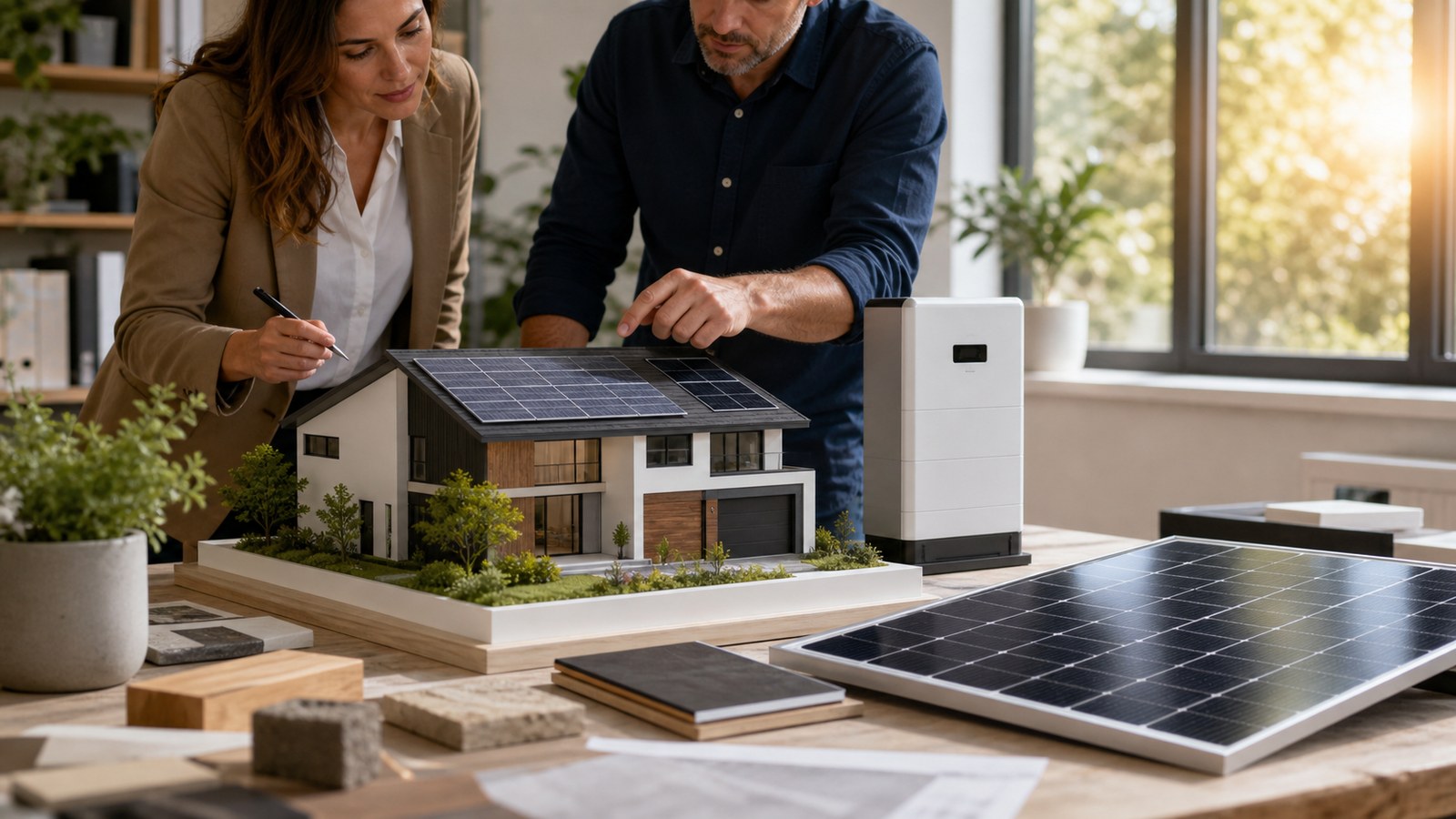
Installing a solar roof requires more planning than simply replacing shingles. The design team must consider structural requirements, electrical integration, weatherproofing, ventilation, and layout. The roof’s best sun-facing areas need to be prioritized, and non-solar sections may need to visually match the active sections. For new construction, this process is easier because the solar roof can be designed into the home from the beginning. That allows architects, builders, and solar professionals to coordinate placement, aesthetics, and system performance before construction starts.
For existing homes, solar roofs are often most practical when the roof is already near the end of its life. Replacing a perfectly good roof just to install integrated solar may not make financial sense for everyone. But when a full roof replacement is already on the horizon, solar becomes part of the conversation in a much more compelling way. The best results typically come from early planning and a realistic understanding of the home’s energy goals.
Challenges and Limitations
Solar roofs are exciting, but they are not perfect for every project. Upfront cost remains a barrier for some homeowners. Availability may also vary depending on region, installer networks, and product supply. Because installation is more specialized, not every roofing contractor is qualified to work with these systems. Efficiency can also be a talking point. In some cases, conventional solar panels may offer stronger raw efficiency or easier system expansion. If maximizing power at the lowest cost is the only goal, standard panels may still make more sense.
Repairs and maintenance can be more specialized as well. Since the roofing material and solar technology are combined, service may require expertise in both. That does not make solar roofs impractical, but it does mean homeowners should think carefully about manufacturer support, installer experience, and warranty coverage. Even with these limitations, the appeal of solar roofs continues to grow because they answer a question that older solar technologies did not fully solve: how can a home produce clean energy without looking like a compromise?
Solar Roofs and the Future of Homebuilding
The future of homebuilding is likely to be more energy-aware, more resilient, and more integrated. Solar roofs fit naturally into that future. As building codes become stricter, energy prices fluctuate, and homeowners seek smarter investments, integrated solar architecture becomes increasingly relevant. Developers may begin treating solar roofs not as luxury features but as core elements of premium and mid-range sustainable housing. Architects may use them more creatively across rooflines, canopies, and adjacent outdoor structures. As manufacturing improves and competition grows, costs may gradually become more accessible.
There is also a broader philosophical shift underway. Homes are becoming systems rather than static structures. Roofs, walls, windows, storage, energy monitoring, and smart controls are beginning to work together. In that environment, solar roofs make enormous sense. They are not simply a product. They are part of a larger evolution in how buildings function.
Why Solar Roofs Capture So Much Attention
Solar roofs capture attention because they represent more than a technical solution. They symbolize a cleaner, more elegant future. They take something ordinary and essential, the roof over your head, and transform it into something productive and forward-looking. That vision has emotional power. A solar roof suggests independence, innovation, and responsibility. It hints at a home that works harder, wastes less, and belongs to the next generation of design. It also makes renewable energy feel more personal. Instead of a utility-scale concept far away, it becomes part of daily life, built into the architecture itself. That is why the conversation around solar roofs is growing. People are not only buying electricity-producing materials. They are buying into a new way of imagining the home.
Final Thoughts on Integrated Solar Architecture
Solar roofs are one of the most exciting developments in modern building design because they merge clean energy, architectural beauty, and practical function into one system. They offer homeowners and designers a chance to move beyond add-on sustainability and toward true integration. They may not be the perfect fit for every budget or every property, but their importance is undeniable. They point toward a future in which renewable energy is built into the surfaces around us rather than attached as an afterthought. That future feels smarter, cleaner, and more refined.
As interest in sustainable design continues to rise, solar roofs are likely to become an increasingly influential part of how homes are imagined, built, and valued. They are not just a roofing trend. They are a glimpse of where architecture is going next.