Introduction to Home Solar Systems
Home solar systems have moved from futuristic luxury to mainstream household upgrade. Rising energy costs, growing environmental awareness, and technological innovation have made residential solar power more accessible than ever. For beginners, however, the world of solar can feel overwhelming. Terms like inverters, net metering, battery storage, and kilowatt production can create confusion before the journey even begins. This guide simplifies the process by explaining how solar energy works, what components make up a home solar system, and how homeowners can design, install, and benefit from a system tailored to their needs. Whether your motivation is lowering energy bills, increasing energy independence, or reducing your environmental footprint, understanding the fundamentals empowers confident decision-making.
A: Most grid-tied systems shut down for safety; battery-backed systems can provide power to selected loads.
A: Start with your annual kWh usage, roof space, and local sun hours, then size for your goals and budget.
A: Usually no—monitor performance, keep them reasonably clean, and do occasional visual checks.
A: Excess typically exports to the grid for credits (if available) or charges a battery (if installed).
A: Not always; ground mounts can work better if your roof is shaded, small, or poorly oriented.
A: Many systems produce for decades; warranties commonly cover performance for about 25 years.
A: Often yes, especially when the system is owned rather than leased, but it varies by market.
A: Often yes, but it’s easier if the original design planned for extra panels and inverter capacity.
A: Ignoring shade and roof layout—these can impact production more than most people expect.
A: If outages are common or you want backup power, yes; otherwise, many beginners start grid-tied and add later.
How Home Solar Systems Work
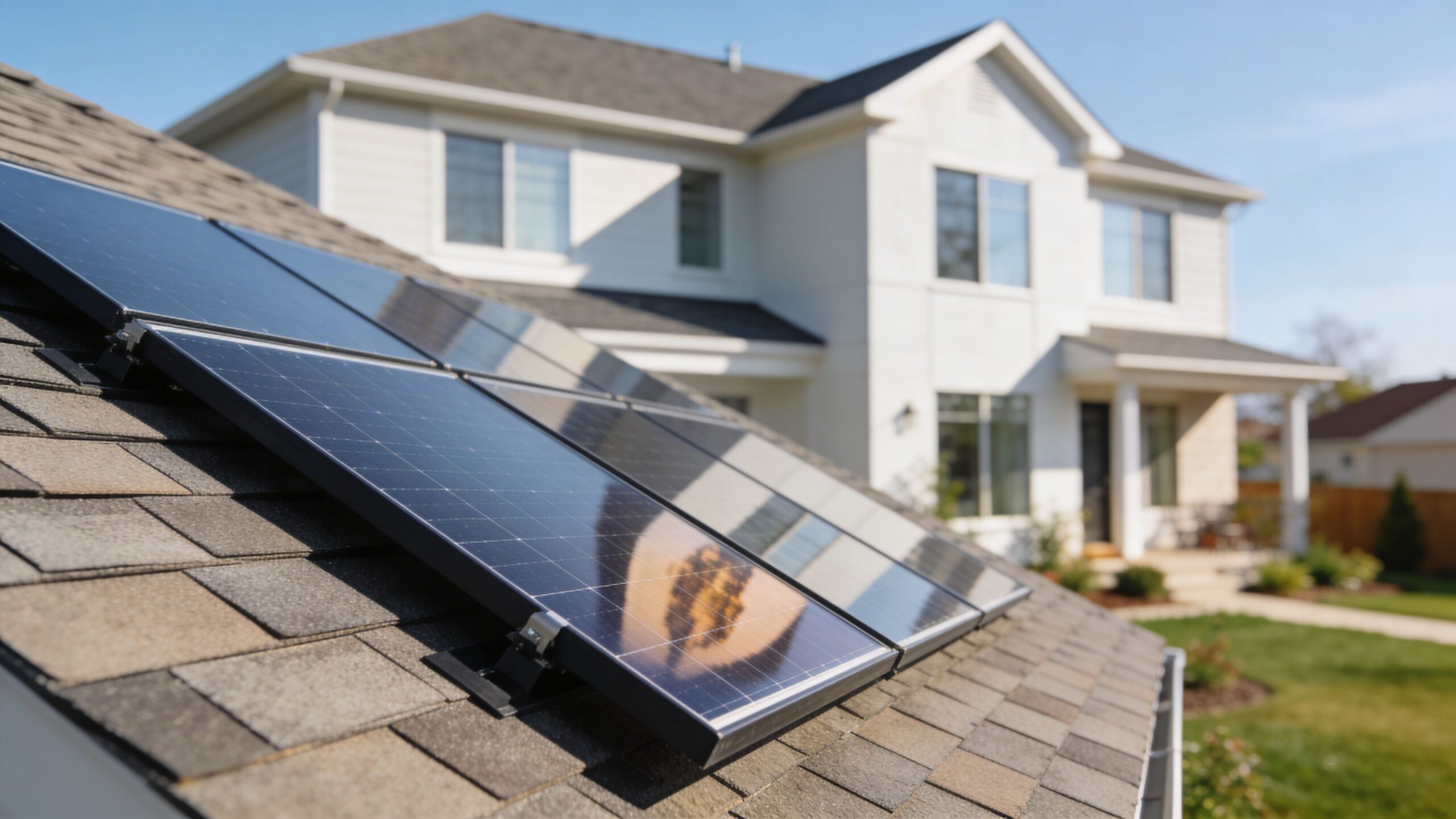
A home solar system converts sunlight into electricity using photovoltaic technology. Solar panels capture sunlight and transform it into direct current electricity. Because homes operate on alternating current power, the electricity flows through an inverter that converts it into usable energy. The generated electricity then powers appliances, lighting, and electronics throughout the home.
When solar production exceeds consumption, excess energy can be sent to the grid or stored in batteries. During nighttime or cloudy conditions, electricity can be drawn from stored energy or the grid. This dynamic exchange allows homeowners to maintain consistent power while maximizing solar benefits.
Key Components of a Home Solar System
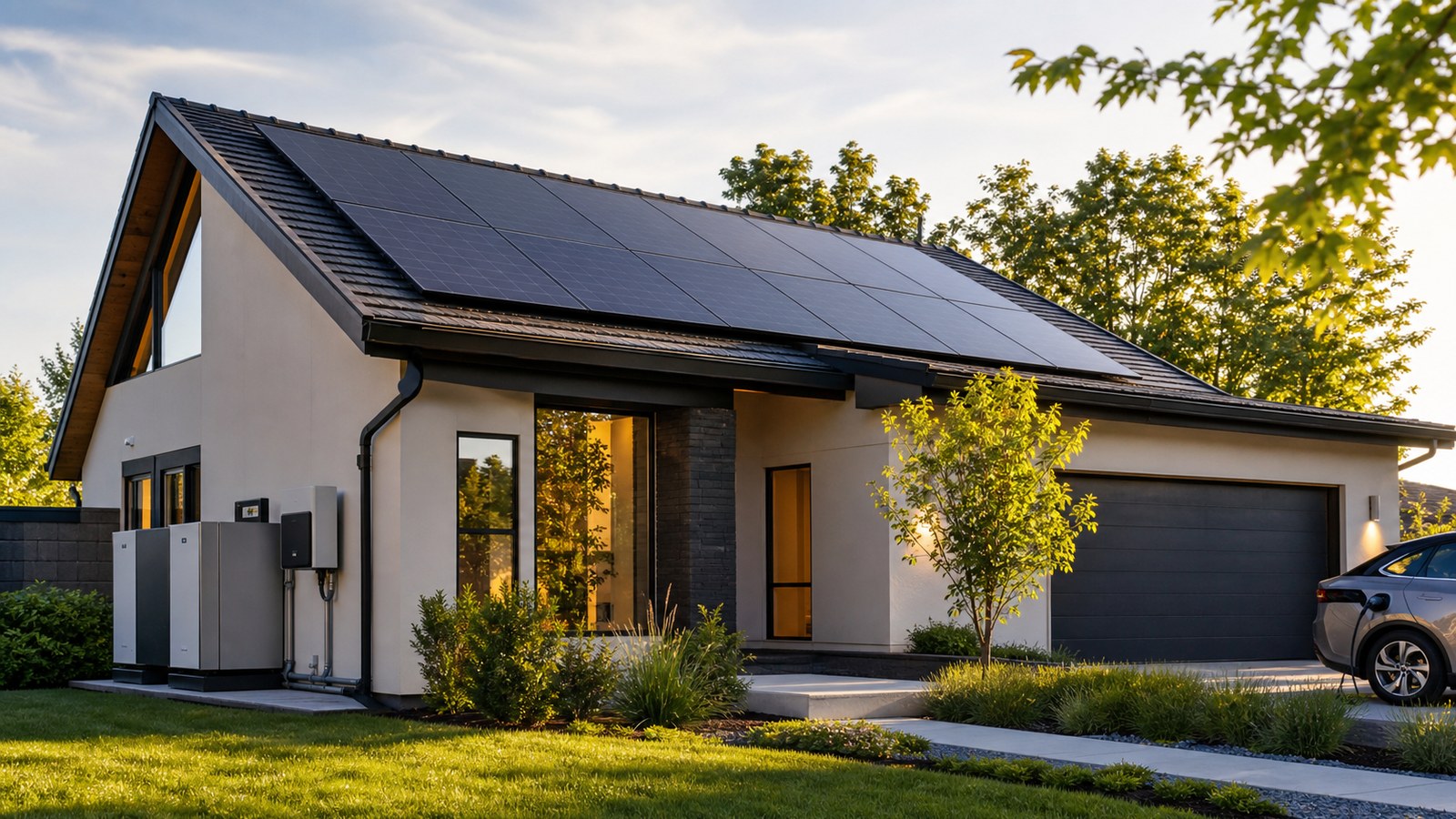
Understanding system components is essential for beginners evaluating solar options. Solar panels serve as the primary energy collectors, while inverters convert electricity into a usable format. Mounting systems secure panels to rooftops or ground structures and ensure proper orientation for sunlight exposure. Battery storage systems provide backup power and increase self-consumption of solar energy. Monitoring systems track performance, offering insights into production and consumption patterns. Electrical wiring, safety disconnects, and protection equipment complete the system infrastructure, ensuring efficient and safe operation.
Types of Home Solar Systems
Residential solar installations typically fall into three categories. Grid-tied systems connect directly to utility networks, allowing homeowners to export excess electricity and draw power when needed. These systems are the most common due to lower upfront costs and straightforward installation.
Off-grid systems operate independently of utilities and rely on battery storage for continuous power. Hybrid systems combine grid connectivity with battery storage, providing flexibility, resilience, and backup capabilities. Each system type offers distinct advantages depending on lifestyle, location, and energy goals.
Benefits of Installing Home Solar Systems
Solar energy delivers financial, environmental, and lifestyle advantages. Reduced electricity bills represent the most immediate benefit, while long-term savings accumulate as utility rates rise. Solar systems can also increase property value and enhance energy independence, particularly when paired with battery storage.From an environmental perspective, solar reduces greenhouse gas emissions and reliance on fossil fuels. Additionally, solar systems contribute to grid stability and community sustainability. Many homeowners also appreciate the resilience solar provides during power outages and emergencies.
Understanding Solar Costs and Savings
The cost of a home solar system depends on system size, equipment quality, installation complexity, and geographic location. While upfront expenses may seem significant, incentives, tax credits, and financing options can dramatically reduce costs. Over time, energy savings often offset installation expenses, creating a favorable return on investment.
Payback periods vary but generally fall within a range that aligns with the long lifespan of solar panels. With panels often lasting decades, homeowners can enjoy years of essentially free electricity after recovering initial costs.
Choosing the Right System Size
Determining the correct system size involves analyzing energy consumption patterns, roof space, and sunlight availability. Utility bills provide insight into annual electricity usage, which helps estimate required solar capacity. Orientation, shading, and local climate also influence system performance. A properly sized system balances production and consumption, maximizing financial returns while avoiding unnecessary equipment costs. Consulting professionals or using design tools can refine sizing calculations and ensure optimal system performance.
Solar Panel Technology Explained
Solar panel technology continues to evolve, offering improved efficiency and durability. Monocrystalline panels are known for high efficiency and sleek appearance, while polycrystalline panels provide cost-effective performance. Thin-film panels offer flexibility and lightweight applications but are less common in residential installations.
Efficiency ratings determine how much sunlight panels convert into electricity. While higher efficiency panels may carry higher costs, they can deliver better performance in limited roof space scenarios.
Inverters and Power Conversion
Inverters play a critical role in solar systems by converting direct current electricity into alternating current power. String inverters manage multiple panels in a series configuration, while microinverters operate individually at each panel, improving performance in shaded conditions. Power optimizers combine centralized conversion with panel-level optimization. Choosing the right inverter depends on roof complexity, shading factors, and budget considerations. Advances in inverter technology have significantly improved system reliability and monitoring capabilities.
Solar Battery Storage for Beginners
Battery storage enhances solar systems by storing excess energy for later use. This capability increases self-consumption and provides backup power during outages. Lithium-ion batteries dominate the residential market due to high energy density, long lifespan, and reliability.
For beginners, battery decisions should consider energy independence goals, outage frequency, and budget constraints. While batteries increase upfront costs, they can improve long-term resilience and flexibility.
Installation Process Overview
Solar installation begins with site evaluation and system design. Professionals assess roof structure, electrical infrastructure, and sunlight exposure before finalizing system specifications. Permitting and approvals follow, ensuring compliance with local regulations. Installation typically involves mounting panels, connecting electrical components, and integrating monitoring systems. After inspection and utility interconnection, the system becomes operational. The entire process can span weeks to months depending on regulatory requirements and project complexity.
Maintenance and System Longevity
Home solar systems require minimal maintenance due to durable materials and weather-resistant construction. Routine cleaning, occasional inspections, and monitoring system alerts help maintain performance. Inverters may require replacement sooner than panels, but overall system longevity remains strong.
Monitoring platforms allow homeowners to track production and identify performance issues early. With proper care, solar systems can deliver reliable energy generation for decades.
Incentives and Financing Options
Government incentives and financing programs play a significant role in solar adoption. Tax credits, rebates, and utility incentives can reduce installation costs and improve return on investment. Financing options include solar loans, leases, and power purchase agreements, each offering different ownership and savings structures. Understanding available incentives helps homeowners maximize financial benefits while selecting the most suitable financing strategy for their situation.
Net Metering and Grid Interaction
Net metering allows homeowners to export excess solar energy to the grid and receive credit for future consumption. Policies vary by region, but net metering can significantly enhance solar economics by balancing production and usage.
Grid interaction also ensures reliable power availability when solar production is insufficient. Hybrid systems with battery storage further enhance grid flexibility and resilience.
Common Beginner Mistakes to Avoid
Beginners often underestimate energy usage, overlook shading impacts, or focus solely on upfront costs without evaluating long-term savings. Selecting low-quality equipment or skipping professional installation can also affect system performance. Proper research, professional consultation, and realistic expectations help avoid these pitfalls and ensure a positive solar experience.
Future Trends in Home Solar Systems
The future of residential solar includes smarter energy management, improved battery technology, and integration with electric vehicles. Artificial intelligence and advanced monitoring tools are enhancing system optimization, while virtual power plant participation allows homeowners to contribute energy to broader grid networks.
Solar roof technology and modular battery solutions are also expanding design possibilities, making solar systems more adaptable to diverse home structures.
Final Thoughts
Home solar systems represent a powerful opportunity for homeowners seeking cost savings, energy independence, and environmental responsibility. While the technology may appear complex at first, understanding fundamental components, system types, and financial considerations simplifies the journey. With careful planning and informed decision-making, beginners can confidently embrace solar energy and enjoy its long-term benefits.