Four Ways to Put Sunlight to Work
A rooftop panel, a water-heating collector, a field of tracking mirrors, and a carefully shaded window can all use solar energy, yet they serve very different purposes. The useful distinction is what happens after sunlight arrives: some systems produce electricity directly, some collect heat, some turn concentrated heat into electricity, and some help a building stay comfortable through its design. Understanding those pathways makes solar terminology easier to navigate and prevents a common buying mistake: comparing equipment that solves different problems. For homeowners, the starting point is usually an energy need such as daytime electricity, domestic hot water, or reduced heating demand. For utilities and larger facilities, the discussion can also include high-temperature heat and electricity that can be generated after stored heat is released.
A: No. Thermal collectors supply heat, while PV modules produce electricity.
A: Passive design changes building energy demand rather than supplying an electrical circuit.
A: Its scale and heat-generation equipment make it a different type of project.
A: Many designs retain backup for insufficient solar heat or unusually high demand.
A: Yes, provided roof area, plumbing, access, and economics support the combination.
A: Its mirrors need a beam that can be concentrated onto a receiver.
A: Uncontrolled solar gain can overheat it; glazing and shading need coordinated design.
A: Water-heating systems and some concentrating plants use thermal storage.
A: Yes. An energy-service map helps compare alternatives that meet the same need.
A: Explain the service you want, its seasonal timing, and the property's physical limits.
Photovoltaics Turn Light Directly Into Electricity
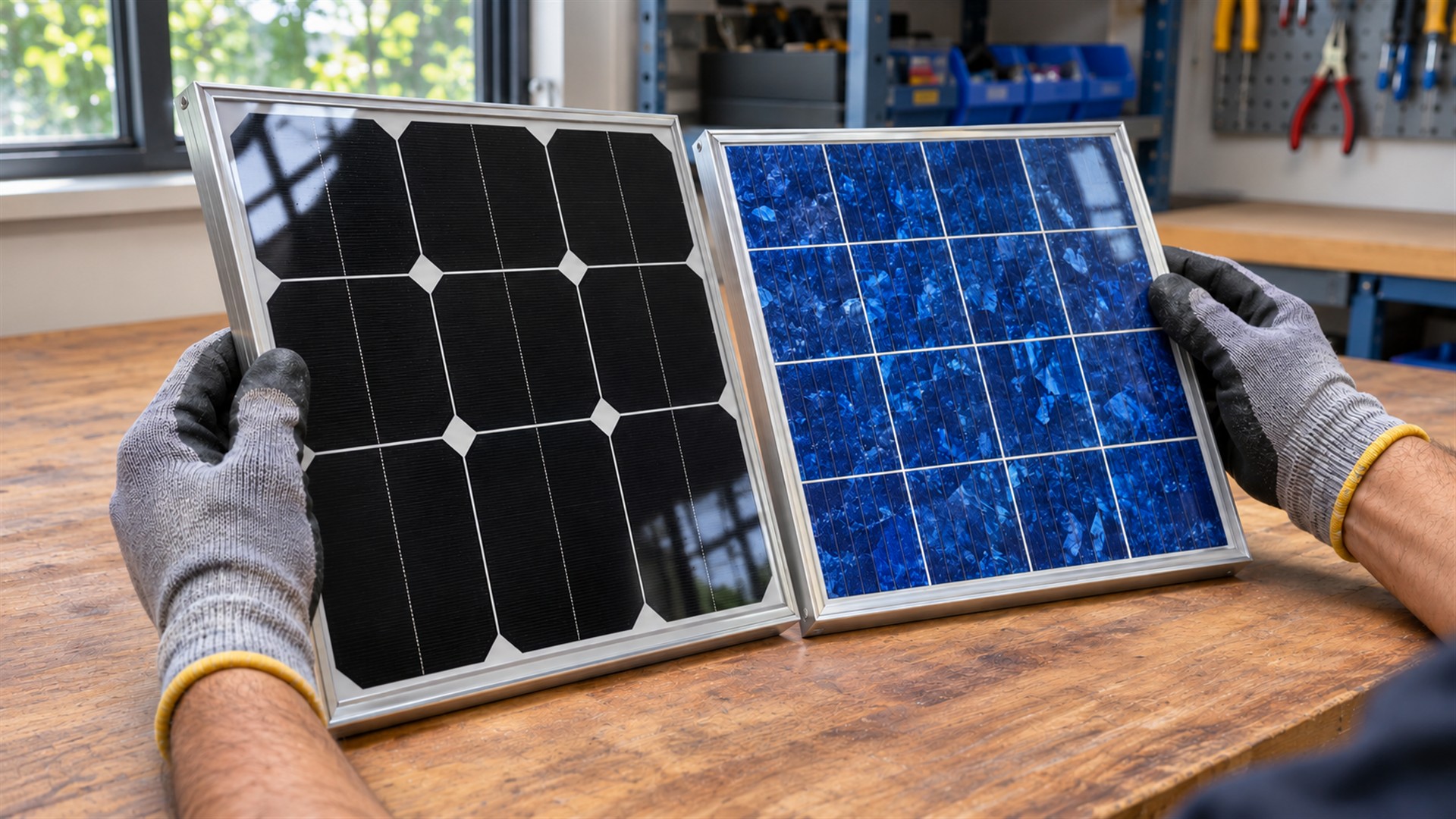
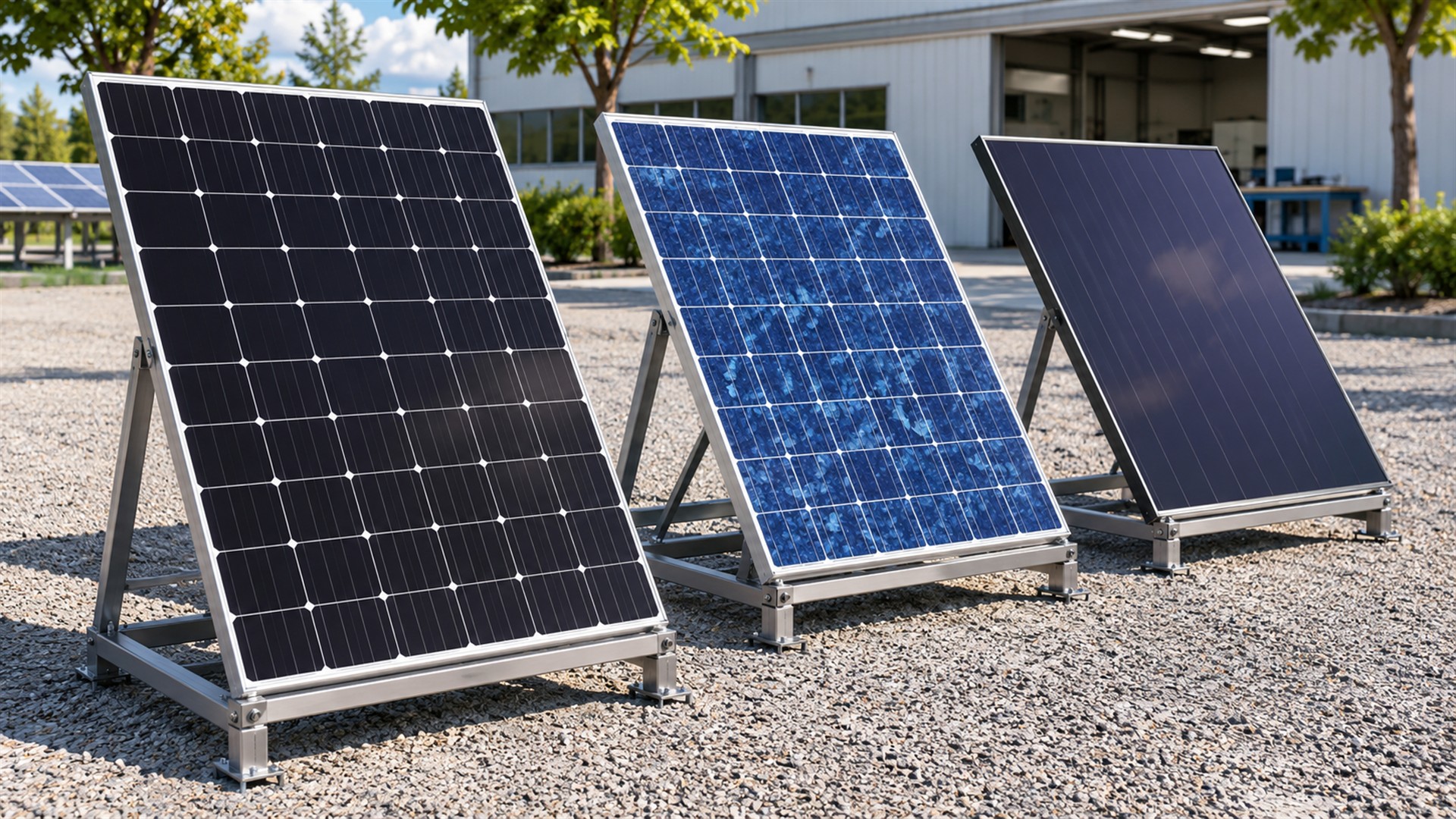
Photovoltaic technology, usually shortened to PV, uses semiconductor cells to produce electrical current when they absorb light. A collection of cells forms a module, commonly called a solar panel, and several modules form an array. There is no steam cycle inside an ordinary rooftop panel. The immediate output is direct-current electricity, which an inverter normally converts to alternating current for household appliances and connection to the electrical grid.
This direct conversion makes PV adaptable. The same underlying principle can serve a small remote sensor, a house, a warehouse, or a large power plant. The supporting equipment changes with the application: a home needs suitable mounting, wiring, protection, controls, and an approved grid connection, while an isolated cabin may also need batteries and another energy source. A proposal should therefore describe a complete electrical system rather than only the panels. The Department of Energy’s solar overview explains the distinction between direct photovoltaic conversion and concentrating solar-thermal generation.
Solar Thermal Collectors Supply Useful Heat
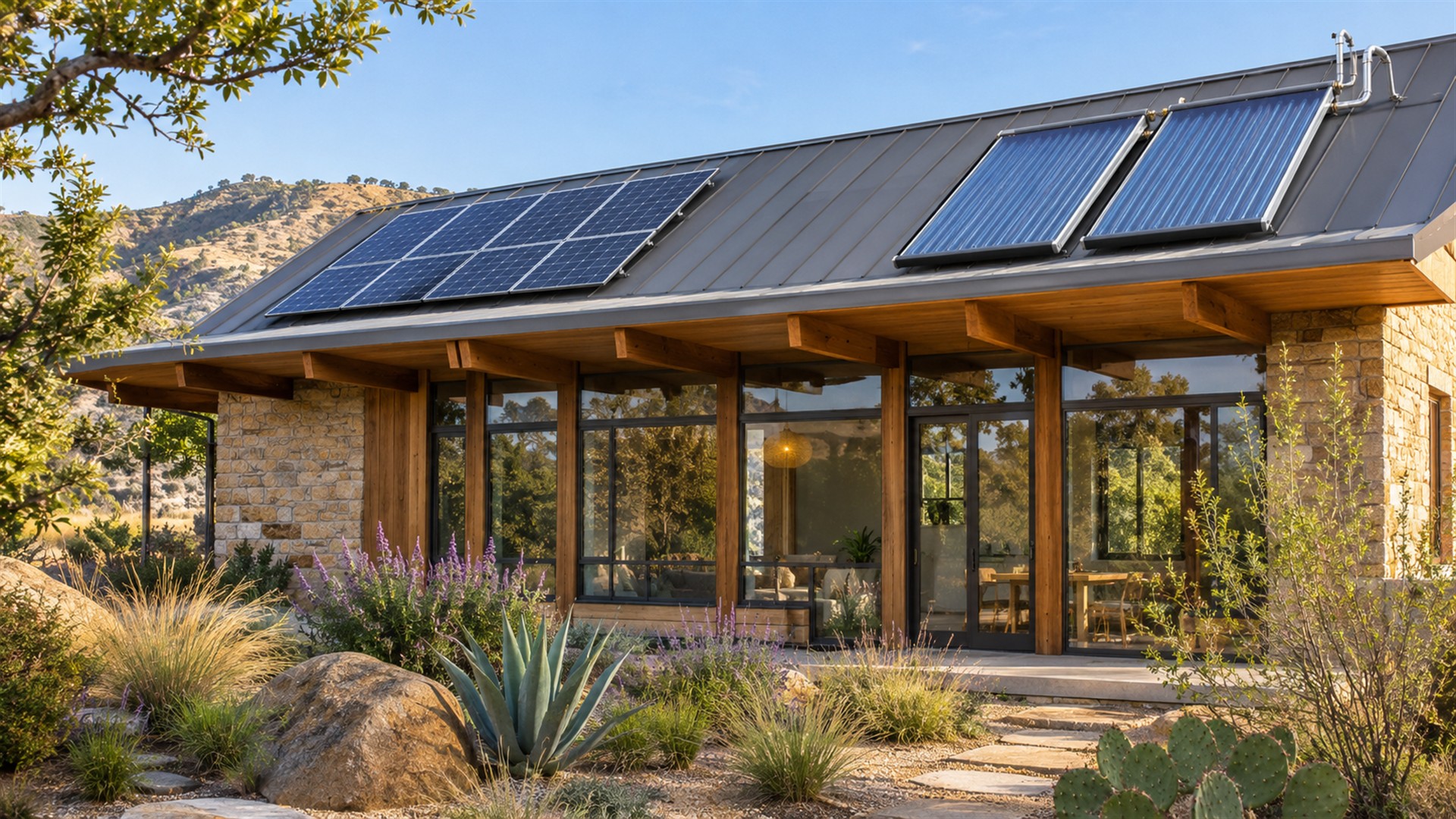
Solar thermal equipment captures sunlight as heat and transfers it to water, air, or another working fluid. A domestic solar water-heating installation may have glazed flat-plate collectors or evacuated tubes, a storage tank, and plumbing that moves heat to the water supply. That is different from using PV electricity to operate an electric water heater. Both pathways can ultimately deliver hot water, but their components, maintenance needs, and energy flows differ.
Collector performance depends partly on the temperature required. Gently warming swimming-pool water is a different task from supplying household hot water in winter. Outdoor temperature, wind, collector insulation, and the temperature of the incoming fluid affect heat losses. A collector that performs well at low temperatures should not automatically be expected to deliver the same useful output when asked to operate much hotter.
For a homeowner, compare a thermal installation with the full alternative, including the existing water heater and any backup heating. Ask how freeze protection, summer overheating, pump operation, tank replacement, and servicing are handled. Solar thermal can be an appropriate fit where heat demand and available sunlight align, but the presence of a sunny roof alone does not establish which hot-water solution is most practical.
Concentrating Solar Power Adds a Heat Engine
Concentrating solar power, or CSP, uses mirrors to direct sunlight toward a receiver, creating high-temperature heat that can drive a power-generation process. Trough collectors concentrate light along a tube; tower systems use many mirrors to concentrate it at an elevated receiver. The resulting heat can feed a steam turbine or another suitable conversion system. This additional machinery helps explain why CSP is usually discussed as a utility or industrial technology rather than a household rooftop purchase.
Some CSP designs incorporate thermal storage, allowing collected heat to be used later. Storage does not make the sun shine at night; it changes when previously captured energy is converted into electricity. Output duration depends on the storage design, operating strategy, and available heat. Developers also have to assess direct sunlight, land, transmission access, equipment upkeep, and the cooling arrangements of the chosen plant. These project requirements make CSP a different proposition from installing a conventional PV array.
Passive Solar Uses the Building Itself
Passive solar design influences how sunlight enters a building, where heat is absorbed, and how unwanted heat is limited. Window orientation, glazing, insulation, shading, thermal mass, and ventilation work together. A well-designed overhang might admit lower winter sunlight while limiting higher summer sun, although the exact dimensions depend on latitude and window geometry. The objective is comfort with less purchased heating or cooling, rather than a stream of electricity from the windows. A large unshaded glass wall can cause overheating instead of savings, so passive solar needs climate-specific design and an understanding of how the occupants actually use the rooms.
Compare the Service Before Comparing Efficiency
Efficiency numbers are useful only when the input, output, and test conditions are clear. PV efficiency describes electrical output relative to sunlight reaching a specified device area. A thermal collector’s useful output is heat, and that output depends on its operating temperature and surrounding conditions. Passive design is often evaluated through building energy demand and comfort. Ranking these approaches by a single percentage would confuse different forms of useful energy.
Imagine a household trying to reduce energy used for showers. It could consider a solar thermal water heater, or a PV system that supplies electricity to a heat-pump water heater, among other options. The comparison needs the same hot-water service, suitable storage, installation scope, maintenance expectations, and local energy prices. A high collector efficiency alone cannot settle the choice because the household buys a working hot-water system, not an isolated conversion percentage.
The same principle applies when comparing electricity generation with reduced demand. Better shading may lower an afternoon cooling load without producing any electricity. PV may supply some electricity to the air conditioner, but its output and the cooling demand will vary through the day. Evaluating both measures against the building’s actual needs can reveal a more effective combination than treating solar generation as the first and only intervention.
Sunlight Quality Changes the Technology Fit
PV can use direct sunlight and some diffuse light scattered by the atmosphere. Output generally falls when clouds reduce the sunlight reaching the array, but scattered light still contributes. Concentrating equipment depends much more strongly on direct sunlight because a mirror cannot focus light arriving from every direction into the same useful concentrated beam. A location’s broad reputation for being sunny is therefore an incomplete resource assessment.
Roof shading also has different consequences from regional weather. A chimney casting a shadow over part of an array can limit electrical production in a pattern tied to the sun’s movement. A nearby building can reduce the hours when a thermal collector receives useful sun or prevent desired winter light from entering a passive-solar room. A site review should examine seasonal exposure and obstacles in relation to the particular energy pathway being proposed.
Storage Means Different Things in Different Systems
A battery stores energy through electrochemical processes and later delivers electricity. An insulated hot-water tank retains heat for later use, while a CSP plant may use a dedicated thermal storage medium. A passive-solar building can use suitable materials to moderate temperature changes, although building thermal mass is not a precisely dispatchable household battery. These approaches all shift energy use in time, but they differ in temperature, losses, controllability, and the equipment they can serve.
For an electrical backup goal, an ordinary hot-water tank cannot replace a battery and approved backup equipment. Likewise, buying a battery does not solve an undersized hot-water system or a building that overheats through poorly shaded windows. Define the required service and duration first. A family seeking warm showers the next morning has a different storage problem from a household trying to keep a refrigerator and medical equipment operating through a power failure.
Storage sizing should also be considered alongside replenishment. A large tank may lose heat during a long cloudy interval, and a battery may not recharge adequately if winter PV production is low. The practical design question includes both the amount of energy retained and the realistic opportunities to replace what has been used. Equipment capacity without an operating plan can create a misleading impression of independence.
Several Solar Approaches Can Share One Property
A building can combine passive design, PV, and solar thermal, but roof area, access, and maintenance routes need coordination. Thermal collectors may compete with PV modules for a preferred sunny roof plane, while roof windows or shading structures affect the building design. Coordinating these features early can reduce awkward compromises. For an existing home, compare the benefits of the combined arrangement with a simpler alternative before assuming that more solar technologies automatically produce better value.
Start With an Energy Map of the Home
Separate the household’s energy services before requesting equipment proposals. Electricity may supply lighting, appliances, cooling, vehicle charging, and some heating, while gas or another fuel may serve space heating and hot water. Utility bills alone do not always reveal the end use, especially when several services share one meter. Identifying the major loads helps explain which solar pathway could actually reduce purchased energy and which needs would remain.
Next, match those loads to timing. Hot-water demand may peak before sunrise, cooling may rise in late afternoon, and heating demand may be strongest during periods of limited winter sunlight. Storage and controls can bridge some timing differences, but they introduce their own costs and losses. A useful proposal connects the annual estimate with seasonal operation instead of presenting a single attractive production figure without context.
Finally, establish the physical constraints. A roof nearing replacement, inadequate collector access, limited plant-room space, unsuitable window placement, or an inconvenient pipe route can alter the preferred approach. Some improvements are easiest during a renovation, while others can be added independently. The right sequence may start with reducing demand or repairing the building before investing in solar equipment, particularly when that work changes the size of the eventual system.
Check Who Will Maintain Each Part
Different energy pathways can require different service skills. A solar hot-water problem may involve a pump, valve, sensor, or plumbing issue, while a PV fault may require electrical diagnosis. Passive features can also need attention when occupants change blinds, add rooms, or alter landscaping. Before combining systems, identify who can explain normal operation and who will respond when the result changes. A coordinated handover helps the owner recognize which part of the property is responsible for a symptom instead of assuming that all solar equipment shares one maintenance routine. Keep that explanation with the relevant manuals and installation records.
Ask for an Explanation of the Entire Energy Path
A strong proposal lets you trace sunlight through collection, conversion, storage if present, and final use. For PV, that means understanding the array, inverter, electricity flows, and any battery or grid interaction. For thermal systems, it means understanding the collector circuit, heat exchange, tank, backup heater, and operating controls. For passive design, the explanation should connect room comfort with glazing, shading, insulation, and seasonal sun rather than relying on the word solar as a design claim.
Use that explanation to compare practical outcomes: useful energy delivered, comfort, service needs, and the amount of purchased energy likely to remain. The four approaches share a resource, but their strengths emerge from different jobs. Once the desired job is clear, the terminology becomes a tool for making decisions. You can judge whether a proposed system fits the property and its occupants without expecting every device that uses sunlight to behave like a rooftop electricity panel.