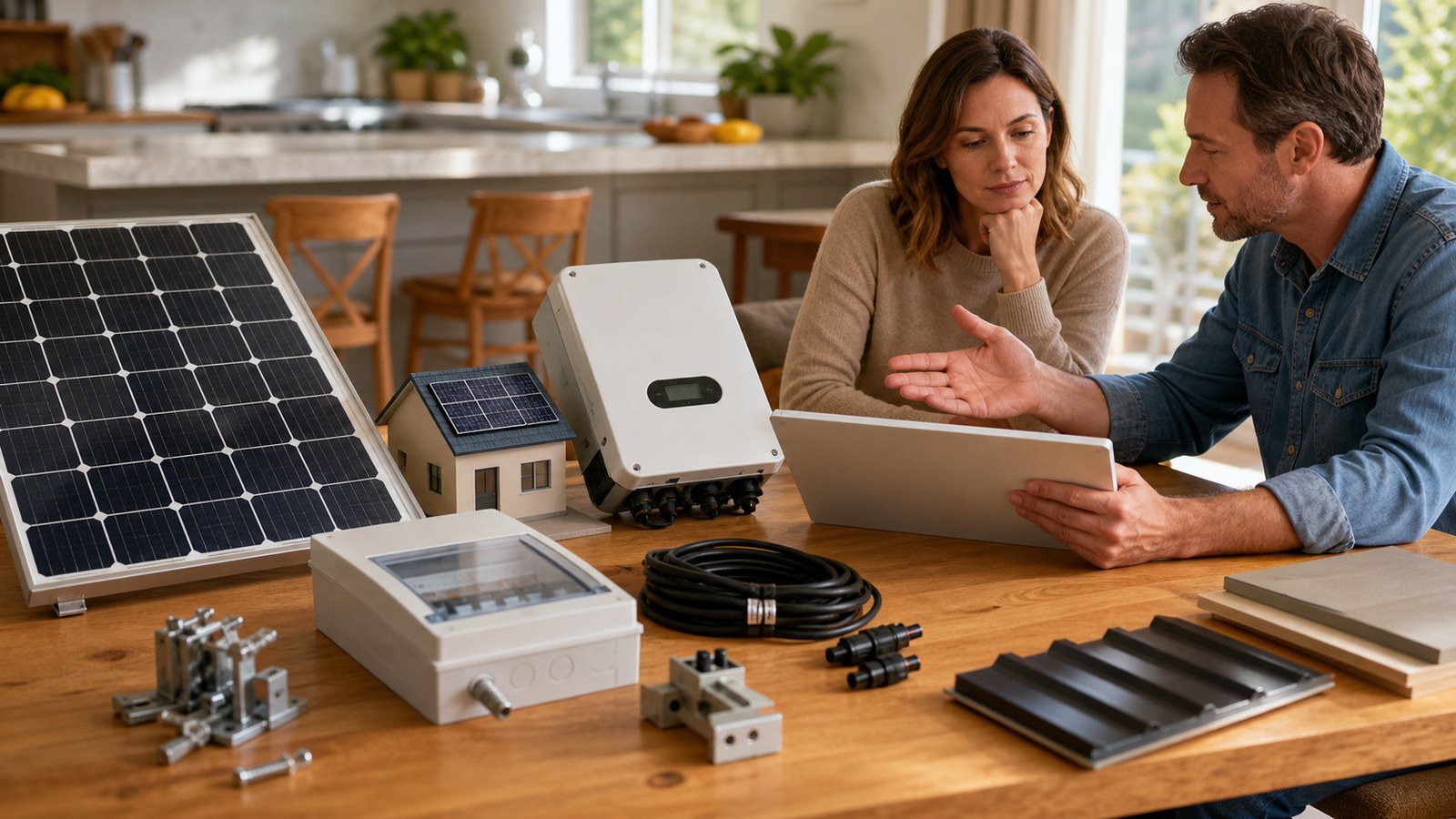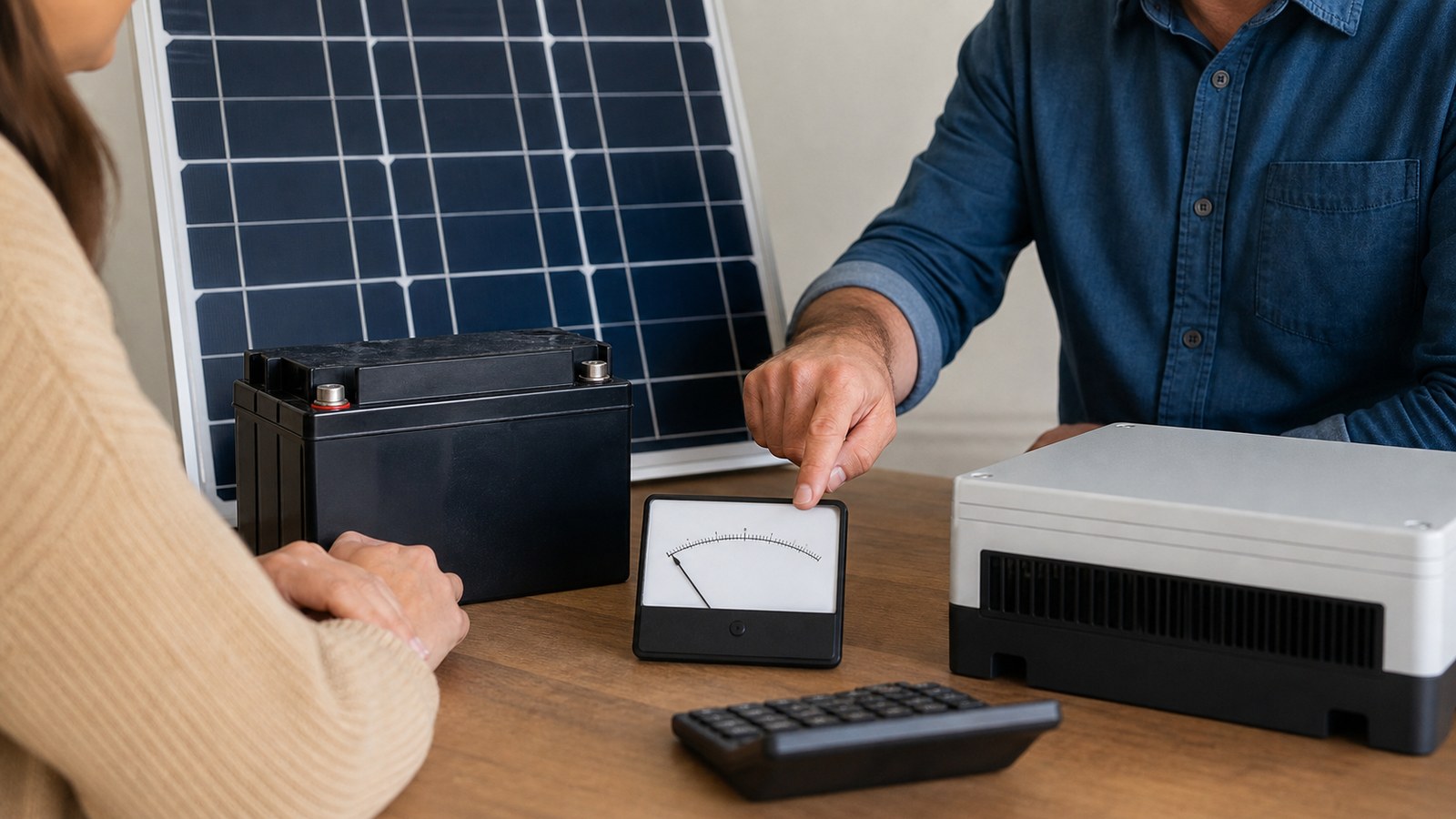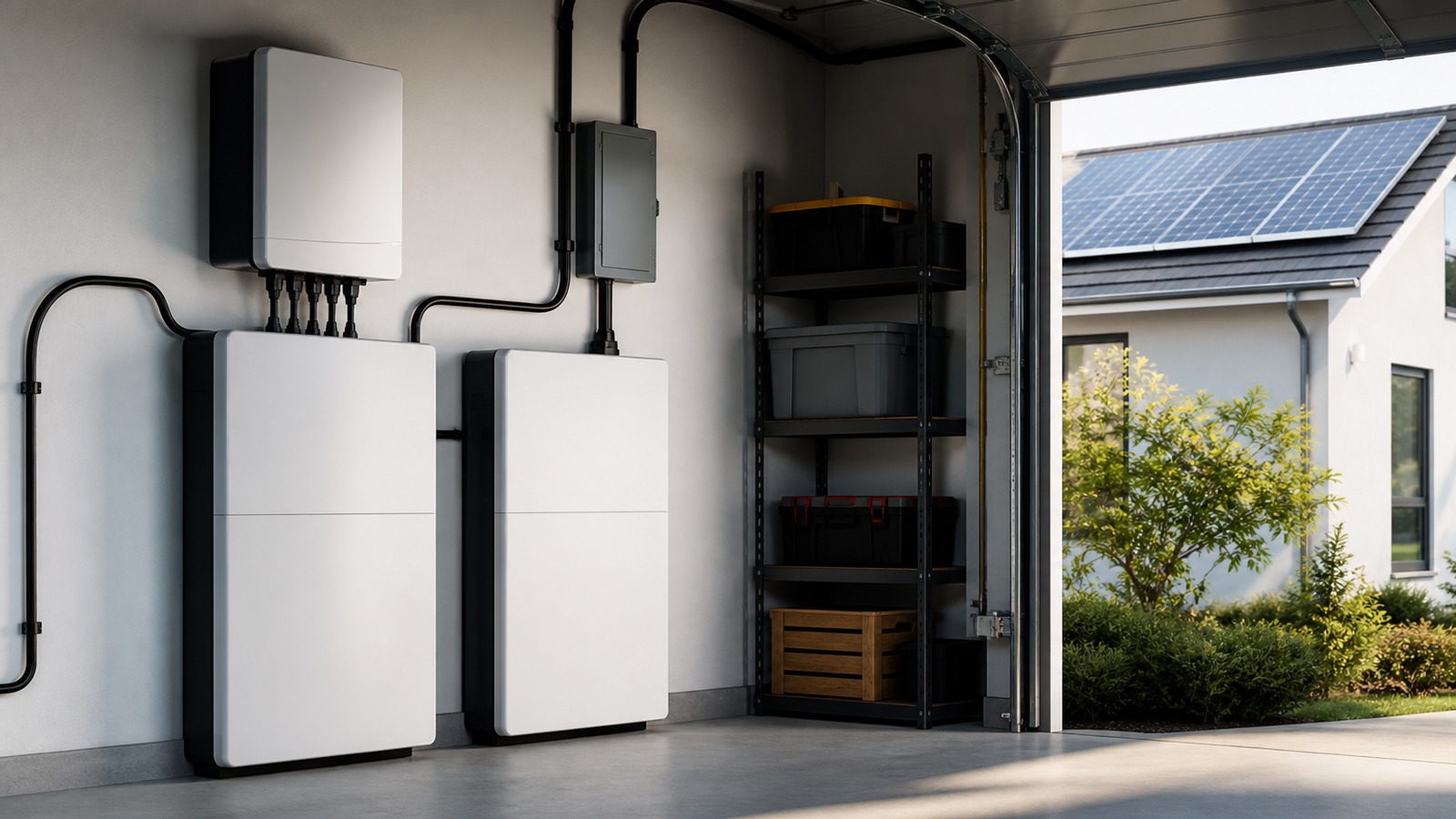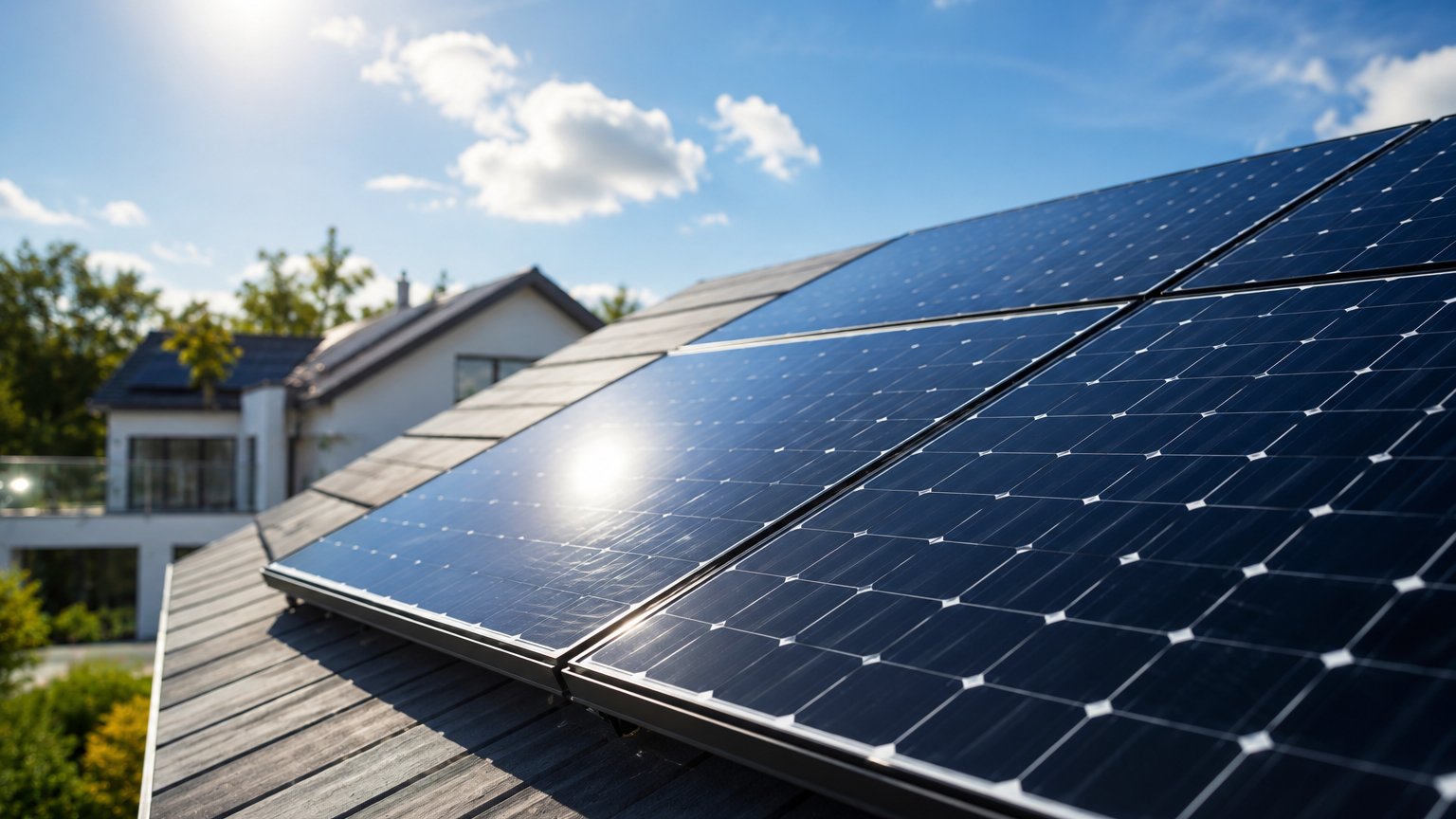
Solar panel efficiency is one of those phrases that sounds complicated the first time you hear it. It appears in product brochures, solar quotes, installer conversations, and online reviews. You may see panels described as 19%, 21%, or even 23% efficient and wonder what those numbers actually mean for your home, your roof, and your electric bill. In plain English, solar panel efficiency tells you how good a solar panel is at turning sunlight into usable electricity. The higher the efficiency, the more electricity a panel can produce from the same amount of sunlight and the same amount of roof space. That does not mean the most efficient panel is always the best choice for every homeowner. It simply means the panel can capture more energy from the sunlight that hits it. Solar efficiency is important, but it is only one piece of the bigger solar decision. Cost, roof size, shade, climate, warranties, system design, and energy needs all matter too. Understanding solar panel efficiency helps you compare your options with confidence. It helps you see past flashy marketing claims and focus on what really affects performance. Most importantly, it helps you choose a solar system that makes sense for your home.
A: No. Nighttime power comes from the grid, a battery, or another energy source.
A: Yes, but production is usually lower than it is under strong direct sunlight.
A: Not always. Many systems are grid-tied without batteries, while backup designs need storage or another backup source.
A: Many panels are designed for decades of service, with gradual output loss over time.
A: Sometimes it can reduce energy charges greatly, but fixed fees, seasonal use, and utility rules still matter.
A: Standard grid-tied systems usually shut down unless approved backup equipment is installed.
A: It should be checked carefully because roof replacement after installation can require panel removal and reinstallation.
A: They can help when space is limited, but cost, warranty, layout, and total production matter too.
A: Owners usually watch monitoring, keep panels reasonably clear, and arrange service when output or equipment looks abnormal.
A: Review energy use, roof condition, shade, utility rules, goals, and realistic budget before comparing systems.
What Solar Panel Efficiency Really Means
Solar panel efficiency measures how much sunlight a panel converts into electricity. If a solar panel has 20% efficiency, that means it converts about 20% of the sunlight that reaches its surface into usable electrical energy. The remaining sunlight is reflected, converted into heat, or otherwise not captured as electricity. This may sound low at first, but it is actually impressive. Sunlight is a broad mix of energy, and solar panels can only convert certain portions of it into electricity. Modern panels use advanced photovoltaic cells designed to capture as much usable light as possible.
The key idea is simple: efficiency is about conversion. A more efficient panel gets more electricity out of the same sunshine. Imagine two solar panels sitting side by side on the same roof. They are the same size and receive the same sunlight. One has 18% efficiency, and the other has 22% efficiency. The 22% panel will usually produce more electricity because it converts more of that sunlight into power. That is the heart of solar panel efficiency.
Why Solar Panel Efficiency Matters for Homeowners
Efficiency matters most when space is limited. If your roof has plenty of open, sunny area, you may be able to install more panels and still meet your energy goals with standard-efficiency equipment. But if your roof is small, partially shaded, or broken up by vents, chimneys, skylights, or dormers, higher-efficiency panels can help you generate more electricity from limited space.
This is especially important for homeowners with high electricity usage. If you run central air conditioning, charge an electric vehicle, use electric heating, or power a large household, your energy needs may be significant. Higher-efficiency panels can help squeeze more production out of the available roof area. Efficiency can also affect the overall look of the solar installation. Since more efficient panels produce more power per panel, some homes may need fewer panels to reach a target system size. That can create a cleaner, more streamlined rooftop appearance.
However, efficiency should not be viewed in isolation. A slightly less efficient panel with a strong warranty, good durability, and a lower price may be a better value than a premium panel with the highest efficiency rating. The best solar choice is usually the one that balances performance, price, reliability, and long-term savings.
Solar Efficiency Versus Solar Panel Wattage
Many homeowners confuse efficiency with wattage. They are related, but they are not the same thing. Wattage tells you how much power a solar panel can produce under standard test conditions. Efficiency tells you how well the panel converts sunlight into electricity based on its surface area. A larger panel may have a higher wattage simply because it is physically bigger, not because it is more efficient. A smaller panel with excellent technology may have lower total wattage but higher efficiency.
For example, one panel might be rated at 400 watts with 20% efficiency. Another might be rated at 430 watts with 21.5% efficiency. The second panel is both higher wattage and more efficient, but those numbers describe different qualities. Wattage helps determine system size. Efficiency helps determine how much power can be generated from a given amount of space. For homeowners, the real question is not just “What is the efficiency rating?” It is “How much energy will this system produce on my roof over time?”
What Affects Solar Panel Efficiency?
Solar panel efficiency is influenced by the technology inside the panel, but real-world performance is affected by many outside conditions. Sunlight intensity plays a major role. Panels produce more electricity in strong, direct sunlight than in weak or filtered light. Roof angle and direction also matter. In many locations, south-facing panels receive excellent sun exposure, but east- and west-facing panels can still perform well depending on the design.
Shade is one of the biggest enemies of solar production. Even partial shade from trees, chimneys, nearby buildings, or roof features can reduce output. Modern inverters and optimizers can help manage shade, but they cannot make shaded panels perform like panels in full sun. Temperature also affects performance. Solar panels love sunlight, but they do not love extreme heat. As panels get hotter, their efficiency can drop slightly. This is why panels may sometimes perform very well on cool, sunny days.
Dirt, dust, pollen, leaves, bird droppings, and snow can also reduce the amount of sunlight reaching the cells. Most panels are designed to handle outdoor conditions, and rain often helps clean them naturally, but heavy buildup can reduce production. Panel age matters too. Solar panels slowly degrade over time, meaning they produce slightly less electricity each year. High-quality panels usually degrade gradually and continue producing power for decades.
Types of Solar Panels and Efficiency
Most residential solar panels use silicon-based photovoltaic technology. The two most common categories are monocrystalline and polycrystalline panels. Monocrystalline panels are typically more efficient and more visually uniform. They are made from single-crystal silicon cells and are often used in modern residential installations. Their higher efficiency makes them a popular choice for homeowners who want strong performance from limited roof space.
Polycrystalline panels are usually less efficient but may cost less. They are made from multiple silicon fragments melted together. While they were once very common, they have become less dominant in the residential market as monocrystalline technology has improved and become more affordable. There are also thin-film solar panels, which are lightweight and flexible in some applications. However, they are generally less common for standard residential rooftops because they usually require more space for the same output. For most homeowners, monocrystalline panels are the main option presented by solar installers today, especially when efficiency and appearance are priorities.
Is Higher Efficiency Always Better?
Higher efficiency sounds better, and in many cases it is. But it is not always the most cost-effective choice. Premium high-efficiency panels often cost more. If your roof has limited space, that extra cost may be worth it because you need every available square foot to work harder. But if you have a large roof with excellent sun exposure, you may achieve your energy goals with slightly lower-efficiency panels at a better overall price.
Think of it like buying a vehicle. A high-performance car may be impressive, but it is not automatically the best choice for every driver. What matters is how well it fits your needs, budget, and long-term goals. The best solar panel is not always the one with the highest efficiency number. It is the panel that helps your complete system produce reliable energy at a strong value over many years. A professional solar design should look at your roof, electricity usage, utility rates, local incentives, and future energy plans. Efficiency matters, but system performance matters more.
How Efficiency Impacts Solar Savings
Solar savings come from producing electricity that offsets what you would otherwise buy from the utility. The more energy your system produces, the more potential savings you may see. Higher-efficiency panels can increase production from the same roof area, which may improve savings if your roof space is limited. They can also help homeowners fit a larger system on a smaller roof.
However, savings depend on more than panel efficiency. Utility rates, net metering policies, installation cost, financing terms, tax incentives, and household consumption all influence the financial outcome. A high-efficiency system that is poorly designed, badly shaded, or overpriced may not deliver the best return. A moderately efficient system with excellent placement and fair pricing may perform beautifully. Efficiency helps create savings potential, but thoughtful design turns that potential into real-world value.
Solar Panel Efficiency in Real-World Conditions
The efficiency rating printed on a solar panel specification sheet is measured under standard test conditions. These conditions are useful for comparing panels, but your roof is not a laboratory. Real-world performance changes throughout the day and year. Morning and evening sunlight arrives at lower angles. Clouds reduce sunlight intensity. Summer heat can reduce panel output. Winter days may be shorter, but cooler temperatures can help panels operate efficiently when sunlight is strong.
This does not mean efficiency ratings are misleading. It means they are a controlled baseline. They help compare one panel to another, but they do not predict exact production on your specific roof. That is why solar installers use modeling software to estimate annual production based on your location, roof tilt, roof direction, shade, weather patterns, and equipment choices. The efficiency rating is important, but the full production estimate is usually more useful.
How to Compare Solar Panels Like a Smart Homeowner
When comparing solar panels, start with efficiency, but do not stop there. Look at the panel wattage, product warranty, performance warranty, degradation rate, manufacturer reputation, and installed cost. The product warranty covers defects and equipment issues. The performance warranty explains how much output the panel is expected to retain over time. A strong performance warranty can be just as important as a high efficiency rating because solar is a long-term investment.
Also pay attention to how the system is designed. Panel placement, inverter selection, roof layout, and shade management can make a major difference in production. Ask your installer how much energy the system is expected to produce annually, not just how efficient the panels are. Annual energy production is what affects your utility bill. A homeowner who understands these details can compare quotes more intelligently and avoid choosing based on one number alone.
Common Myths About Solar Panel Efficiency
One common myth is that solar panels need hot weather to work well. In reality, panels need sunlight, not heat. They often perform best in bright, cool conditions. Another myth is that low efficiency means low quality. That is not always true. Some panels with moderate efficiency are durable, reliable, and cost-effective. Efficiency is only one measure of performance.
Some homeowners also believe solar panels stop working on cloudy days. They do not. Production drops when sunlight is reduced, but panels can still generate electricity from diffuse light. Another misconception is that efficiency determines the entire value of a solar system. It does not. A solar system’s value depends on total energy production, cost, incentives, electricity rates, and long-term reliability.
The biggest myth may be that the highest-efficiency panel is automatically the smartest purchase. Sometimes it is. Sometimes it is not. The smartest solar system is the one designed around your home’s real needs.
What Is a Good Solar Panel Efficiency Rating?
For modern residential solar panels, efficiency ratings commonly fall somewhere around the high teens to low twenties. Premium panels may reach higher levels, while older or budget panels may sit lower. A “good” efficiency rating depends on your situation. If your roof has plenty of space, a standard modern panel may be perfectly adequate. If your roof is compact or your electricity usage is high, a higher-efficiency panel may be more valuable.
Instead of chasing the highest number, focus on whether the system can produce enough electricity for your goals at a price that makes sense. Good efficiency is efficiency that works for your roof, your budget, and your long-term energy plan.
How Homeowners Can Improve Solar Performance
You cannot change a panel’s factory efficiency rating after it is made, but you can help your system perform closer to its potential. Good design is the first step. Panels should be placed where they receive strong sunlight with minimal shade. Roof angle and orientation should be considered carefully. Keeping panels reasonably clean can also help. In many areas, rainfall handles most cleaning naturally. In dusty climates or areas with heavy pollen, occasional professional cleaning may be useful.
Trimming trees that cast shade on the array can improve production. Monitoring system performance can help catch issues early. If production suddenly drops, there may be an inverter issue, shading change, debris problem, or equipment fault. Energy efficiency inside the home also matters. When your home uses less electricity, your solar system can offset a larger share of your total consumption. Upgrading insulation, sealing air leaks, using efficient appliances, and installing smart thermostats can all make solar power go further.
Why Efficiency Will Keep Improving
Solar technology continues to advance. Manufacturers are constantly improving cell design, panel materials, manufacturing methods, and energy capture techniques. As efficiency improves, homeowners can generate more electricity from the same roof space. This is especially important as homes add electric vehicles, heat pumps, induction cooking, battery storage, and other electric technologies. Future solar panels may become more powerful, more durable, and better integrated into buildings. But homeowners do not necessarily need to wait for the next breakthrough. Modern solar panels are already capable of delivering strong long-term performance. The best time to go solar depends on your energy costs, available incentives, roof condition, and financial goals. Future technology may improve, but current systems can already provide meaningful savings and cleaner energy.
Final Thoughts
Solar panel efficiency simply means how well a panel converts sunlight into electricity. A higher-efficiency panel produces more power from the same amount of sunlight and space, which can be especially useful for homes with limited roof area or high energy needs. But efficiency is not the whole story. The best solar decision considers total system production, cost, warranty strength, roof conditions, installer quality, and long-term savings.
When you understand efficiency in plain English, solar shopping becomes much easier. You can compare quotes with confidence, ask better questions, and choose a system designed to perform well for years. Solar panel efficiency may sound technical, but the idea is beautifully simple: better sunlight conversion means more usable power from your roof. For homeowners ready to take control of energy costs and invest in clean power, that understanding is a bright place to begin.