A New Way to Think About Power
Living the solar life in 2026 means much more than placing a few panels on a roof and watching the electric bill shrink. It means rethinking how energy fits into everyday life. For beginners, that shift can feel exciting, empowering, and a little overwhelming at first. Solar power is no longer just a futuristic upgrade or a niche environmental statement. It has become a practical lifestyle choice for people who want more control over their homes, their budgets, and their long-term energy future. Energy independence is the idea that your home can produce a meaningful portion of the power it uses rather than depending entirely on outside sources. That does not always mean going fully off-grid. For many households, it means reducing reliance on utility companies, protecting against rising rates, and building a more resilient home. In 2026, the solar lifestyle is defined as much by mindset as by equipment. It is about awareness, planning, efficiency, and freedom.
A: No. Many solar homes stay grid-connected while still gaining more independence.
A: Start by understanding your household’s current energy use and where waste happens.
A: Not always, but they make solar far more flexible and useful after dark.
A: Yes, if the system is sized correctly and paired with smart energy planning.
A: Usually yes, but in simple ways like shifting heavy usage into sunny hours.
A: No. Smaller, efficient homes can be excellent candidates for solar living.
A: Good roof exposure, efficient appliances, quality insulation, and smart load management.
A: Yes. Many homeowners use daytime solar output to support vehicle charging.
A: Only if your setup includes suitable battery backup and critical load planning.
A: Savings matter, but many people also want resilience, control, and long-term independence.
What Energy Independence Really Means
For beginners, the phrase energy independence can sound absolute, as if a home must disconnect completely from the grid to qualify. In reality, it exists on a spectrum. Some households use solar panels to offset a portion of their electricity use. Others combine solar with battery storage to keep the lights on during outages and cover nighttime needs. A smaller group designs fully self-sustaining systems with little or no outside support. All of these can be part of the solar lifestyle.
What matters most is that the relationship with power changes. Instead of treating electricity as an invisible service that simply arrives when needed, solar homeowners begin to understand production, storage, consumption, and timing. They pay attention to when power is generated, how much is being used, and where efficiency can improve results. That awareness is often the first true step toward independence.
Why Solar Living Feels Different in 2026
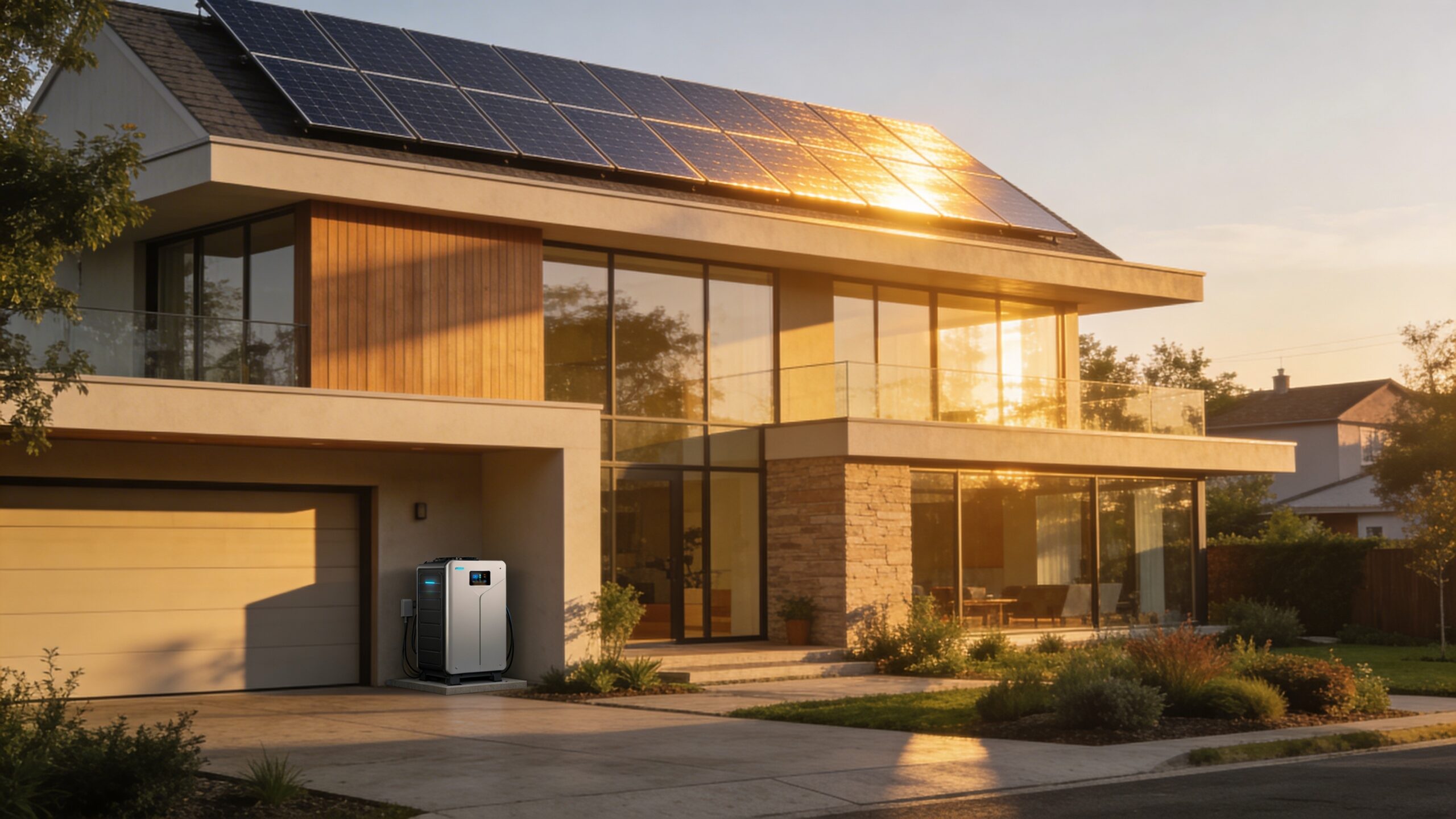
Solar living in 2026 feels different from earlier eras because the technology is more integrated, more intuitive, and more lifestyle-friendly. Solar panels are more common, battery systems are more capable, and smart home tools make it easier to monitor and manage household energy in real time. The experience is less about manual adjustments and more about designing a home that works intelligently with the energy it creates. This is also the moment when solar has moved into mainstream culture. It is no longer unusual to see solar-equipped homes in suburbs, rural communities, and new developments. People now think about their rooftops as productive surfaces. Garages house battery storage. Electric vehicles connect naturally to solar plans. Energy is no longer just consumed. It is generated, stored, scheduled, and optimized.
How a Solar-Powered Home Works
At the heart of the solar lifestyle is a simple idea: sunlight becomes electricity. Solar panels collect sunlight and convert it into usable power. That electricity can run lights, appliances, climate systems, and electronics throughout the day. If a system produces more than the home needs in a given moment, that extra power can often be stored in batteries or sent elsewhere depending on the home’s setup.
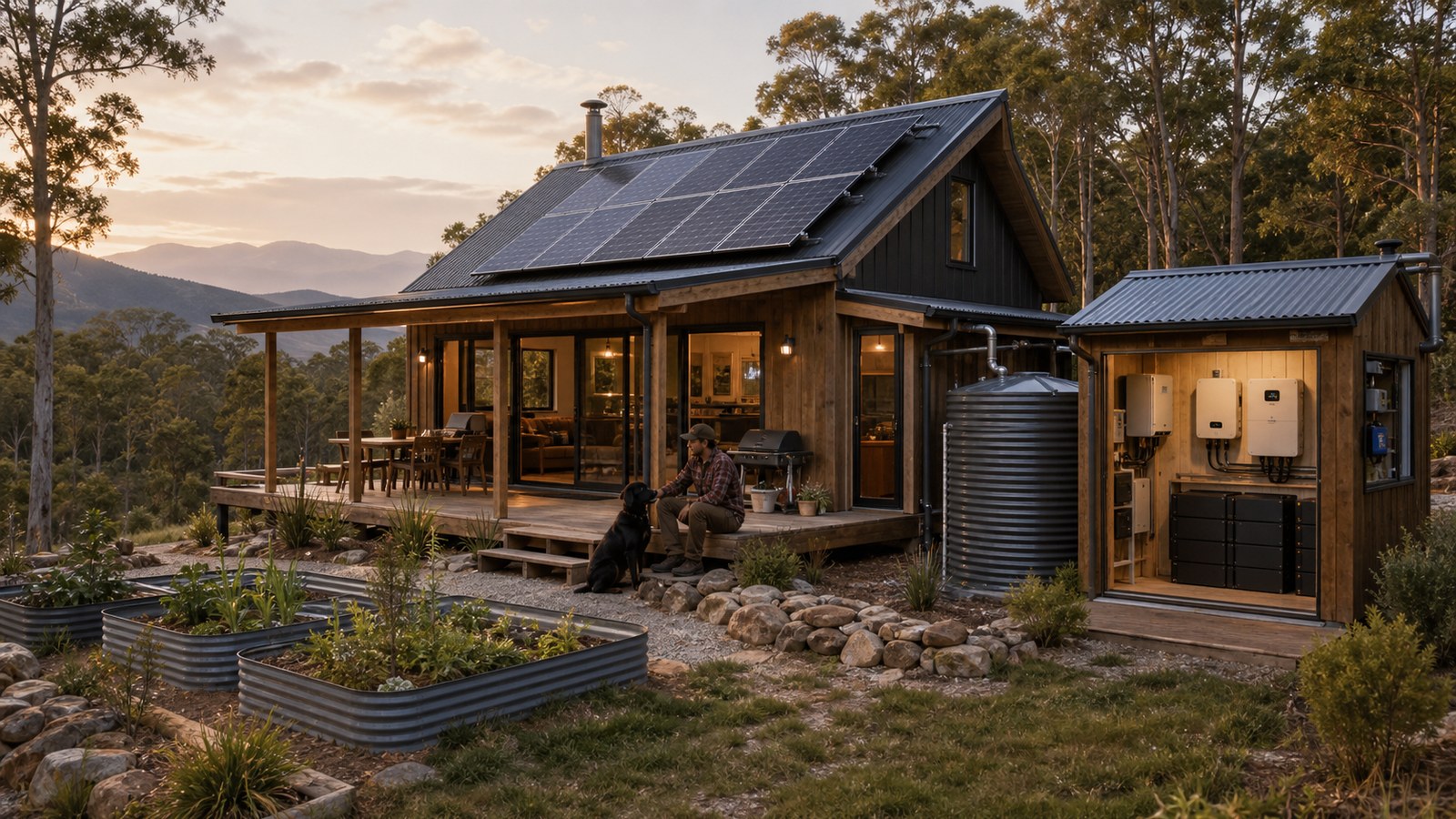
For beginners, it helps to think of a solar-powered home as an ecosystem. The panels gather energy, the inverter prepares it for household use, and the battery stores what is not immediately needed. A smart monitoring system helps show what is happening behind the scenes. Together, these elements create a more visible and understandable energy flow. Instead of one-way dependence, the home becomes an active participant in its own power story.
The Daily Habits of Solar Living
One of the most interesting parts of the solar lifestyle is how it gently reshapes daily routines. Beginners often assume solar living requires sacrifice or inconvenience, but in many cases it simply encourages smarter timing. High-energy tasks such as laundry, dishwashing, or vehicle charging are often easier to schedule during the day when solar production is strongest. That shift can improve efficiency without making life feel restricted. Over time, solar homeowners tend to become more aware of patterns. They notice which appliances draw the most energy, when their home is most efficient, and how weather or seasons affect power generation. That awareness can lead to better habits without adding stress. The result is not a rigid lifestyle. It is a more intentional one. In that sense, living with solar often feels less like compromise and more like clarity.
Solar Panels Are Only the Beginning
Many beginners think going solar begins and ends with panels, but panels are only one part of the larger system. A truly strong solar lifestyle depends on the home’s overall efficiency. Insulation, windows, HVAC performance, lighting choices, and appliance quality all affect how much energy the home needs in the first place. A wasteful house with solar is still a wasteful house. A well-designed home with solar becomes much more powerful.
That is why energy independence starts with reducing unnecessary demand. Efficient lighting, smart thermostats, better insulation, and mindful device use help make every kilowatt count. In 2026, the most successful solar homes are not only generating clean energy. They are also designed to use energy wisely. That combination is what creates real long-term value.
The Importance of Battery Storage
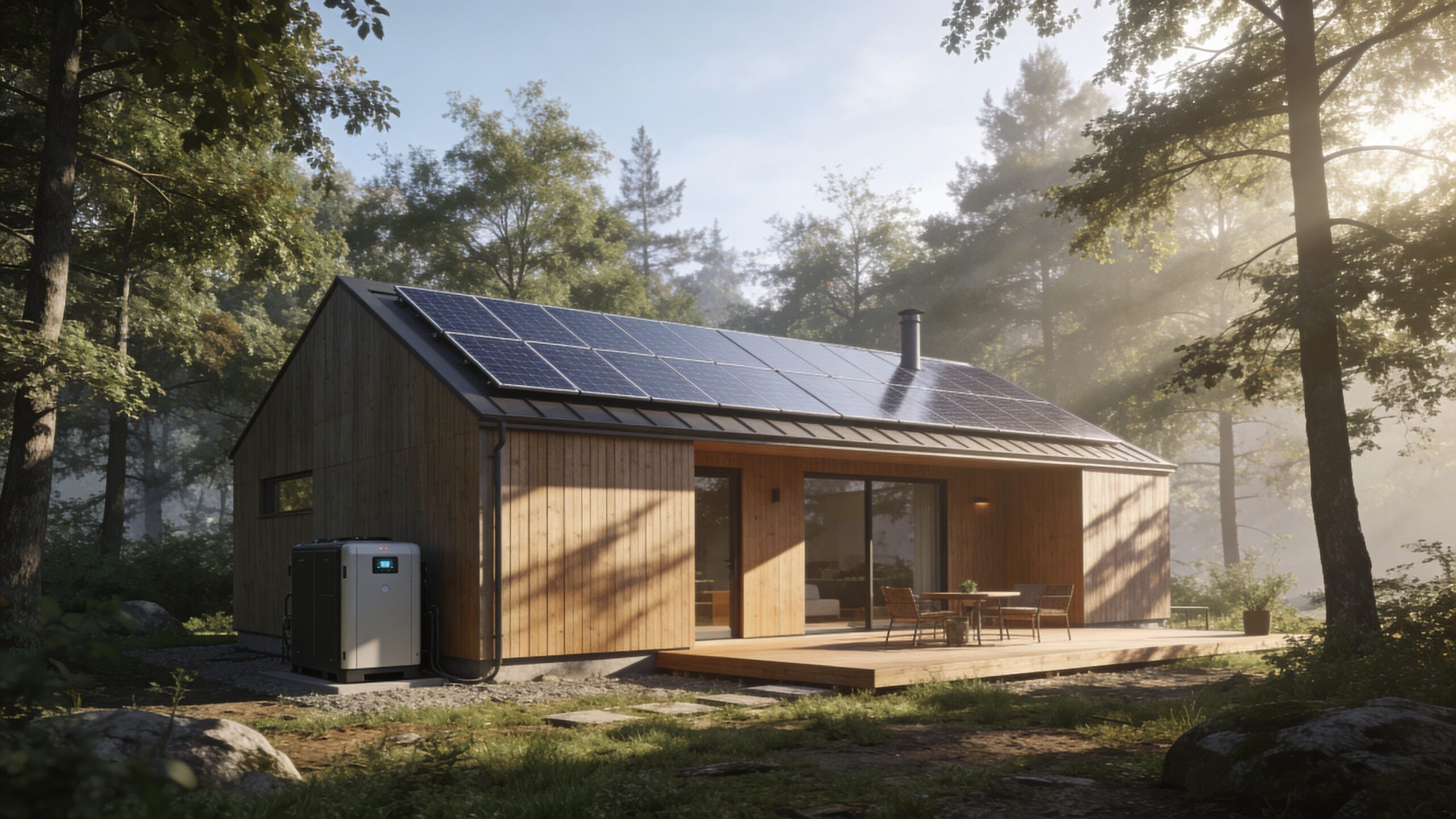
Battery storage is one of the biggest reasons solar living has become so appealing to beginners in 2026. Without storage, solar works best when the sun is shining. With storage, solar becomes a more complete lifestyle solution. Batteries allow homes to save excess energy during the day and use it later at night, during cloudy periods, or during outages. That turns solar from a daytime upgrade into a fuller energy strategy. For many households, batteries provide peace of mind as much as convenience. Backup power during storms, blackouts, or grid instability makes the home feel more secure. Battery systems also deepen the feeling of independence. Instead of relying on outside power the moment sunlight drops, the home continues running on energy it produced earlier. That is a major psychological shift as well as a technical one.
Solar Living and Smarter Homes
The modern solar lifestyle works best when paired with smart home tools. In 2026, beginners can monitor production and usage through simple apps and dashboards that make solar feel accessible rather than complicated. A homeowner can often see how much power the panels are producing, how much the house is consuming, whether the battery is charging, and when usage spikes occur.
This visibility changes how people relate to their homes. They begin to understand energy almost like a living system. They might adjust thermostat settings, delay a heavy appliance cycle, or schedule charging to line up with solar output. None of that needs to feel technical or overwhelming. Smart systems do much of the work. The biggest difference is that the homeowner is now informed, rather than disconnected from what powers daily life.
The Financial Side of the Solar Lifestyle
Money remains one of the biggest reasons people explore solar living, but in 2026 the financial case is broader than simple monthly savings. Solar is increasingly viewed as a long-term stability tool. It can reduce exposure to rising utility prices and make energy costs more predictable over time. For many beginners, that predictability is just as appealing as the direct savings. The solar lifestyle also changes how people think about value. A home that produces its own power, stores backup energy, and supports efficient living is often seen as more future-ready than one that depends fully on outside systems. Financial benefits are not always immediate or identical from one home to another, but the long-term appeal lies in control. Solar is not just about spending less. It is about building a home that is better prepared for the future.
Can You Really Live Off-Grid?
Many beginners are drawn to the romance of off-grid living, but full independence is not the only path to the solar life. Going off-grid means building a system that can meet all energy needs without routine outside support. That can be done, but it requires careful design, significant storage, and realistic expectations about consumption. It is often more practical in some locations than others.
For most homeowners, a grid-connected solar lifestyle offers the best balance of independence and flexibility. It provides meaningful self-generation while keeping a backup connection available when needed. That model still supports energy awareness, resilience, and reduced dependence. In other words, you do not have to disappear into the wilderness to live the solar life. You simply need a home that works more intelligently with the sun.
Solar Living and Electric Transportation
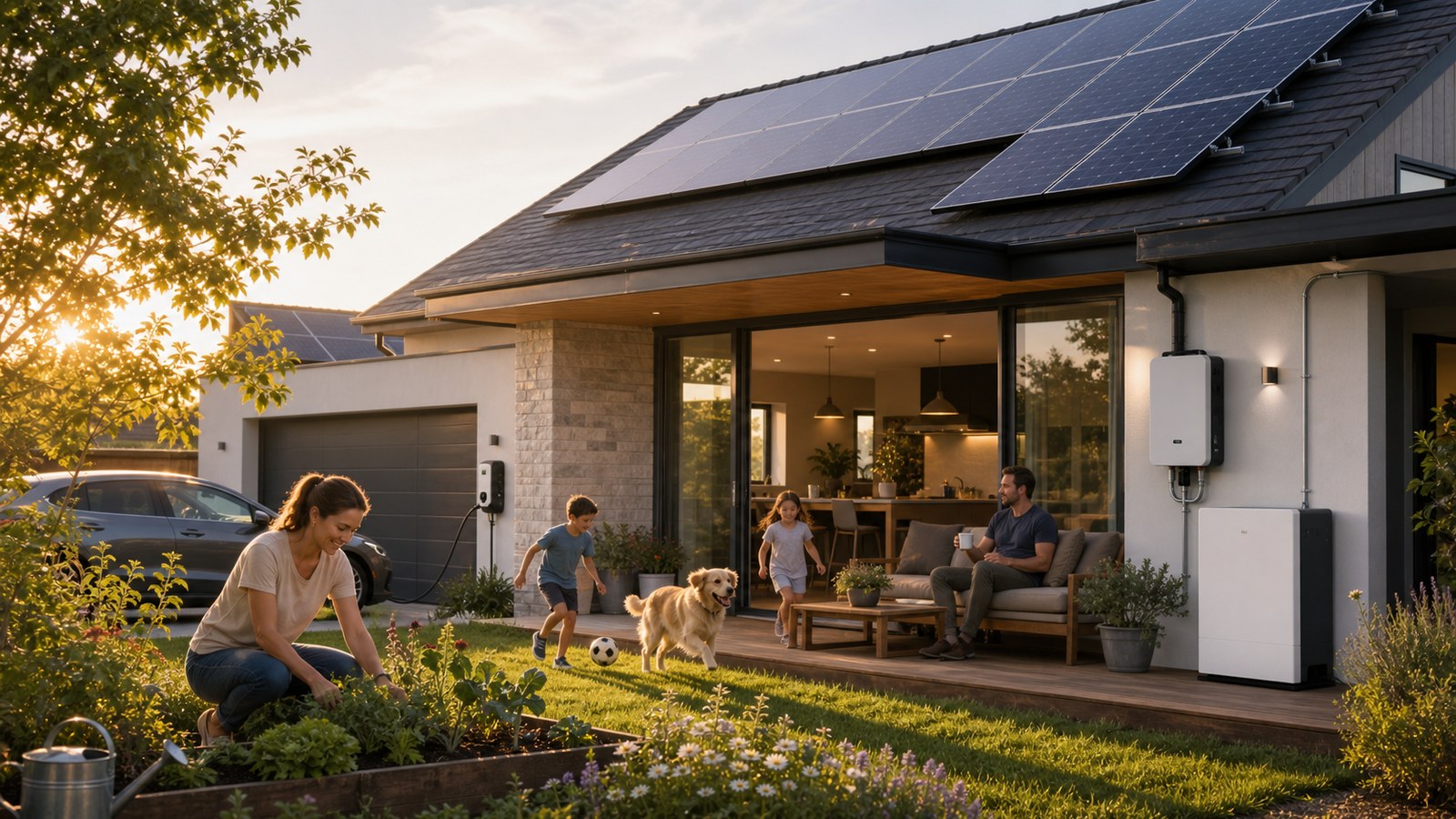
One of the most exciting dimensions of solar living in 2026 is the connection between homes and electric vehicles. When a household can charge a vehicle using solar-generated electricity, the meaning of energy independence expands beyond the walls of the home. Transportation becomes part of the same system. The car is no longer fueled by an external gas station model. It becomes part of the home’s energy loop. For beginners, this makes solar living feel even more tangible. Powering lights and appliances is one thing. Powering daily travel with sunlight is something else entirely. It adds a powerful sense of coherence to the lifestyle. The home, the battery, and the vehicle all work together in a cleaner and more integrated way.
The Emotional Appeal of Living Solar
There is also an emotional side to solar living that new adopters often do not expect. Producing your own energy creates a sense of independence that feels deeply satisfying. Watching sunlight power your home can make energy feel less abstract and more personal. It turns the roof into a working asset and the house into a more active, capable environment.
Many people also feel a stronger connection to seasonal rhythms. Sunny days become opportunities for production. Efficient choices feel more rewarding. The home begins to feel like a system that responds to nature instead of simply resisting it. That emotional shift is one reason the solar lifestyle often becomes part of a person’s identity rather than just another home upgrade.
Common Beginner Mistakes to Avoid
The most common mistake beginners make is focusing only on hardware while ignoring the bigger picture of energy use. Panels alone do not solve every problem. A strong solar lifestyle starts with understanding the home’s needs, reducing waste, and planning for how energy is used across the day and year. Another mistake is expecting instant perfection. Solar is powerful, but it still depends on design, storage, weather, and good habits. Beginners also sometimes underestimate the value of learning their own consumption patterns. The more you understand how your household uses power, the better your solar system can support real independence. The goal is not to obsess over every watt. It is to become informed enough to make better long-term decisions.
Building Your Solar Lifestyle Step by Step
The good news for beginners is that solar living does not have to happen all at once. Many people start with one step, such as rooftop solar, then gradually add battery storage, smarter appliances, and energy monitoring. Others begin by improving insulation, reducing waste, and preparing the home for future solar integration. Energy independence is often built in layers rather than completed in a single leap.
That gradual approach makes the lifestyle more accessible. It allows homeowners to learn as they go and adapt based on real experience. In 2026, living the solar life is not reserved for experts or extreme minimalists. It is increasingly available to ordinary households that want greater control, resilience, and long-term efficiency.
The Future Belongs to More Independent Homes
As the energy landscape continues to change, the homes that thrive will likely be the ones that are flexible, efficient, and increasingly self-reliant. Solar living fits naturally into that future. It offers beginners a way to participate in a larger shift toward cleaner power while also gaining practical benefits at home. It is both personal and forward-looking. Living the solar life in 2026 is ultimately about learning how to make your home work with energy instead of simply consuming it without thought. It is about building habits, systems, and spaces that support independence one step at a time. For beginners, that journey starts with curiosity. From there, it becomes a smarter way to live.