The New Reality of Solar Pricing in 2026
Residential solar has moved beyond being a niche upgrade for early adopters. In 2026, it sits at the intersection of rising utility bills, smarter home technology, and a growing desire for long-term energy stability. For homeowners, the big question is no longer whether solar works. It is how much it actually costs to install and whether the numbers make sense today. The answer is more layered than a single national average. Solar panel installation costs depend on system size, equipment quality, labor rates, roof complexity, local permitting, and the incentives available where a homeowner lives. Some households will see quotes that feel surprisingly manageable, while others may encounter added costs tied to electrical upgrades, roof work, or battery storage. Understanding the full picture is what turns a confusing quote into a confident decision.
A: No. Nighttime power comes from the grid, a battery, or another energy source.
A: Yes, but production is usually lower than it is under strong direct sunlight.
A: Not always. Many systems are grid-tied without batteries, while backup designs need storage or another backup source.
A: Many panels are designed for decades of service, with gradual output loss over time.
A: Sometimes it can reduce energy charges greatly, but fixed fees, seasonal use, and utility rules still matter.
A: Standard grid-tied systems usually shut down unless approved backup equipment is installed.
A: It should be checked carefully because roof replacement after installation can require panel removal and reinstallation.
A: They can help when space is limited, but cost, warranty, layout, and total production matter too.
A: Owners usually watch monitoring, keep panels reasonably clear, and arrange service when output or equipment looks abnormal.
A: Review energy use, roof condition, shade, utility rules, goals, and realistic budget before comparing systems.
Average Solar Panel Installation Cost in 2026
For most homeowners in 2026, the cost to install solar panels typically lands between $15,000 and $35,000 before incentives. That range covers the majority of grid-tied residential systems installed on single-family homes. Smaller homes with lower energy use may fall below that bracket, while larger properties or premium systems with storage can push well above it.
Another useful way to look at price is cost per watt. In 2026, many residential systems are priced around $2.40 to $3.60 per watt before incentives, depending on market conditions and equipment choices. A 6-kilowatt system at $3.00 per watt would cost around $18,000 before tax credits or rebates. An 8-kilowatt system at the same rate would come in closer to $24,000. This pricing model helps homeowners compare quotes more clearly, even when installers propose different panel counts or brands.
Why Solar Costs Vary So Much
Solar is not a one-size-fits-all home improvement project. Every house has its own energy profile, roof design, electrical setup, and sunlight exposure. That is why two neighbors on the same street can receive very different quotes. A home with a simple asphalt shingle roof, strong southern exposure, and an updated electrical panel is usually easier and cheaper to work on. A house with older wiring, multiple roof planes, shade from mature trees, or a tile roof may require more planning, more labor, and more specialized mounting hardware. Even geography matters. Labor costs, permit fees, and utility requirements differ from one city and state to another, which means installation pricing is partly shaped by the local market.
Breaking Down the Cost of a Residential Solar System
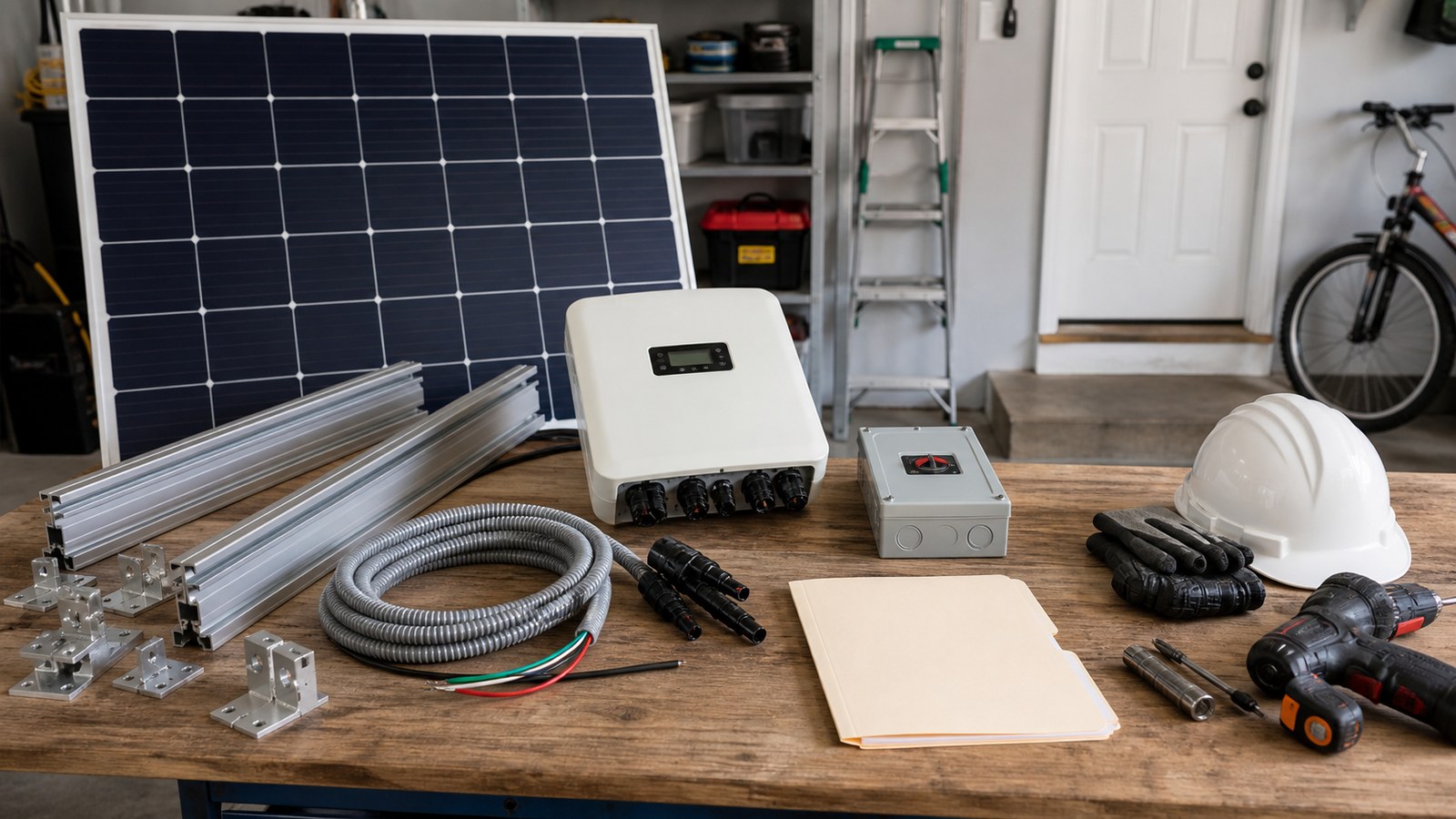
When homeowners first begin shopping for solar, many assume the panels themselves account for most of the cost. In reality, the total price includes much more than the visible hardware on the roof. A residential solar installation is a complete energy project with several cost layers working together. Solar panels are a major portion of the budget, but they are only one part of the system. Inverters convert the electricity into usable household power. Mounting racks secure the panels safely to the roof or ground structure. Wiring, disconnects, monitoring equipment, and safety components all add to the final bill. Then there is the soft cost side of the project, which includes design work, permits, inspections, labor, sales overhead, engineering, and utility interconnection paperwork. The final quote is a blend of hardware and project execution, not simply the price of the panels alone.
Solar Panels: What You Are Paying For
Panel prices vary depending on efficiency, appearance, warranty, and manufacturer reputation. In 2026, many homeowners are choosing between standard monocrystalline panels and premium high-efficiency models. Standard panels often deliver strong value and solid performance, especially for homes with enough roof space. Premium panels cost more, but they can produce more electricity in a smaller footprint, which matters on roofs with limited usable area. There is also a visual component. Some homeowners prefer all-black panels for a cleaner, lower-profile appearance. These may cost slightly more than more conventional designs, but aesthetic considerations often matter when solar becomes a visible part of the home. Better warranties and stronger long-term degradation rates can also raise upfront pricing while potentially improving lifetime value.
Inverters, Mounting Hardware, and the Rest of the System
The inverter is one of the most important parts of any solar installation, and its type affects both cost and system behavior. String inverters are often the most affordable option and work well on simple roofs with minimal shade. Microinverters usually cost more, but they can improve performance on roofs with multiple angles or intermittent shading because each panel operates more independently.
Mounting hardware is another overlooked but essential cost. Installers must match the racking system to the roof type, structural needs, and local weather conditions. Homes in snowy or windy regions may require more robust mounting strategies. The rest of the system includes conduit, wiring, disconnects, monitoring tools, and the labor required to integrate everything safely into the home’s electrical system. These details may be less glamorous than the panels themselves, but they are vital to performance and safety.
Labor Costs in 2026
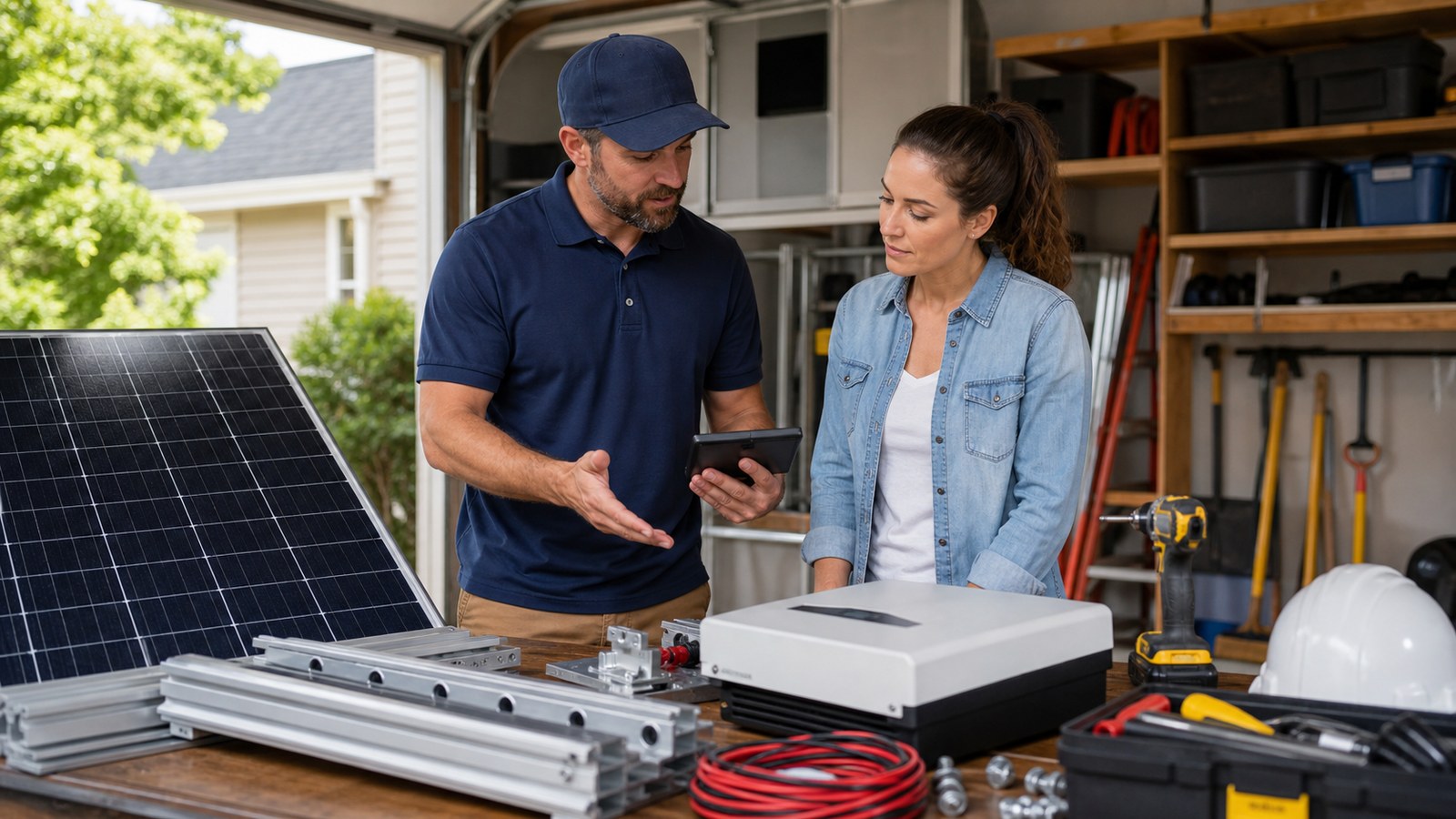
Labor remains one of the biggest factors in total solar installation pricing. In 2026, homeowners are paying not only for physical installation day labor, but also for design coordination, permitting, inspections, logistics, and project management. A skilled solar crew does more than attach panels. They assess structure, route wiring cleanly, coordinate with electricians, and make sure the entire system meets code and utility standards. Labor rates tend to be higher in urban markets and regions with higher general construction costs. Homes with complex roof layouts or challenging access can also increase installation time and crew requirements. While some homeowners focus heavily on the cheapest quote, labor quality often has a long shadow. A poorly executed installation can lead to leaks, electrical issues, performance loss, or costly corrections later. Paying for a capable installer is often part of paying for peace of mind.
Permit Fees, Inspections, and Administrative Costs
One of the least exciting but most real parts of solar pricing is the administrative side. Every installation needs permits, inspections, and utility approvals, and those steps are not always cheap. Local governments may charge permit fees, plan review fees, or inspection fees. Utilities may require documentation, interconnection applications, and approval processes that add time and administrative workload.
These costs vary by location, which is why homeowners in different states or even neighboring counties may see different quote structures. Some installers roll these costs into a single all-in price, while others itemize them clearly. Either way, they are part of the project. A professional quote should account for them rather than leaving them as vague possible extras.
Roof Condition and Installation Complexity
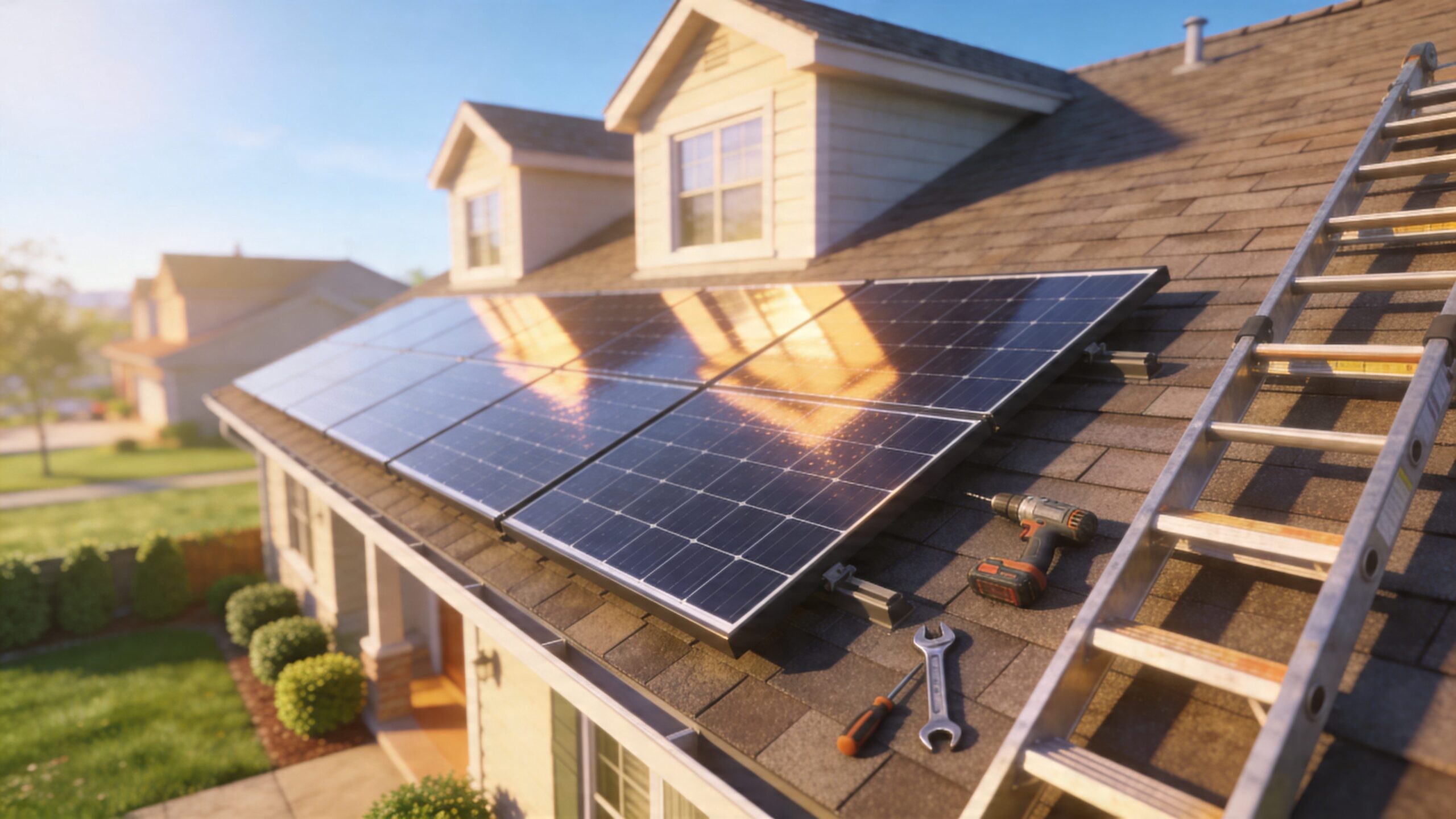
The roof itself can have a major impact on the cost of solar panels. A newer asphalt shingle roof is often the easiest and least expensive surface for installers to work with. Steep roofs, older roofs, metal roofs, tile roofs, and roofs with limited open space can all raise costs because they require more care, more specialized hardware, or additional labor time. Roof age is especially important. If a roof is already near the end of its life, homeowners may be better off replacing it before solar is installed. Removing and reinstalling panels later for a reroof adds cost and hassle. Installers often inspect the roof as part of the quoting process for this reason. Solar and roofing decisions can be deeply connected, and homeowners who think ahead often avoid expensive future disruptions.
Electrical Panel Upgrades and Hidden Costs
Not every home is immediately ready for solar. Older properties may need electrical panel upgrades, service changes, or code-related improvements before a new solar system can be connected safely. These upgrades can add meaningful cost to the project, sometimes turning an attractive quote into a larger investment than expected. There can be other hidden costs too. Tree trimming may be needed to reduce shade. Trenching may be required for detached garages or ground-mounted systems. Some homeowners decide to upgrade their monitoring, add critter guards, or include battery-ready electrical work for future expansion. None of these extras are inherently bad. In fact, many are smart improvements. But they do change the total price, which is why homeowners should review proposals closely and ask what is and is not included.
What Solar Costs After Incentives
Incentives remain one of the biggest reasons solar feels more attainable than many homeowners expect. Federal tax credits can significantly reduce net cost, and in some areas local incentives or utility rebates improve the economics even more. A system quoted at $24,000 before incentives may feel completely different once the homeowner calculates the available credits and effective after-incentive price. That said, incentives do not always reduce the upfront invoice in the same way. Tax credits typically work through tax liability rather than as an instant discount at the time of installation. Homeowners should understand the timing and structure of the incentives they plan to use. The difference between gross cost and net cost is important, but so is cash flow. A project may be affordable on paper while still requiring thoughtful financial planning in practice.
The Cost of Adding Battery Storage
Battery storage has become one of the biggest wild cards in solar pricing. A standard grid-tied solar system without batteries is usually far more affordable than a solar-plus-storage setup. Once a battery is added, the total cost can rise sharply depending on capacity, brand, backup goals, and installation complexity. Many homeowners choose batteries for resilience rather than pure savings. In areas with frequent outages, utility instability, or time-of-use billing, storage may offer strategic value beyond simple payback. In 2026, adding battery backup can raise total project cost by many thousands of dollars, but for some households it transforms solar from a bill-reduction tool into a more complete home energy system. The right choice depends on priorities. Some want maximum return on investment. Others want energy security and backup power during blackouts.
Cash Purchase, Loans, and Monthly Payment Models
How a homeowner pays for solar changes the way the project feels financially. A cash purchase usually delivers the strongest long-term savings because there are no financing charges eroding returns. The downside is the larger upfront commitment. For homeowners who can handle that cost, cash often provides the cleanest economics. Loans make solar more accessible by spreading the cost over time. In many cases, homeowners compare the new monthly solar payment with their old utility bill and focus on the long-term savings potential. Leases and power purchase agreements reduce upfront barriers even more, but they usually offer less ownership upside. The best payment method depends on the homeowner’s budget, tax situation, and long-term plans for the property. Solar is as much a financing decision as it is an energy decision.
What Homeowners Actually Pay by System Size
System size is one of the easiest ways to estimate likely cost. A smaller 4-kilowatt system might cost around $10,000 to $16,000 before incentives. A 6-kilowatt system often falls in the $15,000 to $24,000 range. A larger 8-kilowatt to 10-kilowatt system may range from roughly $20,000 to $36,000 or more depending on equipment and complexity.
These numbers are broad, but they help frame expectations. Homes with lower electricity use may only need a modest system to offset a meaningful share of annual consumption. Larger households with electric heating, pool equipment, or electric vehicles often need bigger systems, which naturally raises the installation price. The most accurate system size is based on real utility usage, not guesswork, which is why past electric bills matter so much during the quoting process.
Is Solar More Expensive in 2026 Than Expected
Some homeowners begin shopping for solar with the assumption that panel prices have fallen so much that the entire project should now be cheap. Equipment has become more efficient and, in many cases, more competitively priced over time. But total project costs still reflect labor, compliance, business overhead, and the complexity of modern installations. In that sense, solar in 2026 is not necessarily cheap, but it is often more strategic. Homeowners are paying for a more mature industry, more capable technology, and more integrated systems than in earlier years. Better monitoring, safer electrical components, stronger warranties, and advanced storage options all contribute to a more complete home energy package. The price may be substantial, but the value proposition is often stronger and clearer than it used to be.
Estimating Return on Investment
The real question behind solar pricing is not just what it costs, but what it saves over time. The return on investment depends on electricity rates, solar production, incentive structure, financing terms, and how long the homeowner stays in the house. In many markets, rising utility rates make solar look increasingly attractive over a 10- to 25-year horizon.
A homeowner who spends heavily on electricity each month may recover the value of the system much faster than someone with low usage and low utility rates. Payback periods vary, but for many households the long-term equation remains compelling. After the system pays for itself, the continuing production becomes a powerful financial advantage. Solar is rarely about instant savings alone. It is often about locking in a more predictable energy future.
Final Thoughts on Solar Installation Costs in 2026
So how much does it cost to install solar panels in 2026? For most homeowners, the honest answer is that a professionally installed residential system will likely cost somewhere between the mid-five figures and the low-to-mid tens of thousands before incentives, depending on size and complexity. After incentives, the net cost can look far more manageable, especially for households with strong solar exposure and meaningful electric bills. The smartest way to evaluate solar is to move beyond the headline number and study the full breakdown. Equipment quality, labor skill, roof condition, permitting, electrical readiness, and financing structure all shape what homeowners really pay. Solar is a major investment, but it is also one of the clearest ways to turn a home into a long-term energy asset. In 2026, the price of solar is not just the cost of panels on a roof. It is the cost of building a cleaner, steadier, and more independent energy future at home.